
Commercial Roofers in Flowing Wells, AZ
Commercial roofing in Flowing Wells, AZ should begin with a documented assessment of membrane condition, seams, flashings, drainage, penetrations, and moisture before repair, coating, or replacement is selected. Commercial roof inspections, replacements, and maintenance for Flowing Wells commercial buildings along the N Oracle Road and N Stone Avenue corridors in northwest Tucson - retail, auto service, light industrial, and neighborhood commercial.
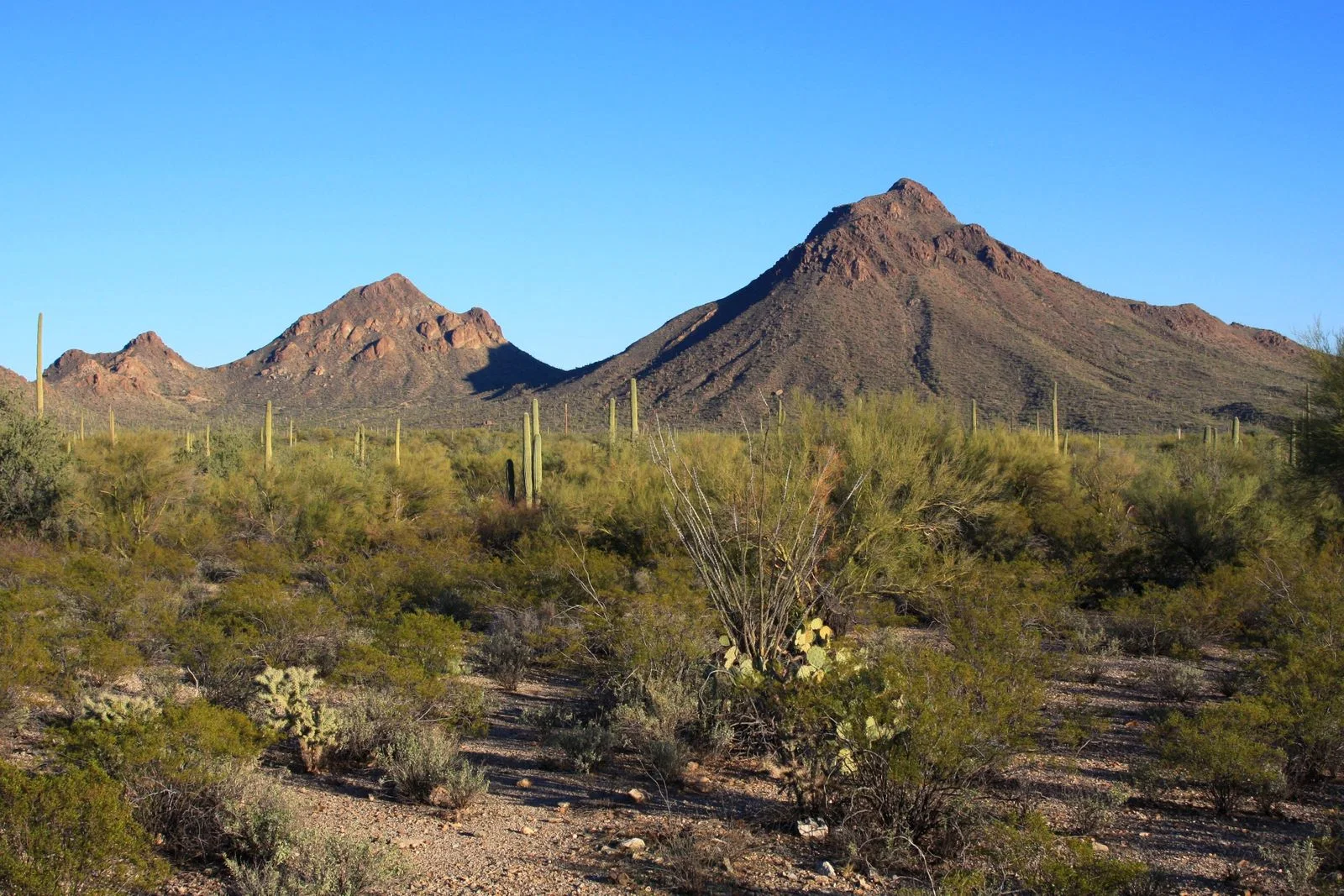
Flowing Wells is an unincorporated Pima County community directly northwest of Tucson city limits, roughly bounded by the Santa Cruz River to the west and Oracle Road to the east. The Flowing Wells commercial corridor is organized along North Oracle Road from Prince Road north to Ruthrauff Road, and along North Stone Avenue through the neighborhood commercial core. This is an established, dense residential and commercial area with building stock that ranges from the 1950s through the 2000s - older than most of north Tucson's suburban buildout, more heterogeneous in construction type, and with a higher proportion of deferred-maintenance buildings than the newer commercial corridors in Marana or Oro Valley.
The Flowing Wells Irrigation District is one of the oldest agricultural water districts in Pima County - the community's name reflects its history as an agricultural area before the Tucson metro expanded to absorb it. That history means some of the commercial buildings in Flowing Wells occupy parcels that were converted from agricultural to commercial use without significant site regrading, and some of the lower-lying commercial areas along the Santa Cruz River floodplain margin have site drainage challenges that affect how roof drainage must be designed. We assess site drainage conditions at commercial buildings in Flowing Wells where the perimeter grade or the distance from the river floodplain suggest potential for grade-level flooding affecting scupper and drain outlet performance.
Flowing Wells Commercial Inventory
N Oracle Road corridor (Prince Road to Ruthrauff Road): The primary commercial artery of Flowing Wells, with big-box retail at the major intersections, grocery-anchored centers, auto service facilities, fast food, and neighborhood retail. Building vintage on Oracle Road in Flowing Wells ranges from the 1970s through the 2000s. The 1970s and 1980s commercial stock carries built-up and modified bitumen roofing systems - many in active or overdue replacement cycles. The 2000s additions carry TPO systems approaching their first major maintenance milestone.
Ruthrauff Road light industrial and auto commercial: A concentration of auto dealers, auto body, light manufacturing, and warehouse buildings along the Ruthrauff Road corridor between Oracle Road and the Santa Cruz River. Metal building construction is common here - metal deck, metal framing, and metal panel walls. Metal building roofing on Flowing Wells commercial buildings from the 1980s and 1990s often shows ridge seam failure, fastener back-out from thermal cycling, and degraded sealant at curbs and penetrations.
Santa Cruz River adjacent parcels: Commercial and light industrial buildings along the western edge of the Flowing Wells commercial area, adjacent to the Santa Cruz River floodplain. These buildings have specific drainage considerations - FEMA floodplain mapping affects construction elevations and drainage design, and scupper and overflow drain outlets that discharge to grade in the floodplain margin must be positioned and maintained to function during active floodplain conditions.
Older Building Stock and System Assessment in Flowing Wells
Flowing Wells has a higher concentration of pre-1990 commercial buildings than most of the northwest Tucson commercial market. These buildings - masonry block, wood frame over wood deck, and early metal building construction - carry roofing systems that predate modern single-ply membranes. Built-up roofing from the 1960s through the early 1980s and APP-modified bitumen from the 1980s and 1990s are the predominant system types in the older Flowing Wells commercial stock.
Assessment of pre-1990 commercial roofing requires a different toolkit than modern single-ply inspection. On BUR systems, inter-ply saturation does not respond to infrared scanning in the same way as wet polyiso - the thermal signature is less distinct because the BUR assembly has higher thermal mass and less differential between wet and dry areas than polyiso insulation. Physical core pulls in a grid pattern are the primary assessment method. We pull a minimum of five cores on any BUR system - drain area, mid-field, parapet corners, and any area with visible surface deterioration - before writing a scope.
Metal roofing on Flowing Wells commercial buildings from the 1980s and 1990s presents a specific assessment question: standing-seam metal systems in this era were sometimes installed without adequate underlayment, and the seam configuration and clip fastening systems differ significantly from modern metal roofing. Before recommending recover or coating on a metal roof in this vintage range, we assess seam integrity, clip condition, and deck corrosion under any areas where water intrusion has been documented.
Pima County Jurisdiction and Permit Process
Flowing Wells is unincorporated Pima County - permits for commercial roofing work come from Pima County Development Services. For older Flowing Wells commercial buildings where permit history is incomplete, we conduct a pre-permit condition assessment documenting existing assembly layers, deck type, and curb heights before submitting permit drawings. This upfront documentation prevents inspection holds on older buildings where as-built conditions differ from permit records.
IECC 2018 Climate Zone 2B requirements apply in Flowing Wells as across Pima County. For pre-1990 commercial buildings without continuous insulation, the permit package must include an energy analysis documenting the compliance path for adding insulation to approach current code performance. We prepare this analysis as part of the permit package on older Flowing Wells commercial buildings undergoing full replacement.
Buildings adjacent to the Santa Cruz River floodplain may be subject to Pima County floodplain management requirements - specifically, improvements to buildings within the FEMA-designated Special Flood Hazard Area may trigger substantial improvement provisions that require broader compliance beyond the roofing permit alone. We identify floodplain status at the pre-construction assessment phase and flag any substantial improvement considerations for the owner's review before permit submittal.
Frequently asked questions
Do you cover Flowing Wells on a regular route?
Yes. Flowing Wells is directly northwest of our Tucson coverage area - Oracle Road and Stone Avenue are on our regular northwest route. Emergency dry-in response for Flowing Wells commercial buildings is typically two to three hours from call.
Can you assess a 1970s or 1980s built-up roof in Flowing Wells?
Yes. Pre-1990 BUR systems require physical core assessment - we pull a minimum of five cores in a grid pattern to document saturation profile and layer count before writing any scope. The core data tells us whether recover or full tear-off is the correct call, and we provide the documentation in writing before any contract is signed.
What about metal building roofs in the Ruthrauff Road industrial area?
Metal building roofing from the 1980s and 1990s requires seam integrity assessment, clip condition evaluation, and deck corrosion documentation before we recommend any scope. Standing-seam and structural panel systems from this era have specific failure modes - ridge seam separation, fastener back-out, and sealant failure at penetrations - that we document photographically and report before writing a recommendation.
What permits are required for Flowing Wells roofing work?
Pima County Development Services issues all commercial permits in Flowing Wells. For older buildings with incomplete permit records, we conduct a pre-permit condition assessment to document existing conditions before submittal. Buildings near the Santa Cruz River may be subject to floodplain substantial improvement provisions - we identify this at the pre-construction phase and advise before permit submittal.
Need a Flowing Wells commercial roof inspection or scope?
Our project managers cover the Oracle Road and Stone Avenue corridors on regular northwest-Tucson routes. We will walk your roof, pull cores on older systems, and produce a written condition report for capital planning or replacement scoping.
Ready to talk through a roof?
Tell us about the building and the roof problem. We'll document it and put a plan in writing - with an honest repair-vs-replace recommendation and no upsell pressure.
Documented, repair-first commercial & industrial roofing across Tucson and Pima County. Flat and low-slope systems for occupied buildings, planned around your operation.
Services
© 2026 Commercial Roofing Contractors Tucson. All Rights Reserved. Privacy Policy · Terms of UseSite Map