
Commercial Roofers in Vail, AZ
Commercial roofers serving Vail, AZ should document leak sources, wet insulation, drainage, edge details, penetrations, and repair history before recommending a scope. Commercial roof inspections, replacements, and maintenance for Vail's Rita Ranch commercial corridor, Vail School District facilities, and the growing southeast Tucson commercial buildout along Houghton Road and Colossal Cave Road.
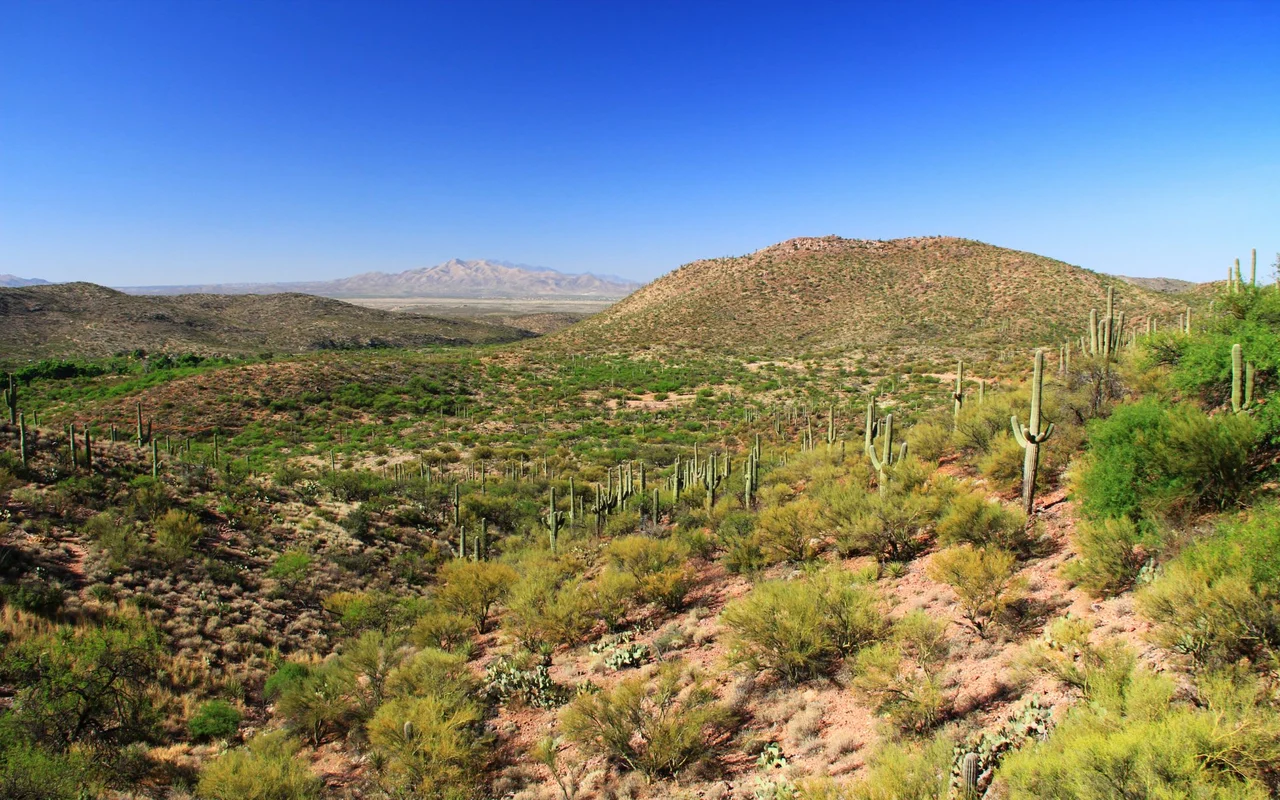
Vail's commercial footprint is expanding rapidly behind one of the fastest-growing school districts in Arizona - Rita Ranch's residential growth has driven a wave of retail, medical-office, and service commercial construction along Houghton Road and the Colossal Cave Road corridor.
Vail is an unincorporated community in the southeast Tucson metro, in the Rincon Valley between the Rincon Mountains and the Santa Rita Mountains. It does not have a distinct downtown in the traditional sense - commercial activity is centered on the major road intersections that serve the Rita Ranch, Civano, and surrounding residential subdivisions that have made Vail one of the fastest-growing areas in Pima County. The Vail Unified School District is the largest institutional employer and property owner in the area, with multiple campuses serving the rapidly growing population.
The commercial building stock in Vail is among the newest in the Tucson metro. Most retail and professional buildings along Houghton Road and Old Vail Road were constructed between 2005 and the present - the majority of roofing systems are 5 to 18 years old, well within their first service life. The practical roofing need in Vail right now is documented warranty maintenance rather than replacement - buildings in this age cohort need annual seam inspection, drain service, and manufacturer warranty documentation to stay within their coverage terms. The replacement wave will come, but it is 7 to 12 years out for most of the corridor's 2010s construction.
Vail Commercial Inventory by Corridor
Houghton Road commercial corridor (Vail Road to Interstate 10): The primary commercial artery of the southeast Tucson metro, with grocery-anchored retail centers, medical-office buildings, restaurant pads, and service commercial constructed primarily 2008 through 2022. Buildings in this corridor are on first-generation TPO and PVC systems, most with 20-year manufacturer warranties that require annual maintenance documentation to stay active. The El Con corridor and the Houghton Road Marketplace anchor the retail concentration in this area.
Vail Unified School District campuses: The Vail School District operates multiple campuses serving the growing Rita Ranch and surrounding residential areas. School buildings constructed in the 2000s and 2010s are in the 15 to 25 year range on their roofing systems - the earlier campuses are entering replacement cycles, while the more recent construction is in maintenance mode. School district roofing work requires Arizona Department of Education coordination for federal funding compliance on certain building categories and summer-window scheduling to avoid interference with the academic calendar.
Rita Ranch neighborhood commercial nodes: Smaller retail centers and professional buildings within the Rita Ranch residential community, constructed primarily 2005 through 2018. These buildings are compact footprint - typically 3,000 to 15,000 square feet - but numerous, and many are at the age where first maintenance-cycle documentation is overdue.
Old Vail Road and Colossal Cave Road industrial and storage: Light industrial, self-storage, and agricultural-supply buildings along the older rural road network. Building vintage is more variable here - some pre-date the Vail residential buildout and may carry aged modified bitumen or even BUR systems. Pre-assessment core pulls are standard before any replacement scope is written on these older buildings.
Rincon Mountain Orographic Effects on Vail Roofing
The Rincon Mountains rise to over 8,600 feet directly east and northeast of Vail. During monsoon season, convective cells that develop over the Rincons produce some of the most intense localized rainfall in Pima County. The National Weather Service Tucson area records consistently show higher monsoon storm totals in the Rincon Valley than in downtown Tucson or the western metro - the orographic uplift from the Rincons concentrates rainfall on the eastern suburban communities. Commercial buildings in Vail need roof drain systems that are sized and maintained for these peak-flow events.
Vail's position in the Rincon Valley also means it receives more topographic wind channeling than open-terrain Tucson sites. The gap between the Rincon and Santa Rita mountain ranges channels prevailing south and southwest winds across the Vail commercial corridor - this affects wind-uplift pattern design for buildings in exposed positions along Houghton Road and the Old Vail Road agricultural corridor. We verify ASCE 7 terrain exposure classification on every Vail project before finalizing fastener pattern design.
Nighttime temperature drops in the Rincon Valley are more pronounced than in the urban heat island of central Tucson. The valley's elevation of approximately 3,000 feet and its separation from the downtown urban mass mean that daily temperature swings of 40 to 50 degrees are common in spring and fall - this thermal cycling stresses seam bonds and parapet flashing systems more aggressively than the same membrane specification would experience in central Tucson. Annual seam probe inspection is particularly important for Vail buildings with mechanically attached systems.
Pima County Permits for Vail Commercial Projects
Vail is unincorporated - all commercial building permits for roofing work are issued through Pima County Development Services rather than a municipal building department. County permit timelines for commercial roof replacement are typically 7 to 12 business days. IECC 2018 energy compliance documentation, including reflectivity and R-value calculations, is required at submittal. We prepare the permit package and manage the Pima County submittal process as part of every Vail project.
For school district facilities, procurement compliance requirements apply to the permit and contract process. Vail Unified School District projects that use state or federal funding are subject to Arizona Department of Education oversight and may require competitive bidding documentation beyond the standard commercial permit package. We have experience with the additional documentation requirements for school district roofing projects in unincorporated Pima County.
Agricultural and rural commercial parcels along Colossal Cave Road and the Old Vail Road area may have different zoning and land-use classifications that affect what permit category applies to roof replacement work. We identify the applicable zoning classification and permit type at the pre-construction phase of every project in Vail's rural commercial areas.
Frequently asked questions
How do you reach Vail from your Tucson office?
Vail is or Old Spanish Trail. The southeast corridor is on our regular route. Emergency dry-in response for Vail commercial buildings is same-day for calls received before noon.
Do you work on Vail School District buildings?
Yes. School district buildings require summer-window scheduling, procurement compliance documentation, and coordination with district facilities staff. For buildings using state or federal funding, we provide the additional documentation required for Arizona Department of Education compliance. Most Vail district campuses from the early-to-mid 2000s are entering or approaching their first major reroof cycle.
What is the biggest roofing risk for Vail commercial buildings right now?
For the majority of Vail's 2005 to 2018 commercial construction, the primary risk is lapsed warranty documentation - manufacturer warranties on single-ply systems require annual inspection and maintenance records to stay active, and many buildings in this age cohort have not had those records maintained. When the warranty period ends without documentation, the owner loses coverage on a system that still has years of service life. We run documented maintenance programs for Vail buildings specifically to preserve that coverage.
Does monsoon rainfall in Vail differ from downtown Tucson?
Yes. Vail's position in the Rincon Valley, directly in the orographic shadow of the Rincon Mountains, produces higher monsoon storm totals than most of the Tucson metro. We size and assess roof drain systems for Vail commercial buildings against higher peak-flow events than we would assume for a comparable building in central Tucson.
Need a Vail commercial roof inspection or maintenance plan?
Our project managers cover the Houghton Road corridor and the Rincon Valley commercial area on regular southeast-Tucson routes. We will walk your roof, document manufacturer warranty status, and produce a written report for capital planning or pre-monsoon preparedness.
Ready to talk through a roof?
Tell us about the building and the roof problem. We'll document it and put a plan in writing - with an honest repair-vs-replace recommendation and no upsell pressure.
Documented, repair-first commercial & industrial roofing across Tucson and Pima County. Flat and low-slope systems for occupied buildings, planned around your operation.
Services
© 2026 Commercial Roofing Contractors Tucson. All Rights Reserved. Privacy Policy · Terms of UseSite Map