
Weather watch · Prepare your roof
Prepare for flood watch conditions in Tucson
The National Weather Service has issued a flood watch covering Tucson. Heavy rain and drainage loading can expose roof leaks, blocked drains, and ponding water. This is a weather exposure advisory; it does not establish damage to a specific roof.
Review your leak-response contacts and existing roof concerns. Arrange drainage checks only when safe. Follow official local weather guidance.
National Weather Service · Updated Sep 27, 2026, 4:17 AM UTC
Commercial Roofers in Tucson, AZ
Commercial roofing in Tucson, AZ should begin with a documented assessment of membrane condition, seams, flashings, drainage, penetrations, and moisture before repair, coating, or replacement is selected. Commercial roof inspections, replacements, and maintenance across Tucson - Downtown, University of Arizona, 4th Avenue, Midtown, the Foothills, and Banner Health and TMC hospital campuses.
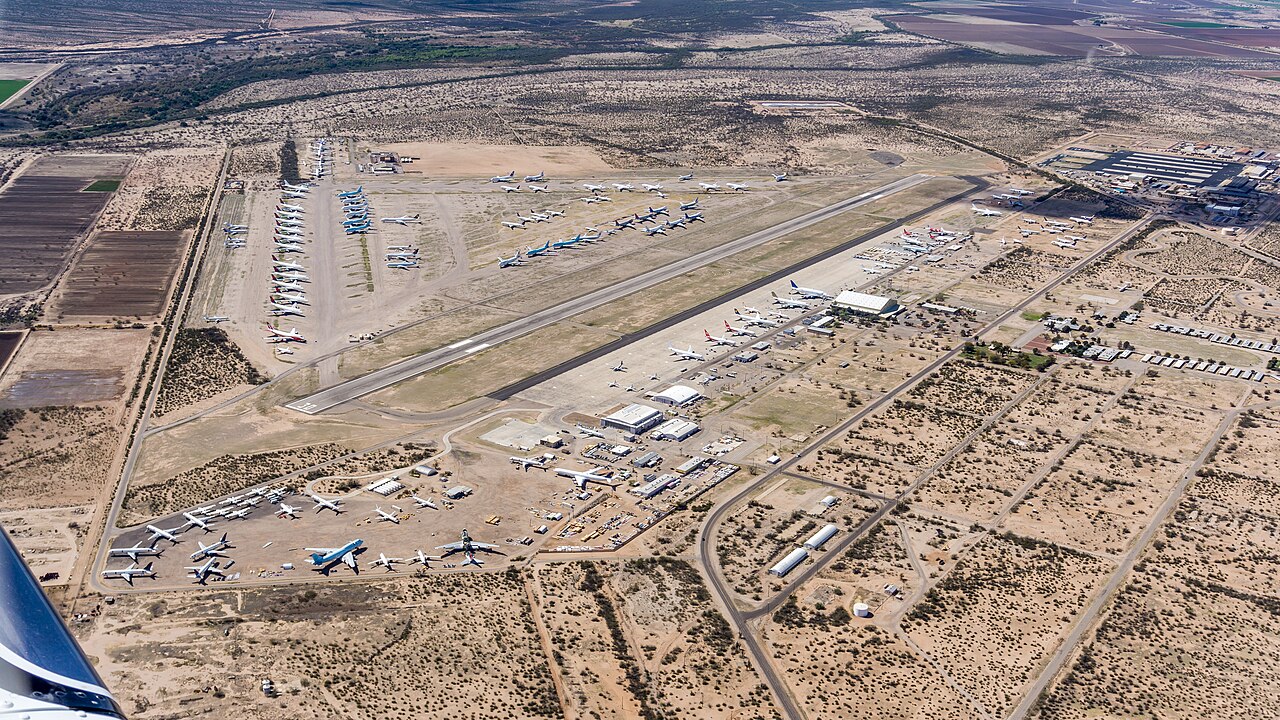
Tucson's commercial roof inventory reflects the industries and institutions that built the city. The University of Arizona main campus along University Boulevard and Park Avenue contains one of the densest concentrations of large-footprint academic and research buildings in the Southwest - many on their first or second major reroof cycle. Banner University Medical Center Tucson on Campbell Avenue, TMC HealthCare on Rincon Boulevard, St. Joseph's Hospital in midtown, and St. Mary's Hospital near Downtown are the anchor healthcare campuses, each with complex rooftop equipment, infection-control requirements, and occupied-floor scheduling constraints. Raytheon Missiles and Defense operates multiple manufacturing and engineering facilities across the Tucson metro, as does Davis-Monthan Air Force Base on the southeast side. Each of these building types requires different scope, sequencing, and documentation.
Tucson's geography adds context that flat production numbers do not capture. The Santa Catalina Mountains to the north create orographic lift that intensifies monsoon rainfall in the Foothills and Catalina Foothills neighborhoods. The Rincon Mountains to the east produce similar effects in the midtown and southeast commercial corridors. Buildings at higher elevation - the Catalina Foothills, Skyline Drive, and the Ventana Canyon corridor - face both higher UV loads from elevation and more intense monsoon rainfall events than lower-elevation downtown buildings. We account for elevation and exposure in every scope we write.
Where We Run Tucson Routes
Downtown Tucson / Tucson Convention Center: Government buildings, Class A and B office towers, the federal courthouse complex, Pima County government facilities, and the Tucson Convention Center arena and convention hall. The convention center roof alone covers more than 200,000 square feet. Most downtown commercial building stock was built 1970 through 2000 and is in active replacement cycles. Parking and crane-access coordination require early engagement with the City of Tucson right-of-way office.
University of Arizona campus and Innovation Park: One of the nation's largest research universities, with academic, research, laboratory, and athletic buildings ranging from 1920s masonry construction to 2020s net-zero research facilities. UA Facilities Management oversees all roof work on campus - we work within their procurement and documentation requirements. UA Tech Park on Rita Road contains technology and defense-sector tenants including Raytheon, Ventana Medical Systems (Roche), and IBM research operations.
Fourth Avenue and Midtown: The mixed-use commercial and arts corridor along 4th Avenue north of Downtown, and the midtown professional and medical-office corridor along Broadway Boulevard, Speedway Boulevard, and Grant Road. Building vintage is mixed - restored 1930s through 1950s commercial blocks alongside 1970s office parks and 2000s medical-office construction. The 4th Avenue area has density and urban constraints that require off-hours scheduling and pedestrian-protection measures.
Banner Health and Hospital Campuses: Banner University Medical Center Tucson (formerly University Medical Center) on Campbell, TMC HealthCare on South Rincon Ave, St. Joseph's Hospital on North Wilmot, St. Mary's Hospital on West St Mary's Road, and Pima Community College's main campus on West Ajo Way. All hospital work requires infection-control coordination, hot-work permits, off-hours scheduling, and tenant-notification for occupied floor adjacency. PCC requires public procurement compliance.
Davis-Monthan AFB and Southeast Tucson: The air base occupies roughly 6,000 acres on the southeast side and employs approximately 6,800 military and civilian personnel. Contractor work on DMAFB requires DD Form 254 security clearance documentation and coordination with base operations. The adjacent industrial corridors along Alvernon Way, Kolb Road, and Irvington Road serve defense, logistics, and manufacturing tenants with large-footprint warehouse and manufacturing buildings on standard commercial roofing cycles.
Tucson Climate and Building Conditions
Tucson averages 350 sunny days per year. UV Index 11-plus days are common from April through September, with July producing the highest UV loads. Commercial membrane systems in Tucson oxidize and degrade faster than manufacturer service-life tables predict for moderate climates - annual seam inspection and UV-exposed flashing replacement are not optional maintenance items in this market; they are what keeps a warranted system within its performance envelope.
Monsoon season (July through September) delivers the majority of Tucson's 12 inches of annual rainfall in intense convective events. The window between a clear afternoon sky and an active monsoon cell over the Santa Catalinas can be 20 to 30 minutes. Blocked roof drains are the single most common cause of monsoon-season interior water damage on Tucson commercial buildings - pre-monsoon drain inspection and clearing is a standard item in our annual maintenance program.
Thermal cycling is significant in Tucson despite the dry climate. Daily temperature swings of 30 to 40 degrees are common in spring and fall, and 70-degree swings occur on winter nights following warm afternoons. This cycling stresses seam bonds, drives differential movement at parapet flashings, and causes drain elevation shifts in buildings with flexible deck systems. Our inspection protocol documents drain elevation changes over multiple cycles on buildings we have maintained for several years.
Frequently asked questions
What is your response time for emergency leaks in Downtown Tucson?
Downtown Tucson and midtown calls get crews on-site within four business hours. The inner suburban corridors - Foothills, Marana, Sahuarita, Vail - are same-day. Oro Valley and Green Valley are next-day at the latest. After-hours and monsoon-season emergency response is prioritized for buildings on our maintenance contracts, and we activate a storm-response protocol after documented monsoon events producing over one inch of rainfall at Tucson International Airport.
Do you work on University of Arizona buildings?
Yes. UA Facilities Management oversees all roof work on the main campus and UA Tech Park. We work within UA's procurement requirements, submit documentation to their facilities systems, and coordinate scheduling with their project managers. UA building stock ranges from century-old masonry structures to modern research facilities - we are experienced with both ends of that spectrum.
What is your office address and phone?
. Phone (520) 523-6122. Email [email protected].
Are you licensed in Arizona?
Arizona requires commercial roofing contractors to hold a Registrar of Contractors (ROC) license. We carry active ROC licensure along with general liability, workers' compensation, and umbrella coverage at limits appropriate for the commercial projects we take on. Certificates of insurance are provided on request. We pull City of Tucson or Pima County building permits for all replacement work and for repair work above the permit threshold.
Need a Tucson commercial roof inspection or scope?
Our project managers run regular inspection routes across Pima County. We will walk your roof, document the condition, and produce a written report - for capital planning, warranty support, pre-monsoon preparedness, or post-storm documentation.
Ready to talk through a roof?
Tell us about the building and the roof problem. We'll document it and put a plan in writing - with an honest repair-vs-replace recommendation and no upsell pressure.
Documented, repair-first commercial & industrial roofing across Tucson and Pima County. Flat and low-slope systems for occupied buildings, planned around your operation.
Services
© 2026 Commercial Roofing Contractors Tucson. All Rights Reserved. Privacy Policy · Terms of UseSite Map