
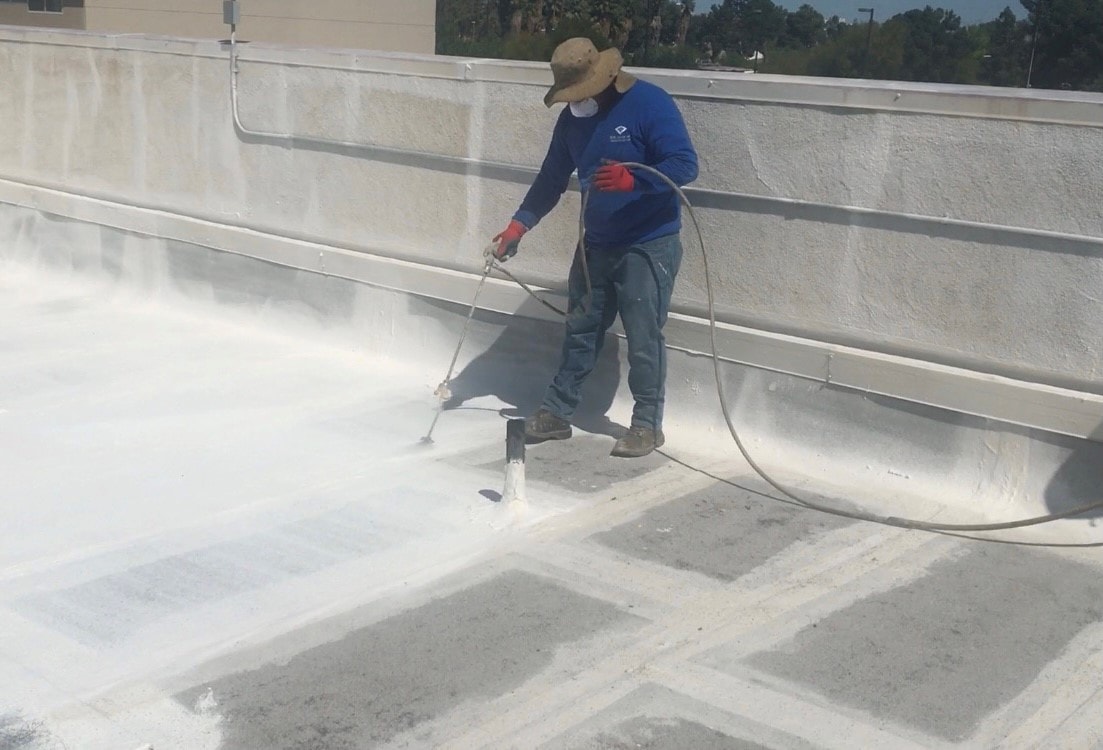
Collect the details that shape safe dispatch
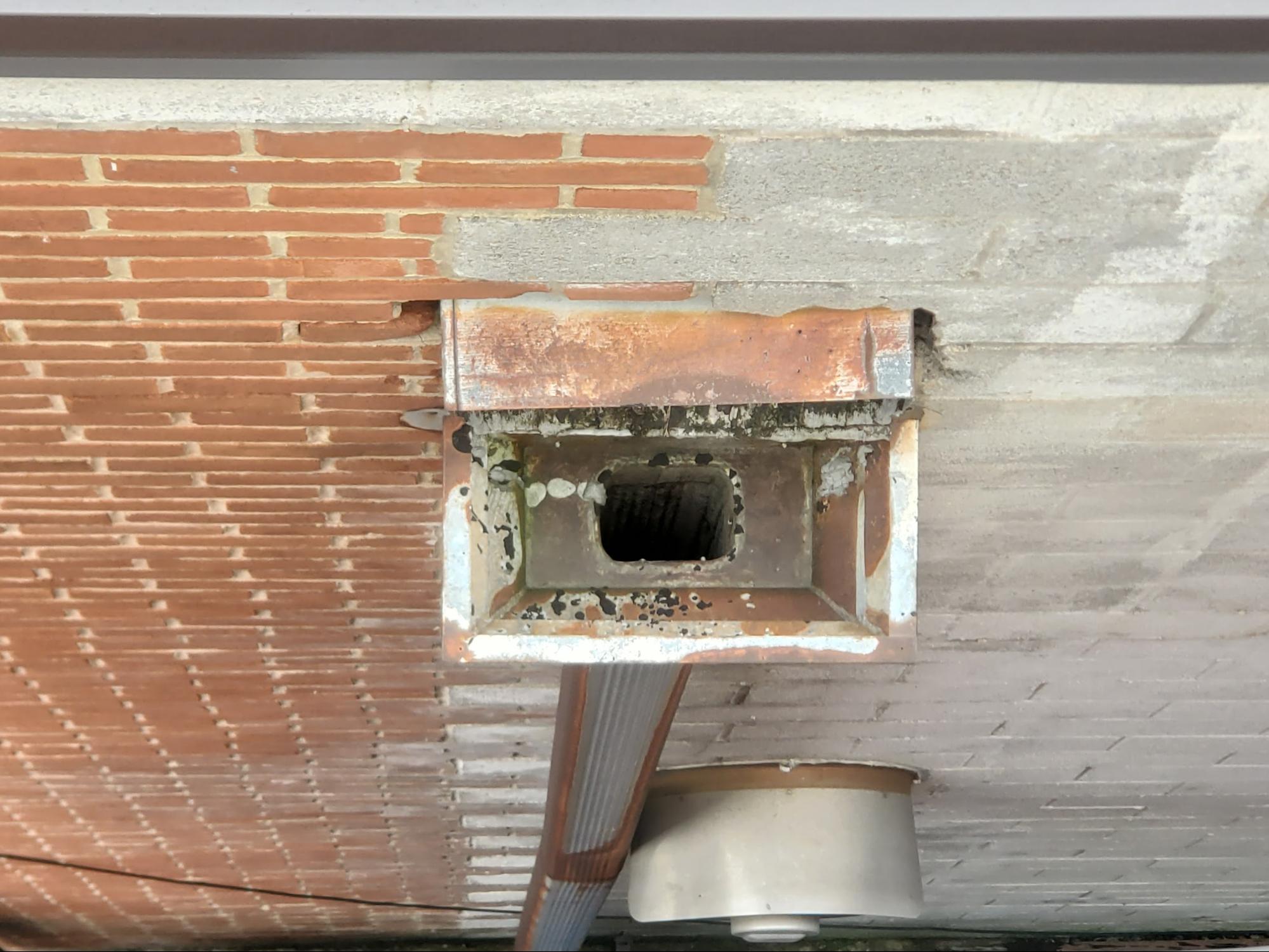
The first conversation about one building or a portfolio where roof ages, leak history, repair spending, condition, warranties, maintenance, and replacement timing need to live in one decision record should establish the Tucson property address, contact on site, roof-access method, affected interior area, when water was first observed, whether entry is active, and any immediate safety concern. Interior photographs can preserve stain limits and active-drip locations before ceiling materials are moved. Roof photographs from facility staff may help with orientation, but they do not replace safe field verification or authorize untrained personnel to enter the roof. The response plan should match the reported condition without promising a cause, permanent repair, or arrival time that has not been verified. Dispatch clarity is valuable precisely because it avoids unsupported assumptions.
Define scope and pricing boundaries
A proposal should distinguish verified quantities from allowances and investigation from construction. Roof area, repair limits, test cuts, wet-material removal, deck repair, drain work, equipment coordination, and interior protection can carry different pricing certainty. Alternates are useful when they compare real decisions, such as repair versus restoration preparation or recover versus tear-off. They are less useful when major necessary work is moved out of the base price simply to make one proposal appear lower. Closeout requirements should be priced as part of the work: final photographs, repair locations, warranty or material records, open punch items, and the next recommended inspection. Those documents keep the completed scope connected to the roof plan.
Why local exposure changes the field plan
Tucson, AZ roofs work through intense ultraviolet exposure, large surface-temperature swings, windblown debris, and concentrated monsoon rainfall. That exposure guides the field sequence, but it does not by itself explain one building or a portfolio where roof ages, leak history, repair spending, condition, warranties, maintenance, and replacement timing need to live in one decision record. The review should connect the time and location of water entry with roof zones, elevations, drainage paths, and construction transitions. That map helps distinguish one isolated defect from several conditions activated by the same rainfall. A useful report does not hide uncertainty. It names the unverified areas, explains why they were inaccessible, and states which follow-up observation or test would resolve the question.
Document the condition before choosing the scope
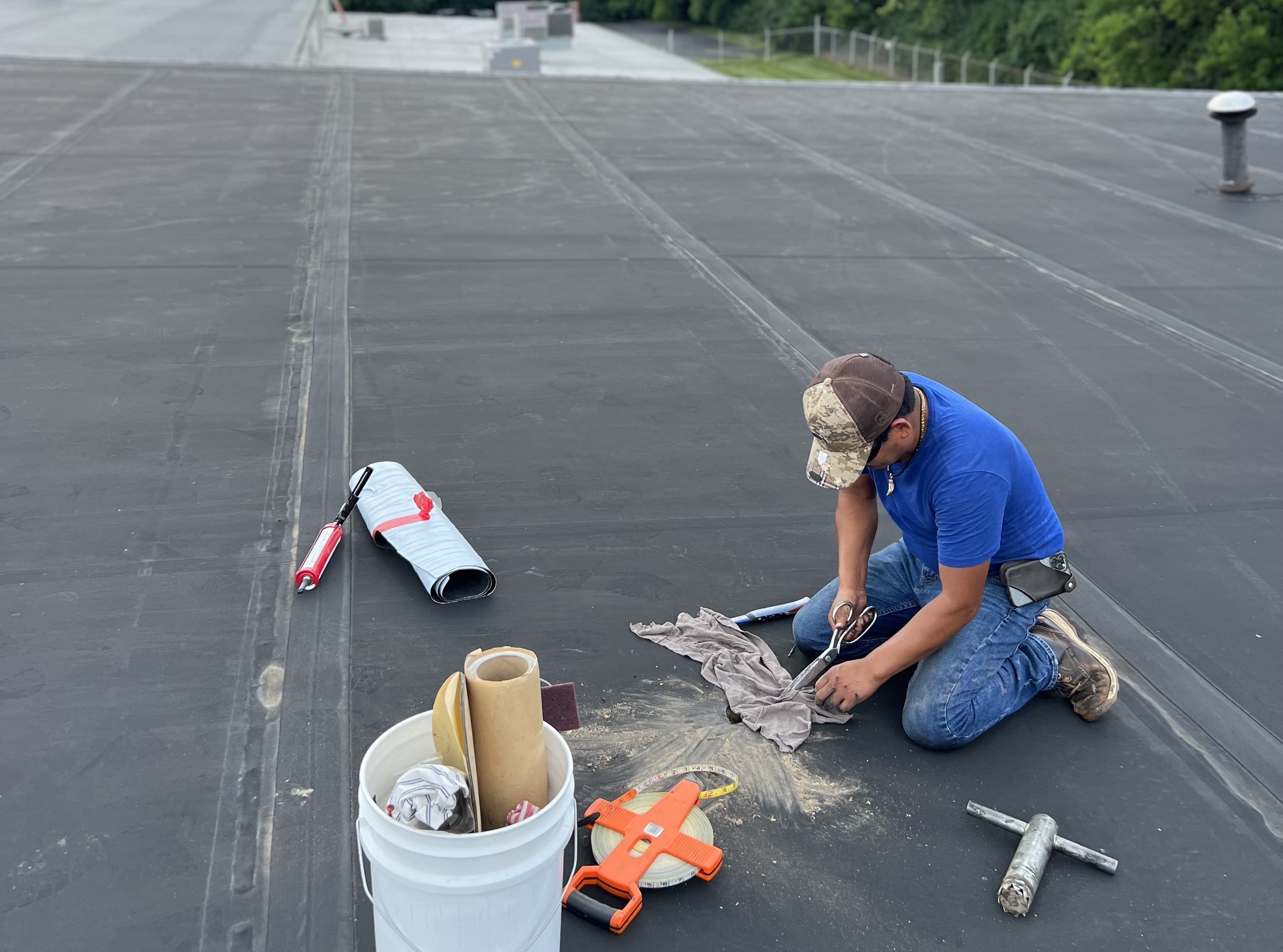
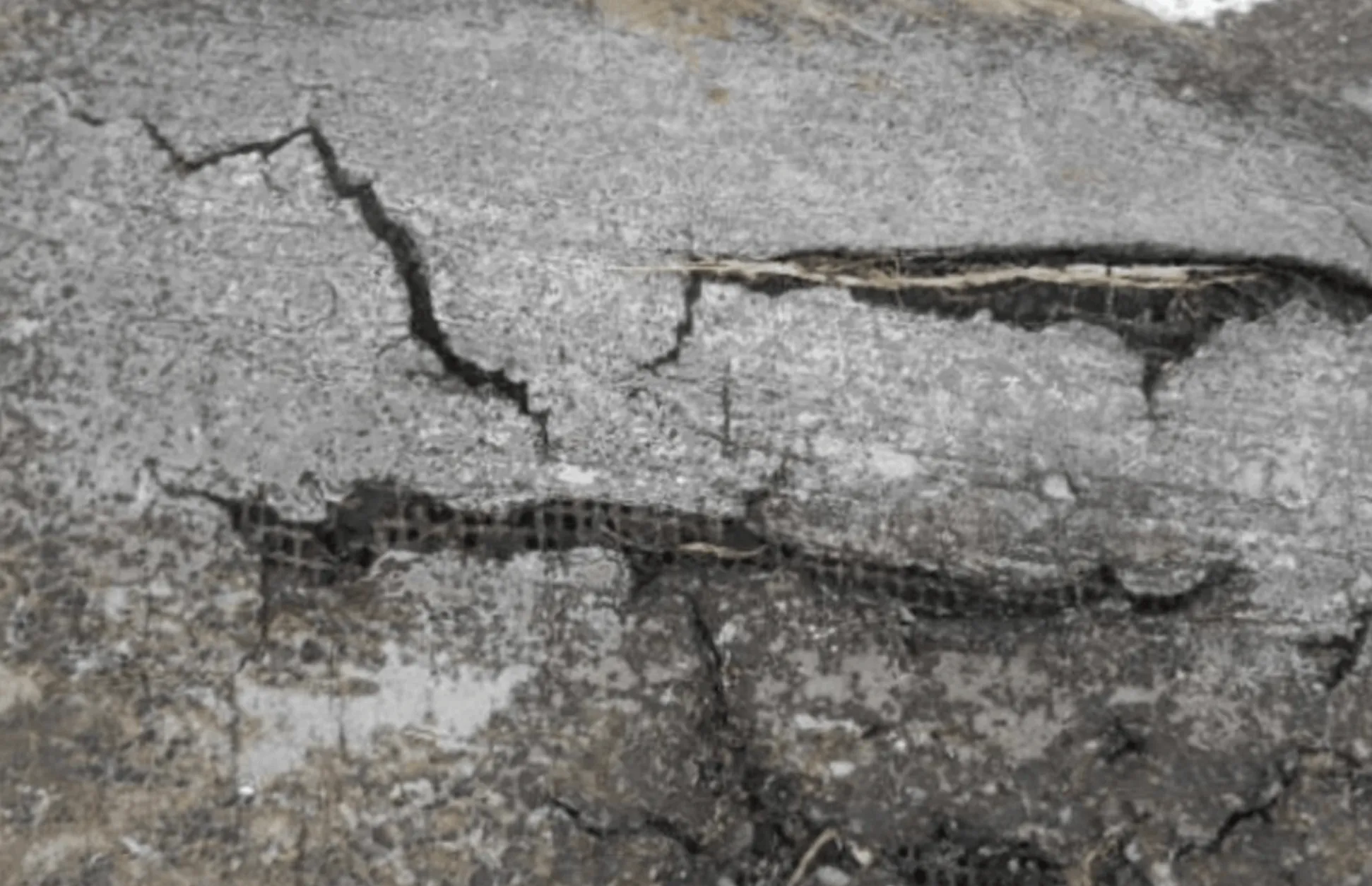
The core deliverable is a record of property and roof identifiers, area and system, installation year, warranty status, inspection dates, leak and repair history, condition grade, immediate needs, budget ranges, target year, and next inspection date. Local Roofers should be able to hand that record to ownership, a facility manager, or another contractor without a separate verbal explanation. During the visit, the technician should inventory each roof area, establish condition and risk, connect service history to current findings, rank projects, and refresh the plan as repairs and inspections change the evidence. Wide views, detail views, measurements, markings, and interior references make the findings reproducible instead of dependent on memory. Temporary protection, permanent repair, routine maintenance, and capital recommendations belong in separate sections. This keeps a successful dry-in from being mistaken for the completed repair and lets competing proposals be compared on the same basis.
Treat each roof assembly on its own terms
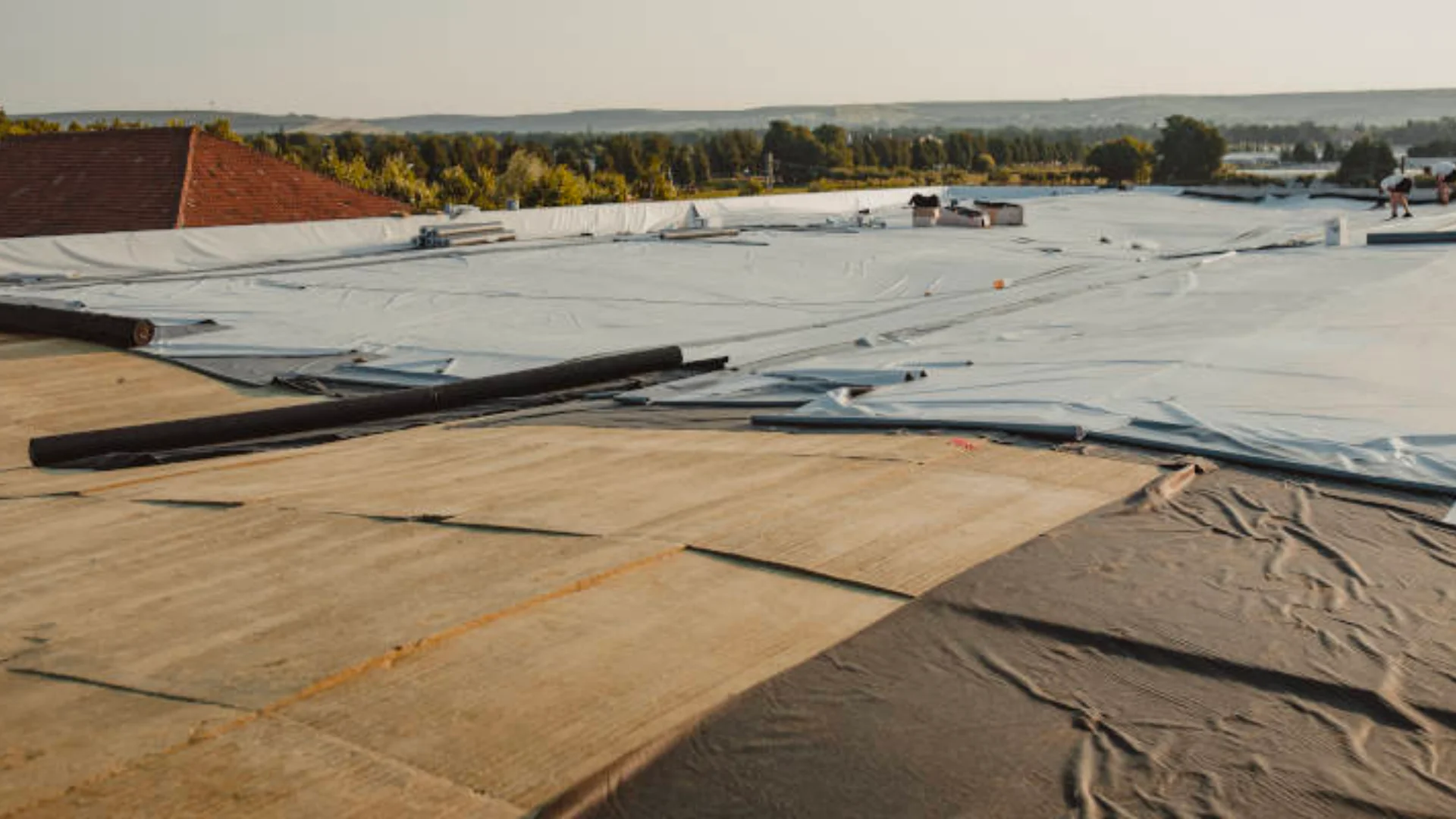
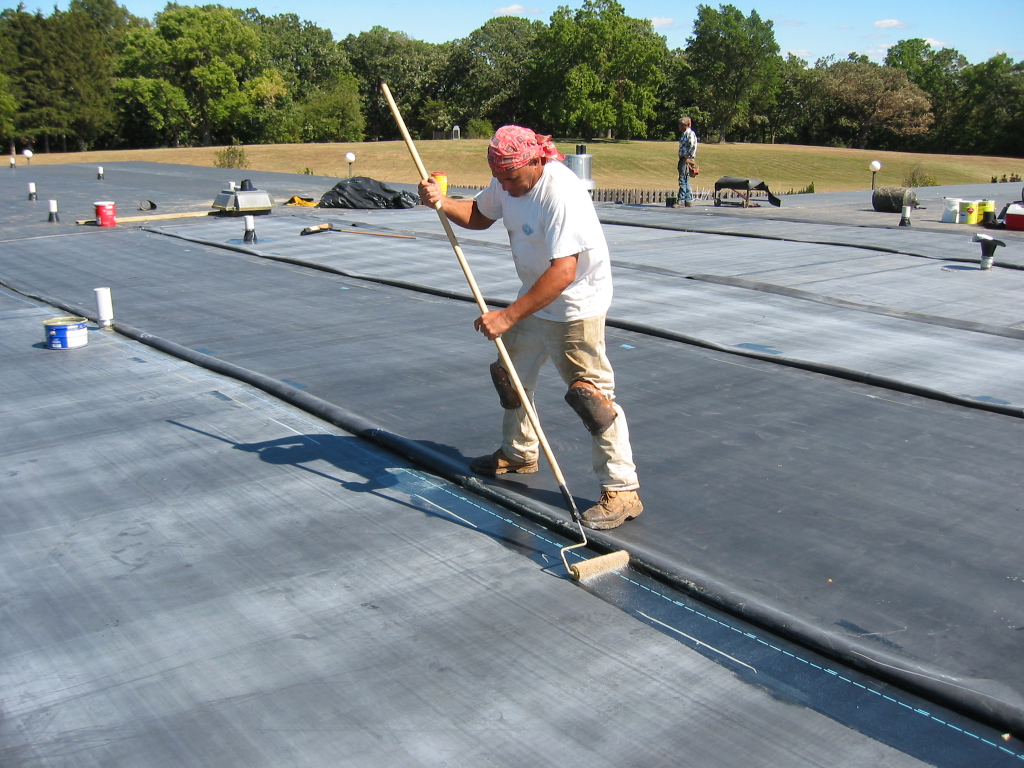
Built Up Roof Systems, Modified Bitumen Systems, and PVC Roof Systems can show a similar interior symptom while requiring different investigation and repair details. The observed assembly-not a generic flat-roof label-has to control the scope. Preparation and repair language must fit the substrate. Cleaning, drying, reinforcement, fastening, priming, welding, adhesion, and cure requirements should not be copied from one roof system to another without verification. Drainage stays in the analysis because a sound patch cannot correct water held against a curb, an overloaded outlet, or settlement at a low point. System language should support which roofs need service now, which can be restored, which require engineering or design, and which replacements should be sequenced into future capital years instead of functioning as a product catalog.
Roof work has to fit real operations
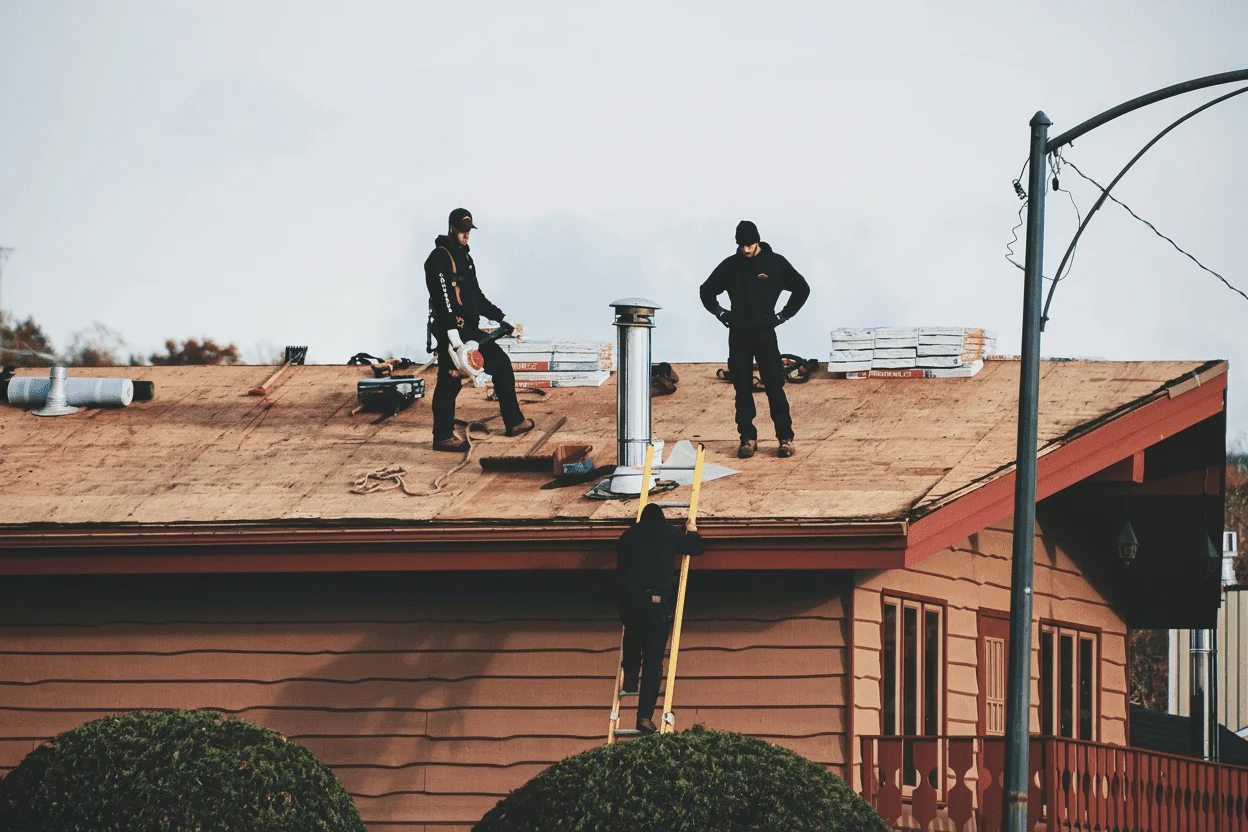
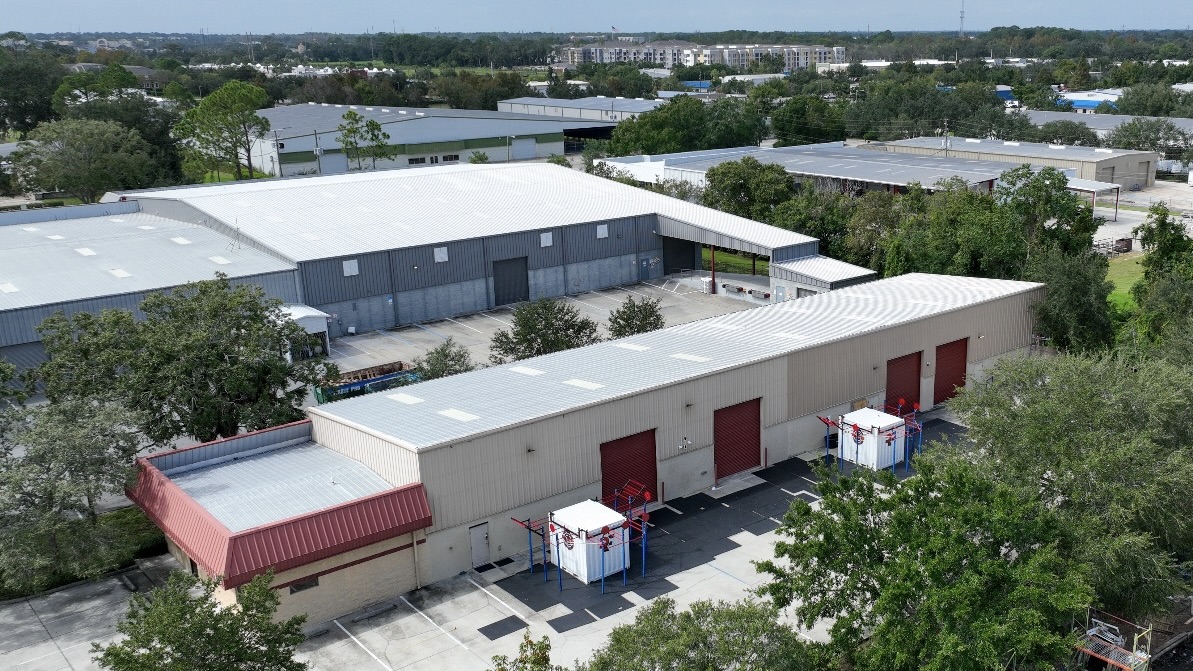
A technically correct detail is only part of the job at Tucson properties such as Automotive Manufacturing Roofing, Parking Structure Roofing, and Multifamily Roofing. The plan also has to protect people, inventory, equipment, and normal access below the roof. Document roof access, sensitive rooms and inventory, deliveries, public entrances, tenant hours, exhausts and air intakes, interior evidence, and the route used to move tools and debris. These conditions belong in the written scope before scheduling. Operating controls are roof-quality controls. Water, debris, odor, noise, or an unsecured access point can harm the owner even when the installed detail itself is correct, so those risks need owners and closeout checks.
Make repair, restoration, and replacement distinct decisions
The decision point is which roofs need service now, which can be restored, which require engineering or design, and which replacements should be sequenced into future capital years. The evidence may support a small permanent repair, a broader corrective scope, a restoration evaluation, recover design, or tear-off, but the report needs to show why. The option matrix should address present failure, remaining risk, investigation still required, installation disruption, anticipated service interval, and future maintenance. Unknown inputs should be visible rather than buried in an allowance. Ownership should be able to see why a roof can be maintained, why it qualifies for restoration, or why removal is necessary. The report earns that conclusion through field evidence rather than sales urgency.
Turn the visit into a usable next step
The practical handoff is a living roof file supported by inspections and service agreements, with repair and replacement handled as separate opportunities. The next person should receive the property address, roof-area identifiers, contacts, access notes, photographs, temporary measures, completed work, open recommendations, and timing. A persistent roof file connects dates, weather, symptoms, findings, repairs, costs, and follow-up. Trends become visible: recurring locations, growing wet areas, drainage issues, or a rising frequency of unrelated failures. Local Roofers can keep inspection and maintenance active while repair, restoration, or replacement moves through a separate project opportunity. The path remains response, evidence, the right scope, closeout, and the next scheduled roof decision.
Tucson decision checklist
- Map the interior symptom to a named roof area before selecting a repair detail.
- Record temporary measures separately from permanent work and list every open item.
- Verify drainage, penetrations, walls, edges, earlier repairs, and transitions around the affected area.
- State the observed roof assembly, unknown construction, access limits, and testing assumptions.
- Connect the recommendation to repair, restoration, replacement, maintenance, or capital-planning thresholds.
- Set the next inspection or follow-up date so the roof history continues after this visit.
Commercial roof decision questions
Does this condition automatically mean the roof must be replaced?
No. The review should establish which roofs need service now, which can be restored, which require engineering or design, and which replacements should be sequenced into future capital years. Replacement becomes a defensible recommendation only when the field evidence, moisture, assembly condition, repair history, deck or attachment concerns, and lifecycle comparison support it.
What should the Tucson roof scope document?
It should document property and roof identifiers, area and system, installation year, warranty status, inspection dates, leak and repair history, condition grade, immediate needs, budget ranges, target year, and next inspection date. It should also label temporary and permanent work separately, state assumptions and exclusions, and identify the inspection or service step that follows the current scope.
How does an urgent call become a maintenance or capital plan?
The immediate visit creates the first roof-area record. A follow-up inspection establishes condition and priorities. Completed repairs, recurring observations, drain service, warranties, and future recommendations are then retained so maintenance stays scheduled and larger work can be placed into the appropriate capital year.