
Commercial Roof Repair in Tucson, AZ
The scope documents leak sources, repair boundaries, photos, and priorities so Tucson owners can separate immediate stabilization from longer-term capital work. Commercial flat roof repair across Tucson - parapet flashing failures, seam separation under UV stress, monsoon-triggered drain failures, and ponding correction. Written scope, documented repair, no replacement upsell on roofs with useful life remaining.
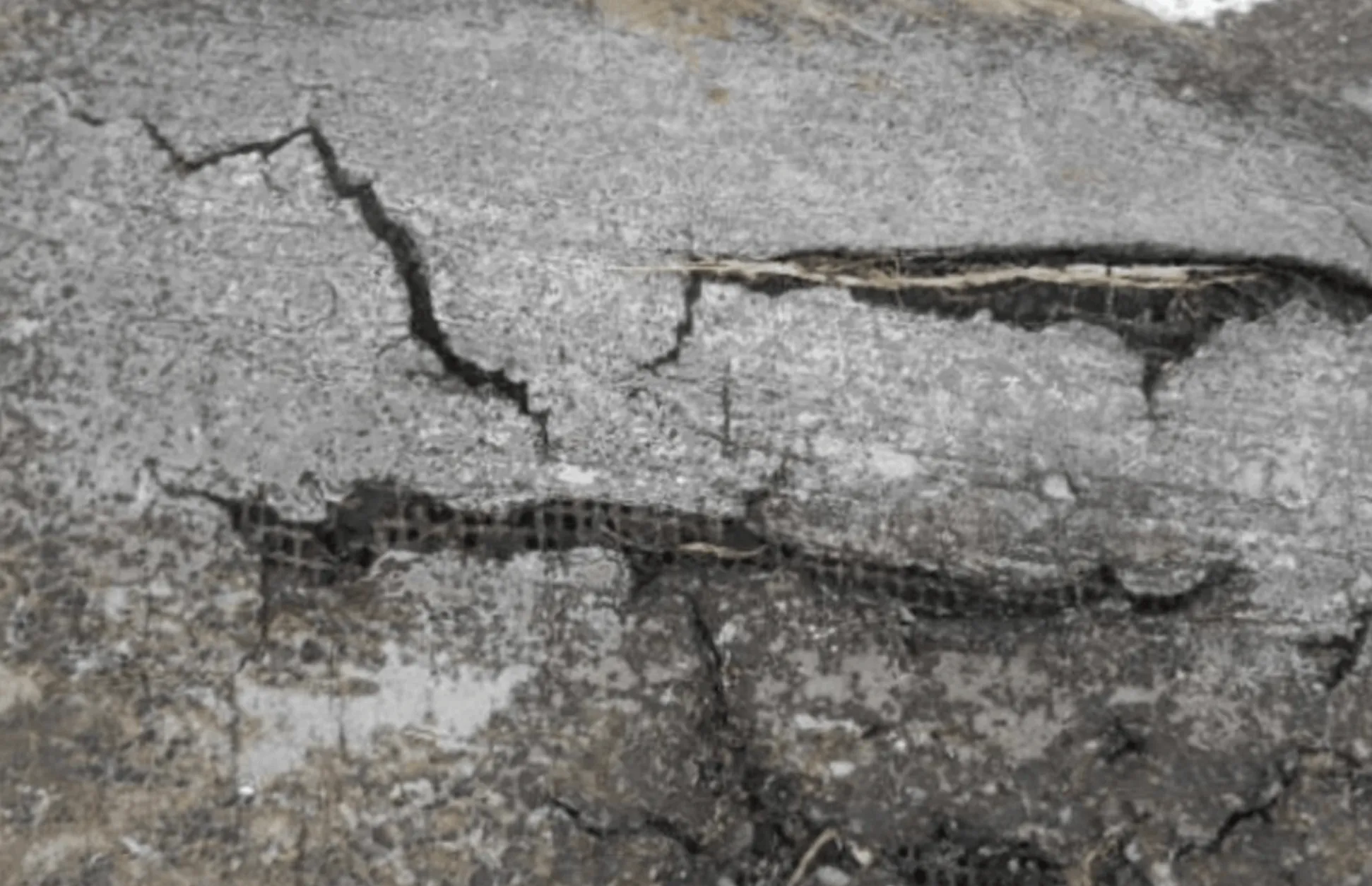
A significant portion of our Tucson repair clients are facility managers at Banner Health satellite buildings, Raytheon subcontractor facilities, or University of Arizona-adjacent research properties who have been told the entire roof needs replacement. We verify that recommendation with cores and a moisture survey. When replacement is genuinely warranted, we say so and explain the data behind it. When targeted repair extends useful life another eight to twelve years at a fraction of replacement cost, that is what the scope reflects.
Sonoran Desert Flat Roof Failure Modes
Parapet flashing UV degradation: Tucson's clear-sky UV Index exceeds 11 for roughly five months of the year - classified as Extreme by the World Health Organization. Parapet flashings receive direct radiation from both the field and the vertical face simultaneously during low-angle morning and afternoon sun. Bitumen-based and early-generation TPO flashings oxidize, blister, and crack under this sustained load faster than any other roof component. The failure pattern is a dry, cracked lap at the base of the parapet where monsoon water enters laterally. Repair scope: remove the degraded flashing, install a UV-stable membrane base flashing with a proper slip-sheet detail at the wall, terminate with embedded counter-flashing secured against the thermal cycling that Tucson's daily 30-to-40-degree temperature swings produce.
Seam separation after thermal cycling: Tucson commercial roofs cycle through 30 to 40 degrees of temperature swing on a typical spring or fall day and up to 70-degree swings in winter. Single-ply seam bonds - both heat-welded TPO and adhesive-seamed EPDM - experience this cycling stress across thousands of cycles over a roof's service life. Seam failure rates in Tucson exceed what manufacturer service-life tables predict for moderate-climate markets. We probe-test all seams and laps in any repair scope and document every location that fails probe with GPS coordinates. Isolated seam failures are repairable; systemic seam failure across the full field shifts the conversation to replacement.
Post-monsoon drain failures: Tucson receives roughly 60 percent of its annual 12 inches of precipitation during July through September, delivered in intense convective events that can drop over an inch in under an hour. Drain bodies and sumps that are partially blocked by debris - accumulated dust, gravel, HVAC condensate particulate - back up immediately under these flow rates. Standing water against parapet flashings that are already UV-degraded produces rapid lateral infiltration. Repair scope: core-cut and replace the drain body and ring, re-flash the sump with a compatible membrane lap, verify the drain connects unobstructed to the storm line, and document the drain elevation relative to the surrounding membrane field.
- Parapet flashing UV oxidation - vertical faces receive full low-angle solar load that horizontal membrane avoids
- Seam separation from thermal cycling - 30-to-70-degree daily swings stress bonds beyond moderate-climate testing baselines
- Post-monsoon drain failure - convective storm flow rates overwhelm partially blocked drain bodies
- Penetration boot degradation - pipe boots and conduit sleeves age fastest under Tucson UV and thermal stress
- Blister formation from trapped monsoon moisture - heat cycle drives absorbed water deeper into insulation rather than evaporating it
How We Make the Repair-vs-Replace Decision
We pull moisture cores in five to ten representative locations on any Tucson roof where insulation saturation is suspected - interior ceiling staining, soft membrane underfoot, surface blistering over drain pans, or any roof that has absorbed a documented monsoon event without confirmed drainage. Tucson's heat cycle is deceptive: absorbed monsoon moisture does not evaporate upward through a well-adhered membrane. It migrates laterally and downward, concentrating at fastener plates and deck flutes. A surface that looks dry can be hiding saturated insulation. Cores tell us what infrared scanning and surface observation cannot.
When cores read dry and failures are localized - a parapet run of 30 to 50 linear feet, a cluster of failed seams near one drain field, a single isolated ponding area - repair is the right call and we scope it precisely. When more than 25 percent of cores read wet, repair economics no longer pencil: recovering over saturated insulation traps moisture, voids any manufacturer warranty applied on top, and accelerates deck corrosion under Tucson's sustained heat. In that case we say replacement is warranted, explain the data that drives the recommendation, and write a replacement scope.
Repair Documentation We Deliver at Closeout
Every repair project closes out with a photo-keyed repair map showing exact locations on the roof plan, before-and-after photos at each repair point, product data sheets for every material applied, and a written service record formatted for the building's roof asset file. For Tucson buildings under an active manufacturer warranty, this documentation goes into the warranty file in the format the manufacturer requires - because a warranty claim without repair documentation is a warranty claim that manufacturers have a clear contractual basis to deny.
For buildings that are part of our annual maintenance program, repair documentation feeds directly into the pre-monsoon condition report. The facility manager receives a running repair history that is legible to the next building owner or the next facilities team - not a pile of disconnected invoices.
Frequently asked questions
How do you price commercial roof repairs in Tucson - time-and-materials or fixed scope?
Fixed scope after a documented inspection walk. We do not do time-and-materials repair on commercial flat roofs. After we walk the roof, probe the seams, and pull cores where saturation is suspected, we deliver a fixed-price written repair scope. If we open a repair area and find damage that materially changes the scope - saturated insulation under a seemingly dry membrane, for example - we stop, photograph it, and contact you before proceeding. No invoice surprises.
Can you repair a Tucson commercial roof that is still under an active manufacturer warranty?
Yes. Most manufacturer NDL warranties allow any licensed and credentialed contractor to perform repair work, provided the repair materials are compatible with the warranted system and the repair is documented to the manufacturer's protocol. We carry credentials with Carlisle, Sika Sarnafil, Firestone, Versico, and Johns Manville. We submit repair documentation to the manufacturer's warranty department after closeout so the repair is on record and does not create a gap in the warranty coverage history.
My Tucson building has a monsoon leak into occupied space. How quickly can you respond?
Downtown Tucson and midtown buildings - within four business hours for emergency calls during business hours. After-hours monsoon-season emergency response routes to an on-call project manager who can dispatch a dry-in crew same-evening or at first light. We run a 24-hour storm-response protocol after any documented monsoon event producing over one inch of rainfall at Tucson International Airport - buildings on our maintenance contracts receive priority dispatch.
Get a written repair scope for your Tucson commercial building.
We will walk the roof, pull cores where saturation is suspected, and produce a written repair scope with an honest repair-vs-replace recommendation and no pressure to pursue a project larger than what your building actually needs.
Ready to talk through a roof?
Tell us about the building and the roof problem. We'll document it and put a plan in writing - with an honest repair-vs-replace recommendation and no upsell pressure.
Documented, repair-first commercial & industrial roofing across Tucson and Pima County. Flat and low-slope systems for occupied buildings, planned around your operation.
Services
© 2026 Commercial Roofing Contractors Tucson. All Rights Reserved. Privacy Policy · Terms of UseSite Map