
University and College Campus Roofing in Tucson, AZ
Commercial roofing for university buildings, dormitories, academic halls, and college campuses throughout Tucson, AZ.
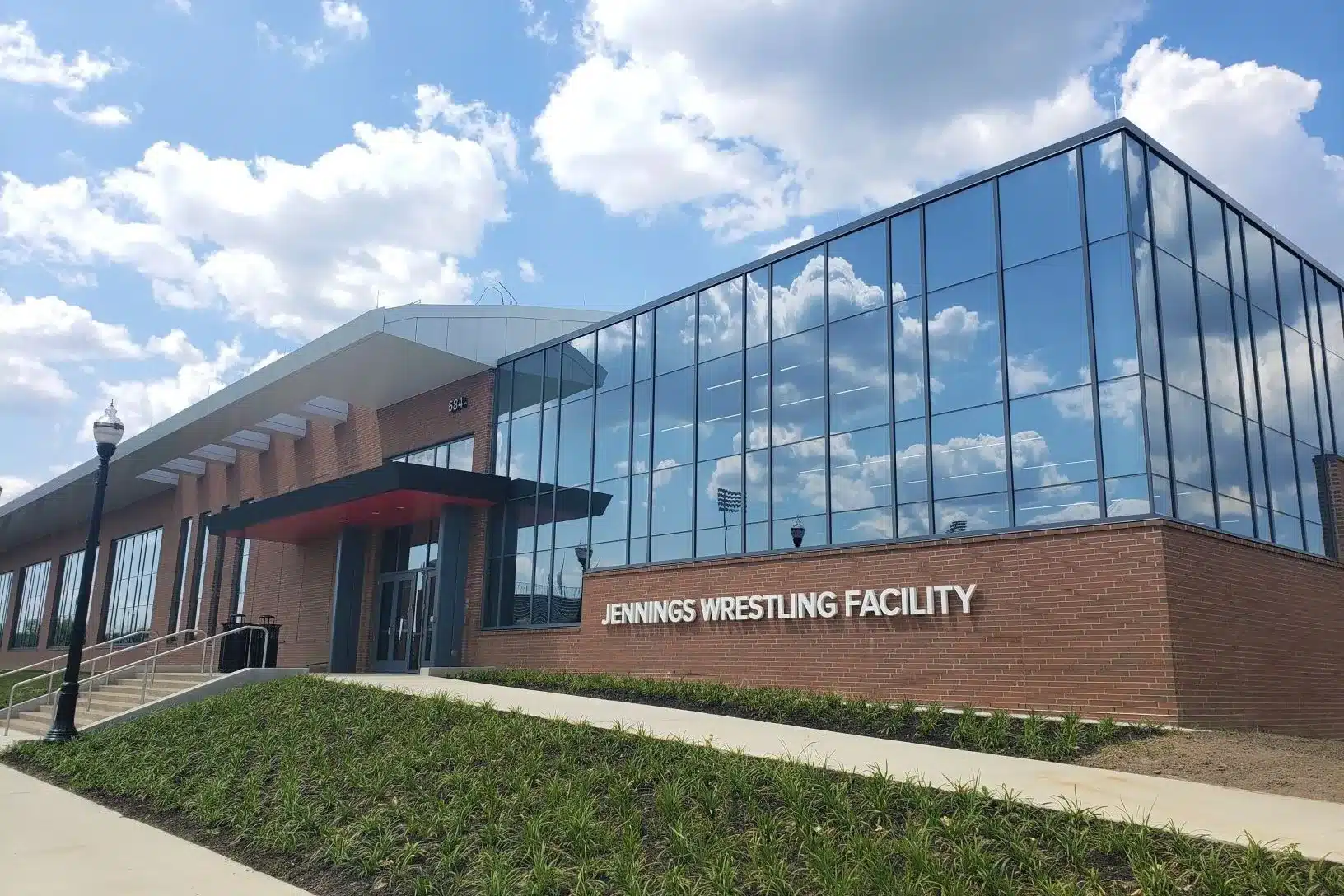
The University of Arizona in Tucson manages one of the most architecturally diverse campus roofscapes in the American Southwest, encompassing historic red-brick buildings from the territorial era, mid-century modernist science halls, and contemporary research facilities totaling millions of square feet under active roofing maintenance programs. Facilities Services at the U of A must balance the preservation requirements of the university's historic core-which includes buildings listed on the State Historic Property Inventory-against the urgency of upgrading aging roofing systems that were installed before the current generation of energy code requirements and membrane technology.
Semester scheduling is the governing constraint on every University of Arizona roofing project. Student orientation and move-in in mid-August, the first day of fall classes, finals week in December, spring move-in in January, and commencement in May all define hard boundaries within which significant roofing work cannot proceed in occupied academic buildings. The practical window for major roof replacement projects on active academic buildings is mid-May through early August-a twelve-week window that coincides with the hottest and most storm-prone months of the Tucson year. Contractors who work regularly with U of A Facilities Services plan around this constraint from the outset, pre-ordering materials in March and scheduling crew assignments to ensure full productivity during the limited summer window.
The University of Arizona's historic core along University Boulevard and the Old Main quad contains buildings constructed in the late nineteenth and early twentieth centuries with masonry parapet walls, clay tile roof surfaces, and original copper flashing details that must be preserved or restored according to the Secretary of the Interior's Standards for the Treatment of Historic Properties. Re-roofing historic campus buildings requires close coordination with the State Historic Preservation Officer (SHPO) review process, and any modification to visible exterior features-including the slope profile, surface material, or flashing material-may require a no-adverse-effect finding before permits are issued. Tucson contractors experienced with U of A historic building projects maintain relationships with SHPO staff and understand the documentation format required for treatment proposals.
The U of A's research facilities present a different set of roofing challenges. The Biosciences Research Laboratories, the BIO5 Institute building, and the National Cancer Institute-designated Cancer Center contain laboratory spaces with strict environmental control requirements where a roofing leak is not merely an inconvenience but a potential threat to years of research data and millions of dollars of sensitive equipment. These buildings typically have high rooftop equipment densities-exhaust fans, cooling towers, fresh air intakes-that create a complex penetration environment and require precise coordination between the roofing contractor and the facilities team to maintain laboratory exhaust integrity during re-roofing operations.
Tucson's Sonoran Desert climate creates summer roofing conditions that are both physically demanding and technically challenging. The monsoon season, which brings intense but brief rainfall between mid-June and mid-September, coincides exactly with the primary roofing window for U of A projects. Contractors must maintain flexible daily schedules that accommodate monsoon afternoon storms, ensure that open membrane areas can be temporarily protected within 30 minutes of a storm warning, and document every weather delay in the project log with meteorological data to support schedule extension requests if the delays accumulate beyond the contract's allowance.
LEED certification is a stated institutional goal of the University of Arizona for all major capital projects, and roofing replacements above certain square footage thresholds are classified as capital projects subject to the sustainability requirements of UA's Campus Master Plan. LEED v4 Materials and Resources credits require environmental product declarations for major roofing components, construction waste management plans with quantified diversion targets, and regional material sourcing documentation. The university's Design and Construction Standards specify the minimum insulation R-values, membrane SRI values, and waterproofing membrane types that are acceptable for each building category, and contractors must verify compliance with these standards during the design review process rather than at installation.
Research facility roofing on the U of A campus increasingly includes provisions for rooftop photovoltaic systems, green roof assemblies, and educational weather monitoring stations that are part of the university's climate research programs. Contractors working on U of A research buildings must be prepared to interface with PV system installers, green roof media suppliers, and research equipment vendors whose work integrates directly with the roofing assembly. Coordination meetings with all trades before deck preparation begins prevent conflicts that would otherwise surface during installation-such as a drain location that conflicts with a planned PV ballast system, or a membrane penetration for research equipment that is not included in the base roofing drawings.
Access management on the U of A campus requires permits from Facilities Services for any rooftop access, and these permits must be obtained before each day's work begins rather than being issued once for the project duration. The permit system ensures that the university maintains awareness of who is on which rooftop at all times, which is important both for safety and for the coordination of building systems that may be affected by roofing work. Contractors who are unfamiliar with the U of A permit system and attempt to access rooftops without a current permit face immediate work suspension and may jeopardize their standing on current and future university projects.
Long-term preventive maintenance programs with the University of Arizona typically operate on a five-year cycle aligned with the university's capital planning process. Annual condition assessments of all campus roofs produce the Facility Condition Index data that drives capital planning prioritization, and contractors who provide well-documented assessments with quantified condition ratings-not just narrative descriptions-are more useful to the U of A Facilities team and more likely to be retained for recurring assessment contracts. The ability to integrate assessment findings into the university's FAMIS (Facility Asset Management Information System) database is increasingly expected of contractors seeking long-term U of A relationships.
- What are the primary scheduling windows for re-roofing U of A academic buildings in Tucson?
- The primary window is mid-May through early August, during summer break when buildings are minimally occupied. Secondary opportunities exist during winter break in late December and early January for buildings that are not used for summer research programs. Fall and spring semester periods restrict work to exterior-only activities that do not affect building operations or require building system shutdowns during occupied hours.
- How does Tucson's monsoon season affect roofing projects on the University of Arizona campus?
- The monsoon season runs from mid-June through mid-September, delivering intense afternoon storms that require daily project adjustments. Contractors must have temporary protection materials pre-staged on site, maintain real-time weather monitoring, and be able to protect open membrane areas within 30 minutes of a storm warning. Monsoon weather delays are documented and may support schedule extension requests, but budget for them in the project timeline rather than treating them as exceptional events.
- What SHPO coordination is required for roofing work on historic buildings in U of A's main campus?
- Buildings listed on the State Historic Property Inventory require SHPO coordination when the proposed work may affect the historic character of the building's exterior. This typically means that any visible roofing component-coping, flashing material, surface color, or slope profile-that differs from the historic configuration must be reviewed under the no-adverse-effect standard. The university's Historic Preservation Officer coordinates with SHPO and must approve the treatment plan before permits are issued.
- What insulation R-value does U of A's Design and Construction Standards require for roof replacement projects?
- The University of Arizona's current Design and Construction Standards require a minimum of R-30 for re-roofing projects on air-conditioned buildings, installed in two or more layers of polyisocyanurate with staggered joints to eliminate thermal bridging. Buildings in the university's historic core with structural limitations may require lower R-values that the structure can support, with the reduction documented and approved by the university's structural engineer.
- How is LEED waste diversion documentation managed for University of Arizona roofing projects?
- U of A requires that roofing contractors submit a Construction Waste Management Plan before demolition begins, identifying the specific waste streams (old membrane, insulation, metal components, concrete ballast), the diversion method for each (recycling, reuse, or landfill), and the name and certification of the receiving facility. Post-project waste diversion reports must include weight tickets from the receiving facilities, and the diversion rate must meet the LEED v4 50% minimum diversion threshold to support the university's sustainability documentation.
Frequently asked questions
Can you coat a BUR roof instead of replacing it?
Sometimes - and in Tucson it is often the right call when the substrate qualifies. We pull moisture cores before making any recommendation. If the insulation is dry, the gravel contact is intact, and there is no active blistering, a silicone coating system with the appropriate BUR primer is frequently the most cost-effective path: typically one-third the cost of tear-off and replacement, with a 10-15 year warranty from the coating manufacturer. If the insulation is wet, coating is not the answer and we say so.
How does Tucson's climate affect BUR faster than other markets?
Sustained UV at Index 11-plus for roughly five months of the year oxidizes the surface bitumen at a faster rate than in northern or coastal markets. The monsoon season then stress-tests seams and flashings that have been UV-cycled all summer. The combination accelerates alligatoring, flashing degradation, and gravel contact breakdown faster than manufacturer service-life tables - which are typically calibrated to moderate-climate exposure - predict. Annual inspection and maintenance is not optional on Tucson BUR systems; it is what determines whether the system reaches the end of its useful life on a planned schedule or fails on a monsoon emergency.
Is new BUR installation an option for Tucson commercial buildings?
Rarely, and we do not recommend it as a first choice. New BUR installation in the Tucson market has been largely supplanted by TPO and silicone coating systems that provide better reflectivity performance in the IECC Climate Zone 2B compliance environment. We can spec and install new BUR where a building's situation specifically requires it - but for most Tucson commercial buildings, a reflective single-ply system or a silicone restoration coating is the more defensible recommendation.
Aging BUR on a Tucson commercial building?
We will walk the roof, pull core cuts, and produce a written assessment - replace vs. coat vs. recover - with system options, installed cost bands, and warranty paths. No obligation.
Ready to talk through a roof?
Tell us about the building and the roof problem. We'll document it and put a plan in writing - with an honest repair-vs-replace recommendation and no upsell pressure.
Documented, repair-first commercial & industrial roofing across Tucson and Pima County. Flat and low-slope systems for occupied buildings, planned around your operation.
Services
© 2026 Commercial Roofing Contractors Tucson. All Rights Reserved. Privacy Policy · Terms of UseSite Map