
Hotel and Hospitality Property Roofing in Tucson, AZ
Commercial roofing for full-service hotels, limited-service hotels, extended-stay properties, and hospitality brands throughout Tucson, AZ.
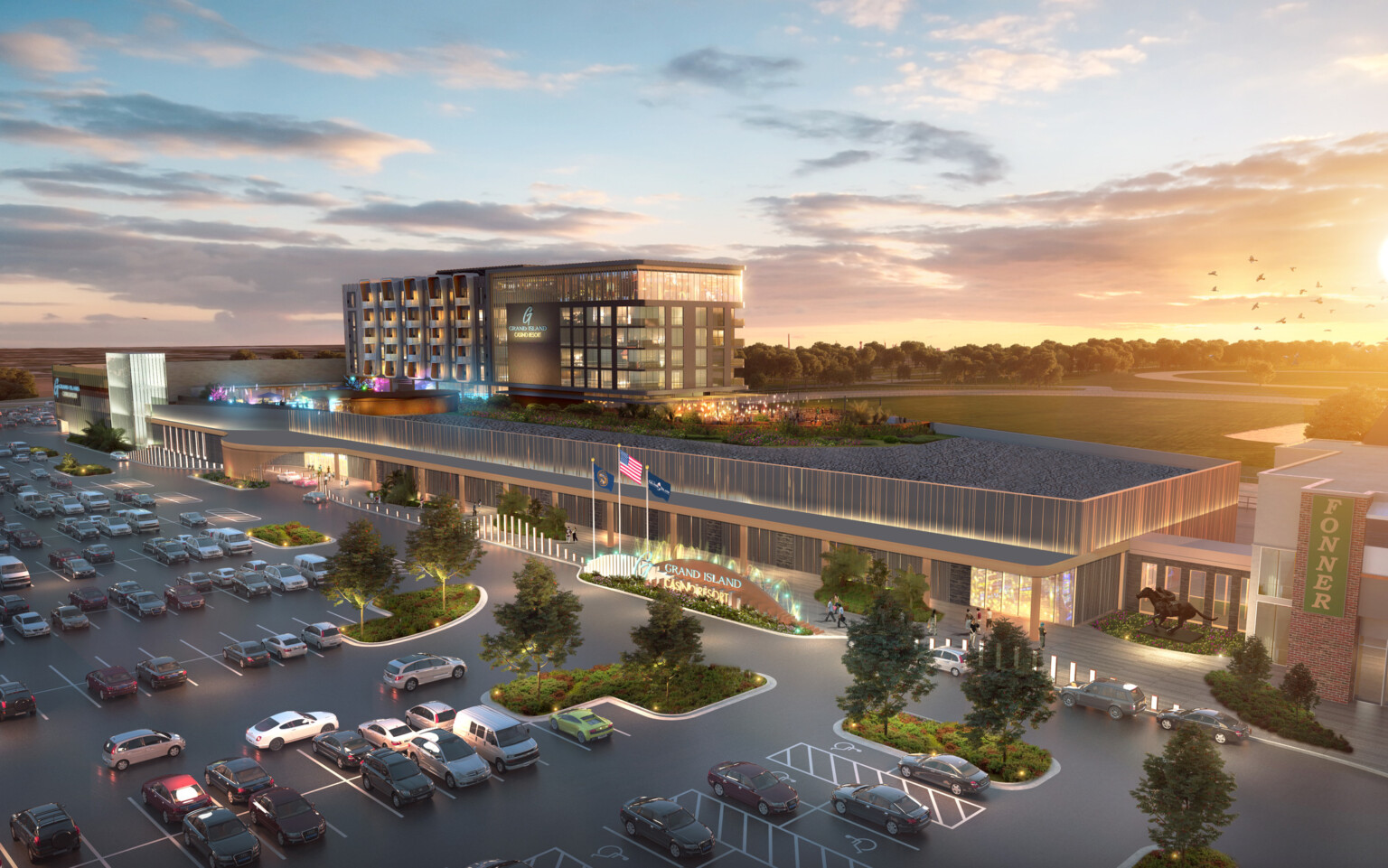
Tucson's hospitality sector has expanded steadily alongside the city's growth as a destination for desert wellness tourism, University of Arizona events, and the Gem and Mineral Show that draws tens of thousands of visitors each winter. Properties along the Miracle Mile corridor, the resort row near the Foothills, and the cluster of extended-stay hotels near the Tucson Convention Center all face the same underlying challenge: flat and low-slope roofs that must endure temperature swings exceeding 100°F between summer highs and winter nights. When a hotel roof begins to fail in Tucson, the consequences are felt quickly in guest room comfort, utility bills, and the kind of online reviews that can drop a property's average rating within a season.
Property improvement plans are a recurring pressure point for hotel ownership groups in Tucson, particularly for flagged properties under Marriott, Hilton, and IHG brand families that have regional representatives who inspect assets on rolling cycles. A PIP that includes roof remediation is not simply a capital expenditure - it is a brand compliance requirement, and lenders tied to franchise agreements will scrutinize whether the work was completed to specification. Our crews have worked alongside PIP consultants and brand-approved vendors to ensure that roofing scopes align with the documentation required for flag retention, from TPO membrane specifications to R-value targets that meet updated energy codes.
The desert sun is relentless on Tucson hotel roofs. UV degradation is the primary failure mechanism here, not freeze-thaw cycling. Darker modified bitumen membranes that performed adequately in the 1990s now absorb heat that radiates down into top-floor guest rooms, driving up HVAC loads and prompting comfort complaints. White reflective TPO and EPDM systems with Energy Star ratings can reduce surface temperatures by 40 to 60 degrees Fahrenheit, a change guests notice immediately in room temperature consistency. For Foothills resort properties with significant exposed roof area visible from upper-floor balconies, the aesthetic of a clean white membrane also aligns with the design intent that brand standards increasingly require.
Pool deck roofing presents a specialized challenge for Tucson hospitality properties. Many full-service hotels and resorts here feature covered outdoor event spaces adjacent to pool areas, and the combination of chlorine off-gassing, poolside humidity, and intense solar radiation creates an environment that degrades standard roofing systems faster than typical applications. We install chemical-resistant coatings over properly prepared substrates and detail flashings at every penetration with the extra care that pool-adjacent environments demand. Condensation management and positive drainage are non-negotiable in these areas - standing water near a pool deck creates liability exposure that no property manager wants.
Monsoon season, which runs from mid-June through September in Tucson, delivers intense short-duration storms that test drainage systems. Roof drains and scuppers that have accumulated desert dust and debris through the dry winter and spring are often overwhelmed during the first significant monsoon event. We offer pre-monsoon maintenance programs that include drain clearing, surface inspection, and seam checks so that hotel operators are not scrambling to respond to interior water damage during peak summer occupancy. Emergency response is available for post-storm assessments, with documentation packages suitable for insurance claims.
Minimizing construction noise and disruption is essential when reroofing an occupied hotel. Our Tucson project teams schedule demolition and mechanical work during off-peak hours, coordinate with front desk staff on room blocking strategies, and use low-odor adhesives wherever possible to avoid complaints from guests in adjacent rooms. For phased re-roofing projects on multi-wing properties like the larger conference hotels on South Palo Verde Road, we maintain temporary weather protection at all open seams at the end of each workday so that an unexpected afternoon thunderstorm does not create an emergency inside an occupied building.
Preventive maintenance contracts give Tucson hotel ownership groups predictable annual costs and reduce the likelihood of a capital surprise during a refinancing or brand audit. A maintenance visit twice yearly - once before monsoon season and once in late fall - catches the kinds of small failures that become large ones: a lifted flashing, a cracked pipe boot, a section of membrane that has begun to blister. Hotels that track roof condition as part of their asset management systems consistently report lower five-year roofing costs than those that operate reactively.
Extended-stay properties near Interstate 10 and the Tucson Airport have different roofing profiles than the resort properties in the Foothills, but face their own pressure. Guests staying weeks at a time are more attuned to subtle comfort issues, and a roof that allows solar heat gain into a top-floor kitchen unit will generate complaints that are harder to resolve than a single-night complaint. We assess HVAC-roof integration on these properties, looking at whether existing insulation depths meet current standards and whether there are opportunities to improve thermal performance without a complete tear-off.
Tucson hotel operators who treat roofing as a strategic asset rather than a maintenance afterthought position themselves better for the city's continued growth as a tourism and convention destination. With a proper membrane system, a documented maintenance schedule, and a contractor who understands the unique demands of desert climate and hospitality operations, a hotel roof can perform reliably for 20 years or more without unplanned capital outlay. Our team is ready to assess your property, provide a detailed scope of work, and deliver results that protect your guests, your brand relationship, and your investment.
- How does Tucson's monsoon season affect hotel roofs specifically?
- The sudden heavy rainfall after months of dry heat can overwhelm roof drains clogged with desert dust and debris, causing ponding that stresses seams and flashings. Hotels should schedule a professional drain clearing and surface inspection in late May or early June before the first storm event. Interior water intrusion during peak summer occupancy is both costly and highly visible to guests.
- What membrane type performs best on Tucson hotel roofs?
- White reflective TPO is the most commonly specified membrane for new and replacement hotel roofing in Tucson due to its UV resistance, heat-reflective properties, and weldable seam strength. Thermoplastic systems maintain flexibility across the extreme temperature range typical of southern Arizona, reducing the cracking risk associated with older EPDM in high-UV environments. Energy Star-rated assemblies also support utility rebate applications through Tucson Electric Power.
- How do you handle reroofing a hotel that remains open during construction?
- Our crews develop a phased work plan with the property's general manager before mobilizing, identifying which wings or sections can be taken offline in sequence without displacing guests. We maintain temporary waterproofing at all open areas at the end of each day and coordinate with housekeeping to ensure noise-sensitive work happens outside standard guest sleep hours. Clear communication with front desk staff allows for proactive room management throughout the project.
- What does a PIP-compliant roofing scope typically include for flagged Tucson hotels?
- Brand PIPs often specify minimum R-values, membrane types, and sometimes reflectance ratings that must be documented after installation. Our project managers work directly with the brand's approved vendor list requirements and provide the as-built documentation, material certifications, and warranty registrations that ownership groups need to satisfy the flag's property improvement review. This documentation is also valuable for lender escrow requirements tied to PIP completion.
- Can pool-adjacent roofing be repaired without closing the pool area?
- In most cases, targeted repairs to covered pool deck areas can proceed with the pool operational, provided proper safety barriers are in place and low-VOC materials are selected. Full replacement of a pool-adjacent roofing system typically requires a temporary closure of the immediate area, but we coordinate with the property to schedule this during lower-occupancy periods and minimize the footprint of restricted access. We provide advance notice timelines to help the sales team manage group bookings around any planned closure.
Frequently asked questions
Can you coat a BUR roof instead of replacing it?
Sometimes - and in Tucson it is often the right call when the substrate qualifies. We pull moisture cores before making any recommendation. If the insulation is dry, the gravel contact is intact, and there is no active blistering, a silicone coating system with the appropriate BUR primer is frequently the most cost-effective path: typically one-third the cost of tear-off and replacement, with a 10-15 year warranty from the coating manufacturer. If the insulation is wet, coating is not the answer and we say so.
How does Tucson's climate affect BUR faster than other markets?
Sustained UV at Index 11-plus for roughly five months of the year oxidizes the surface bitumen at a faster rate than in northern or coastal markets. The monsoon season then stress-tests seams and flashings that have been UV-cycled all summer. The combination accelerates alligatoring, flashing degradation, and gravel contact breakdown faster than manufacturer service-life tables - which are typically calibrated to moderate-climate exposure - predict. Annual inspection and maintenance is not optional on Tucson BUR systems; it is what determines whether the system reaches the end of its useful life on a planned schedule or fails on a monsoon emergency.
Is new BUR installation an option for Tucson commercial buildings?
Rarely, and we do not recommend it as a first choice. New BUR installation in the Tucson market has been largely supplanted by TPO and silicone coating systems that provide better reflectivity performance in the IECC Climate Zone 2B compliance environment. We can spec and install new BUR where a building's situation specifically requires it - but for most Tucson commercial buildings, a reflective single-ply system or a silicone restoration coating is the more defensible recommendation.
Aging BUR on a Tucson commercial building?
We will walk the roof, pull core cuts, and produce a written assessment - replace vs. coat vs. recover - with system options, installed cost bands, and warranty paths. No obligation.
Ready to talk through a roof?
Tell us about the building and the roof problem. We'll document it and put a plan in writing - with an honest repair-vs-replace recommendation and no upsell pressure.
Documented, repair-first commercial & industrial roofing across Tucson and Pima County. Flat and low-slope systems for occupied buildings, planned around your operation.
Services
© 2026 Commercial Roofing Contractors Tucson. All Rights Reserved. Privacy Policy · Terms of UseSite Map