
Weather watch · Prepare your roof
Prepare for flood watch conditions in Casas Adobes, Catalina Foothills, Drexel Heights, Marana, Oro Valley, Sahuarita, and Tucson
The National Weather Service has issued a flood watch covering Casas Adobes, Catalina Foothills, Drexel Heights, Marana, Oro Valley, Sahuarita, and Tucson. Heavy rain and drainage loading can expose roof leaks, blocked drains, and ponding water. This is a weather exposure advisory; it does not establish damage to a specific roof.
Review your leak-response contacts and existing roof concerns. Arrange drainage checks only when safe. Follow official local weather guidance.
National Weather Service · Updated Sep 27, 2026, 4:17 AM UTC
Drone & Infrared Roof Inspection in Tucson, AZ
Aerial and thermal drone roof surveys in Tucson, AZ map trapped moisture across large low-slope roofs with zero foot traffic. FAA-compliant flights, GPS-tagged findings, fast storm turnaround.
A flat roof keeps its problems where the ground cannot see them
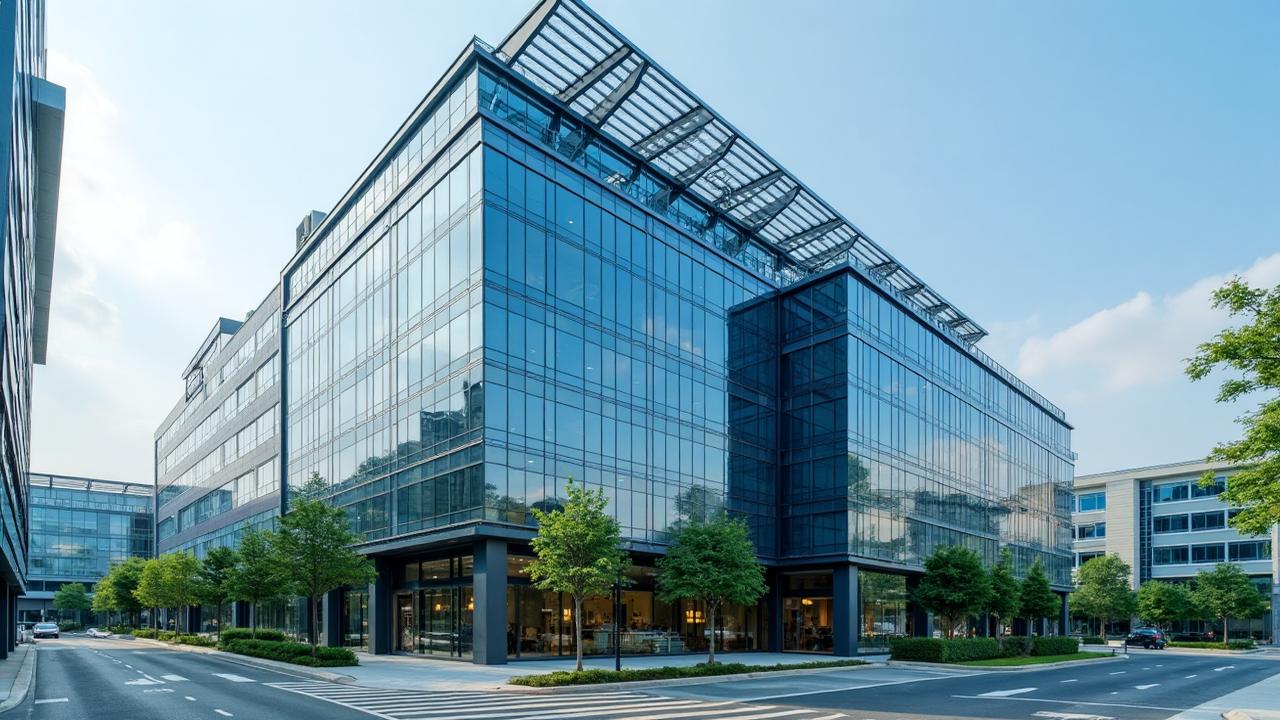
Stand in the parking lot of a distribution building along the I-10 frontage near the Port of Tucson and you can tell almost nothing about the acre of membrane on top of it. The ponding sits below the parapet. The lifted seam is forty feet back from any edge. The wet insulation gives no surface clue at all. The old way to find any of it is to put two technicians on the roof for half a day, scuffing the membrane with every step and still walking past the spots that matter. We fly instead. A drone running a high-resolution camera and a radiometric thermal sensor covers the entire roof in a fraction of that time, catches what a walkover misses, and never sends a crew onto a roof whose soundness is still an open question.
That reach pays off across the range of buildings Tucson actually has: the manufacturing and aerospace facilities clustered around Tucson International and the Aerospace Parkway corridor, the big retail roofs near Tucson Mall and Park Place, the research and lab buildings in the University of Arizona district, and the resort and hotel roofs spread through the Catalina foothills. On every one of them, an aerial survey hands the owner a complete, date-stamped record of roof condition before any money gets committed.
Infrared is how we find water you would otherwise pay to replace blind
The thermal pass is the part that earns the flight. Wet insulation stores and sheds heat differently than the dry insulation surrounding it, so after a roof has baked through a Tucson afternoon, the saturated zones hold their warmth into the evening and light up against the cool dry field in the infrared image. We schedule the thermal flight for that cool-down window, when the temperature gap between wet and dry is at its widest, to pull the cleanest possible signature off the roof.
What that map answers is the question every reroof budget hinges on: how much of this roof is actually wet. A membrane can read as intact across the whole surface and still hide saturated insulation under a couple of decade-old patches. Pinning down exactly where the trapped moisture is and how far it has spread is the line between specifying a tight, targeted repair, a partial replacement, or a full tear-off, and it stops owners from paying to rip out insulation that is still perfectly dry.
When a thermal flight is worth scheduling
- A roof that keeps leaking with no obvious surface failure, where the water is clearly tracking laterally under the membrane.
- A building heading into a purchase or refinance, where a buyer or lender needs the true condition documented before the deal closes.
- Any low-slope roof past roughly 10,000 square feet, where a foot survey is both slow and full of gaps.
- A roof being scoped for recover versus full replacement, where the percentage of wet area is the deciding factor.
Documentation an adjuster can actually work from
Monsoon microbursts, wall-of-dust haboobs, and the occasional hail core drag Tucson commercial roofs in front of insurance adjusters every storm season. Aerial documentation fits those claims well because it gives the carrier something reviewable from a desk and hard to wave off. We deliver GPS-tagged imagery that ties each finding to a specific point on the roof: hail strike density, wind-lifted membrane and displaced flashings, scattered or dented rooftop equipment, and the overall state of the field.
We assemble the package the way commercial property adjusters expect to read it, so it can drop straight into the claim file. After a named storm we move these flights to the front of the line and can turn a documentation set around fast while the evidence is still fresh, which matters a great deal when the claim depends on tying the damage to one specific weather date rather than ordinary wear.
Sharper numbers for reroof specs and capital plans
Before anybody writes a reroof specification, a flight nails down the figures it should be built on. We capture true roof area, locate every drain, curb, penetration, and rooftop unit, and record existing conditions against whatever drawings the owner has on file. A specification grounded in measured reality instead of assumptions cuts down hard on the RFIs and change orders that quietly inflate a reroof budget halfway through the job.
For an owner carrying several buildings, the same imagery feeds long-range capital planning. A dated thermal record this year, set against next year's, shows whether the wet areas are creeping outward and how quickly, which turns the question of when to replace a roof from a hunch into a defensible line item in the budget.
Flown inside the rules, which around Tucson is not optional
Commercial drone work is regulated, and a meaningful slice of Tucson sits under controlled airspace. Flights near Tucson International Airport and Davis-Monthan Air Force Base fall inside controlled zones, and operating there legally requires a certificated remote pilot and the proper airspace authorization in hand before the aircraft ever leaves the ground. We handle that clearance as part of scheduling the flight, stay inside the operating rules, and keep the aircraft over the building rather than out over occupied space.
The safety case is really the whole reason to fly at all. No one walks a heat-soaked, possibly compromised roof just to collect the first round of data. The drone takes that risk off the board, and a crew only goes up once the imagery has shown us where the roof is sound to stand and what we are actually dealing with up there.
What lands on your desk after the flight
- A full high-resolution visual record of the membrane, seams, flashings, drains, and penetrations.
- A thermal moisture map flagging suspected wet insulation, with the affected extent outlined for scoping.
- GPS-tagged images placing each finding on the roof for repair crews or claim review.
- A written summary tying the findings to a clear recommendation: repair, recover, or replace.
Questions Tucson owners ask about drone roof surveys
Why is a drone survey better than walking the roof?
It covers the whole roof systematically from a steady altitude, builds a complete photographic record, and adds zero foot traffic to a membrane that may already be fragile. On a large roof a walkover eats hours and still skips the low spots where water pools out of sight, and thermal moisture mapping is simply not something you can do by hand across an acre of roof.
Does the thermal camera really see trapped moisture?
Yes, when it is flown in the right window. During the evening cool-down the sensor reads wet insulation releasing its stored heat more slowly than the dry insulation around it. The resulting moisture map is accurate enough to scope a partial replacement against a full tear-off with confidence.
Will the footage support an insurance claim?
It is built for exactly that. The report documents hail impact and density, wind damage patterns, equipment and flashing damage, and overall condition, all GPS-tagged and formatted the way commercial property adjusters expect so it slots into the claim file.
Which buildings get the most out of it?
Large low-slope commercial roofs: warehouses, distribution and manufacturing buildings, retail centers, office and hotel properties, and multi-building campuses. For any commercial roof past roughly 10,000 square feet that needs a full condition assessment, flying it is faster and more thorough than walking it.
Do you take care of the airspace requirements near the airport and the base?
Yes. We fly with a certificated remote pilot and obtain the authorization required for the controlled airspace around Tucson International and Davis-Monthan before the flight, and we keep the aircraft over the building throughout.
Ready to talk through a roof?
Tell us about the building and the roof problem. We'll document it and put a plan in writing - with an honest repair-vs-replace recommendation and no upsell pressure.
Documented, repair-first commercial & industrial roofing across Tucson and Pima County. Flat and low-slope systems for occupied buildings, planned around your operation.
Services
© 2026 Commercial Roofing Contractors Tucson. All Rights Reserved. Privacy Policy · Terms of UseSite Map