
Logistics and Distribution Roofing in Tucson
Commercial roofing for Tucson logistics and distribution facilities along I-10, I-19, and the Union Pacific intermodal corridor - Amazon, UPS, FedEx, and warehouse operations with minimal-disruption sequencing and pre-monsoon drain readiness.
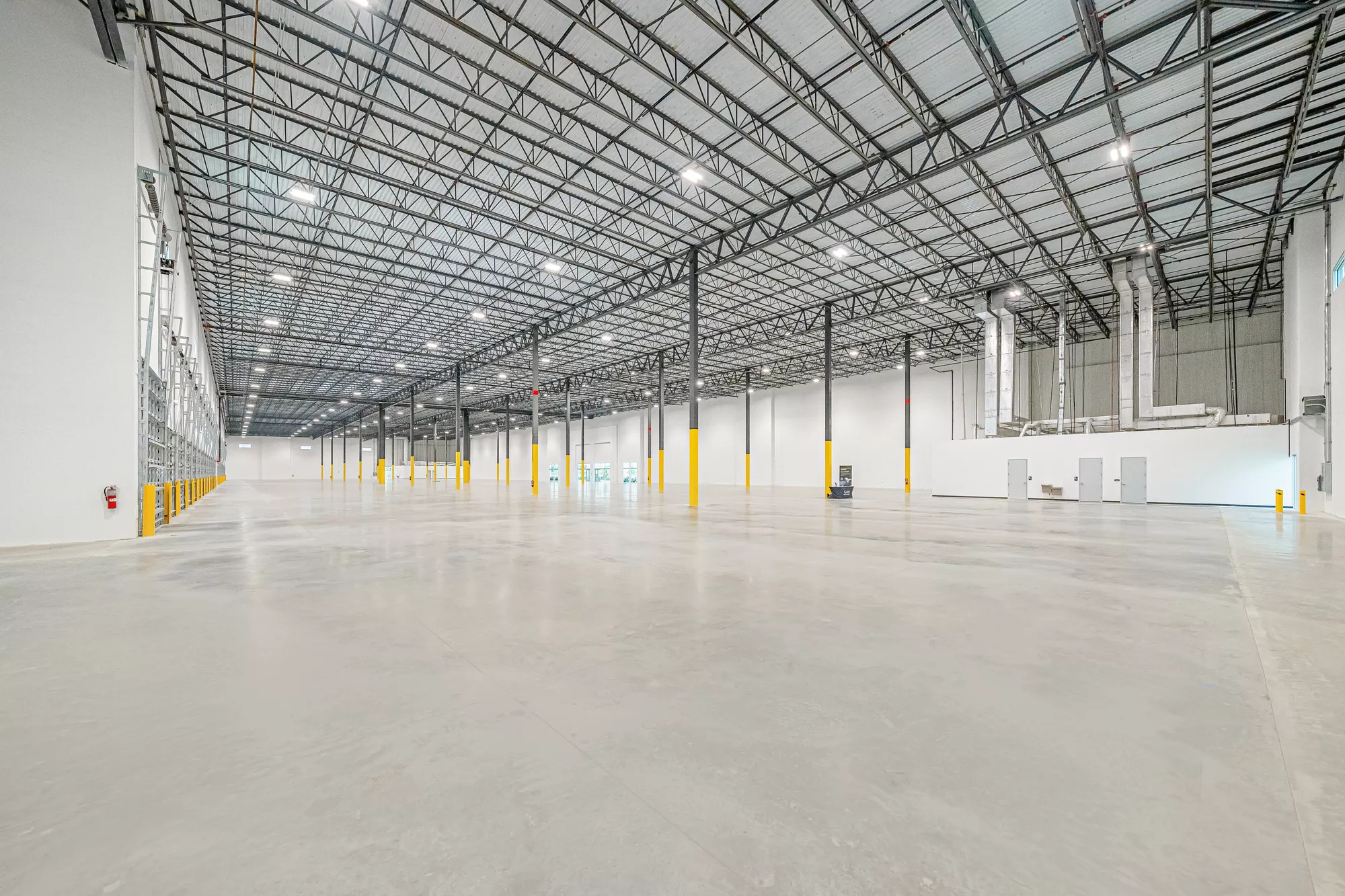
Tucson's position at the I-10 and I-19 interchange, combined with Union Pacific's intermodal terminal on the south side, makes it one of the significant logistics crossroads in the Southwest. Amazon, UPS, FedEx, and regional distribution operators run large-footprint facilities in the Tucson metro that require roofing contractors who understand operational continuity, dock-access coordination, and pre-monsoon readiness.
Tucson's logistics and distribution sector is driven by the intersection of Interstate 10 - the primary Phoenix-to-El Paso freight corridor - and Interstate 19 running south toward Nogales and the Mexican border. Union Pacific's intermodal terminal on the south side of Tucson connects rail freight to truck distribution for regional and trans-border operations. Amazon operates a significant distribution center in the Tucson metro, with UPS and FedEx running major sorting and hub facilities that process significant daily package volumes across the southern Arizona region.
Large-footprint distribution and logistics buildings in Tucson present roofing challenges that office and retail construction does not. A 500,000-square-foot distribution center has a flat roof that acts as a solar heat collector in the Sonoran Desert - rooftop surface temperatures exceeding 170°F on dark membranes are common in July and August, driving HVAC loads and accelerating membrane degradation at a rate manufacturers' moderate-climate service-life tables do not anticipate. Drain systems on these buildings must handle monsoon-season peak flows that can reach significant intensity in under an hour. A blocked drain on a large warehouse roof during a monsoon event is not a minor problem - ponding water weight on a flat deck at scale can cause structural concerns and any intrusion into active inventory is a direct operational cost.
Our sequencing on logistics facility roofing accounts for the operational reality of a building that does not stop. Receiving and shipping docks run around the clock on Amazon and UPS facilities. Crane access for membrane and insulation delivery cannot block truck lanes or dock positions. We plan material staging, crane placement, and crew entry routes in the pre-construction meeting with the facility manager and document them in the written project schedule before any work begins.
Drain Systems on Large Tucson Warehouse Roofs
A 400,000-square-foot flat roof in Tucson can accumulate significant ponding load during an intense monsoon event if primary drains are blocked or undersized. Monsoon convective cells can deliver an inch of rainfall in forty minutes - on a large warehouse roof, that is a substantial volume of water that must reach the drain bowls faster than it accumulates. We inspect and document every primary and overflow drain on large logistics roofs before we write a scope, noting any drain bowl elevation changes from structural settlement or thermal movement, any debris accumulation in drain sumps, and the condition of drain strainers and clamping rings.
Pre-monsoon drain service in June is the highest-return maintenance investment for any large Tucson logistics facility. We clear drain bowls and sumps, flow-test primary and overflow drains, and produce a written drain condition report with photographs keyed to a roof zone diagram. Facility managers on our maintenance program receive this report before the first monsoon event of the season. A drain clearing that costs a few hundred dollars prevents ponding events that can damage inventory and require emergency dry-in response at multiples of that cost.
For Amazon and UPS facilities with interior drain systems routed through the building slab, we coordinate drain service with the facility's maintenance team to avoid water discharge into active operational areas. Some large distribution centers in the Tucson market route roof drainage through internal downspouts that discharge at grade-level inside the dock apron - cleaning those drains requires building access coordination with the facility manager.
Operational Continuity on Active Distribution Facilities
Logistics facilities in Tucson do not have non-operational periods in the conventional sense. An Amazon distribution center running peak-season fulfillment, a UPS hub during pre-holiday sorting volume, or a FedEx service center on a Monday morning are environments where roofing contractor activity must be invisible to operations. Our pre-construction deliverable for any active distribution facility is a written staging plan that shows crane placement relative to dock positions, crew entry and exit routes that do not cross active truck lanes, and a material delivery schedule that routes to a designated staging area without blocking inbound or outbound freight.
Odor-generating operations - torch-applied modified bitumen, hot asphalt, solvent-based adhesives - require advance notice to the facility manager and, in temperature-controlled Cold-applied and mechanically attached systems are the preferred specification for active occupied distribution facilities in Tucson for this reason.
The I-10 and I-19 industrial corridors in Tucson - Butterfield Drive, Drexel Road, and the south-side industrial parks - include older logistics and manufacturing buildings with original BUR systems that are approaching or past their first major reroof cycle. Some of these buildings have not had formal roof inspections in years and carry deferred maintenance that requires documentation before a scope can be written. We conduct a condition survey and moisture-core assessment before presenting any scope on a building with unknown roof history.
Reflective Systems for Tucson Logistics Buildings
Energy cost is a meaningful operational line item for Tucson distribution centers that run large refrigeration, freezer, or climate-control systems. White TPO or white PVC membranes reduce rooftop surface temperatures by 50 to 70 degrees compared to dark or weathered gray membranes, which translates directly to reduced HVAC load in buildings with significant climate-control requirements. Arizona IECC 2018 energy code mandates minimum solar reflectance values for new commercial roofs in Climate Zone 2 - our specifications include the reflectivity documentation required for permit compliance.
Silicone restoration coatings are increasingly common on Tucson logistics roofs where the insulation is dry and the membrane substrate is intact. A properly specified silicone coating system applied over a sound existing membrane adds 10 to 15 years of service life at roughly one-third the cost of full tear-off and replacement. We pull moisture cores before recommending any coating project and document the core results - coating over wet insulation voids the coating warranty and traps moisture that accelerates deck corrosion under the Sonoran heat cycle.
For Union Pacific intermodal-adjacent facilities and the south-side industrial corridor, rooftop UV exposure from elevation and unobstructed solar access means membrane degradation runs faster than in northern markets. We account for this in our remaining-service-life assessments and in our specification of warranted systems on new work. Mechanical attachment of single-ply membrane is standard in the open-exposure industrial corridors of south Tucson, where wind uplift from I-10 corridor channeling is a consideration.
Frequently asked questions
How do you sequence roofing on an active Amazon or FedEx facility in Tucson?
We produce a written staging plan before any work begins - crane placement relative to dock positions, crew entry and exit routes that do not cross active truck lanes, and a material delivery schedule routed to a designated staging area. Production sections are sized and sequenced to avoid blocking any dock position for more than the duration of that section's work window. We coordinate the written plan with the facility manager and document approval before mobilization.
What do you do to prepare a Tucson warehouse roof for monsoon season?
Pre-monsoon inspection in June includes clearing and flow-testing all primary and overflow drains, probing field seams and parapet flashing laps for any UV-degraded areas, and producing a written punch list with photographs keyed to a roof zone diagram. Drain clearing is the single highest-return item - a blocked drain on a large flat warehouse roof during a Tucson monsoon event can accumulate enough ponding load to create structural concerns, and any intrusion into active inventory is a direct operational cost.
Can you work on a 24-hour logistics facility without disrupting operations?
Yes. The pre-construction staging plan is what makes this possible - it defines exactly where crews work, how materials arrive, and how crane placement relates to dock activity before the first day of production. For odor-generating operations, we give the facility manager advance notice and coordinate with building management on HVAC return-air handling. Cold-applied and mechanically attached systems are often specified on active distribution facilities in Tucson for precisely this reason.
Is reflective membrane required for a Tucson distribution center?
Arizona IECC 2018 mandates minimum solar reflectance values for new commercial roofs in Climate Zone 2, which covers Tucson. Beyond code compliance, reflective TPO or PVC reduces rooftop surface temperatures by 50 to 70 degrees compared to dark membranes, which reduces HVAC load in buildings with climate-control requirements. We include the reflectivity documentation required for permit compliance in every scope package.
Need a roofing scope for a Tucson logistics or distribution facility?
Our project managers will walk the roof, assess drain condition, pull moisture cores, and produce a written scope that accounts for your operational schedule, dock access requirements, and pre-monsoon readiness needs.
Ready to talk through a roof?
Tell us about the building and the roof problem. We'll document it and put a plan in writing - with an honest repair-vs-replace recommendation and no upsell pressure.
Documented, repair-first commercial & industrial roofing across Tucson and Pima County. Flat and low-slope systems for occupied buildings, planned around your operation.
Services
© 2026 Commercial Roofing Contractors Tucson. All Rights Reserved. Privacy Policy · Terms of UseSite Map