
Education Facility Roofing in Tucson
Commercial roofing for Tucson school districts and universities - TUSD, Vail, Catalina Foothills, Sahuarita, Sunnyside, Marana, University of Arizona, Pima Community College, and DMAFB Tech Center - with public procurement compliance and summer-window sequencing.
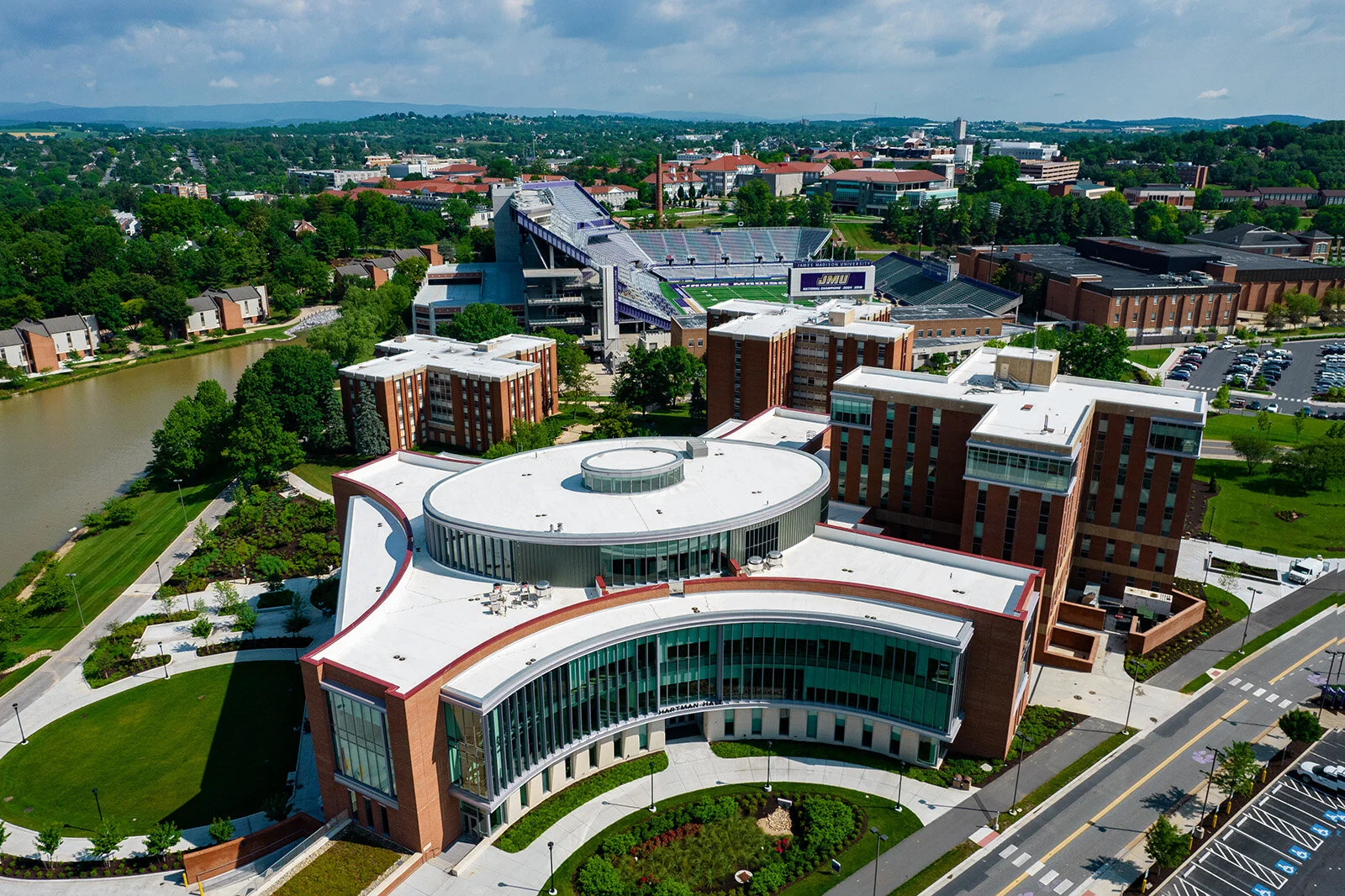
Pima County's education sector spans Tucson Unified, Vail, Catalina Foothills, Sahuarita, Sunnyside, and Marana school districts - plus the University of Arizona with 45,000 students, Pima Community College's multi-campus system, and the DMAFB Tech Center. Roofing on this portfolio means public procurement compliance, summer-window production discipline, and a documented understanding of occupied-building scheduling constraints.
The education facility roofing market in Pima County is one of the most substantial in southern Arizona. Tucson Unified School District - the largest K-12 district in the county - operates dozens of campus buildings ranging from 1920s masonry elementary schools to modern performing arts centers and athletic facilities. The Vail Unified, Catalina Foothills, Sahuarita, Sunnyside, and Marana school districts serve the growth corridors ringing Tucson's core and have newer building inventory that is reaching the 15-to-25-year first-reroof milestone. The University of Arizona's main campus along University Boulevard holds one of the densest concentrations of large-footprint academic, research, and athletic buildings in the Southwest - many of them managing their first or second major reroof cycle under the oversight of UA Facilities Management.
Public procurement compliance is the foundational requirement for any school district or university roof project in Pima County. TUSD, Vail, and the other K-12 districts procure roofing services through competitive bid processes governed by Arizona Revised Statutes public procurement requirements. The University of Arizona and Pima Community College have their own procurement frameworks - UA operates through its Facilities Management department with campus-specific contractor qualification requirements. We are familiar with the documentation and bonding requirements across these procurement systems and do not take on public education projects without the proper documentation in place.
The summer work window is the operational reality that drives everything else on school district roofing in Tucson. Most K-12 school buildings in Pima County are occupied from mid-August through late May. The window for major roof replacement work - tear-off, insulation, membrane installation - runs from the last week of May through the first week of August. In Tucson, this window lands directly in monsoon pre-season and the early weeks of the monsoon itself, which requires disciplined dry-in protocol and aggressive pre-monsoon drain preparation.
Summer Window Execution on Tucson School District Roofs
A TUSD elementary school with 40,000 square feet of flat roof needs to be torn off, dried in, insulated, and fully membraned before students return in mid-August. In Tucson, that 10-to-12-week window runs from late May through early August - exactly when the monsoon season begins. Our monsoon dry-in protocol applies on every school project: no section open overnight during monsoon, daily tear-off sections sized to what we can dry in before crew departure, and a written sequencing plan delivered to the district facilities director before production starts.
Marana and Vail Unified districts - which serve the rapidly growing northwest and southeast corridors of the Tucson metro - have newer building inventory with less deferred maintenance than the older TUSD stock, but their growth means they are commissioning new roofing work on a regular cycle. Newer TPO systems in the 15-year range in these districts often need comprehensive maintenance programs rather than replacement - we assess condition, pull moisture cores, and recommend maintenance or replacement on a building-by-building basis rather than portfolio-wide assumptions.
Sahuarita and Sunnyside districts serve lower-elevation Tucson communities where summer ambient temperatures are at their highest and rooftop surface temperatures on dark membranes can exceed 175°F. Reflective membrane specification and proper insulation R-value stacking are not optional choices on these districts' facilities - they are required for Arizona IECC 2018 compliance and for membrane longevity under the most severe conditions in the Tucson metro.
University of Arizona Campus Roofing
The University of Arizona's main campus with 45,000 students is one of the largest roof-management portfolios in southern Arizona. UA Facilities Management oversees all roof work on the main campus and UA Tech Park - contractors work within their procurement framework, submit project documentation to the UA facilities management system, and coordinate scheduling with UA project managers. Campus building stock ranges from century-old masonry structures - McKale Memorial Center and the 1930s-era academic buildings along Mall - to modern research facilities built in the 2010s and 2020s. Each end of that spectrum has different scope requirements.
UA research buildings - the BIO5 Institute, Biosciences Research Laboratories, and the chemistry and engineering research complex - carry laboratory exhaust and fume ventilation penetrations that require industrial flashing specifications. We work with UA Facilities Management and the building's principal investigator or lab manager to identify any exhaust penetration that carries hazardous chemical fumes before specifying a flashing detail for that penetration.
McKale Center and the athletic facilities along Second Street present roofing challenges specific to large-span athletic construction - significant structural movement from the large clear-span roof areas, rooftop mechanical serving an occupied arena floor, and scheduling constraints around the athletic calendar. We coordinate with UA Athletics and UA Facilities Management on work windows that avoid major athletic events and commencement activities.
Pima Community College and DMAFB Tech Center
Pima Community College operates campuses at West Campus on West Ajo Way, Desert Vista campus in south Tucson, East Campus on East Broadway, Northwest Campus on North Shannon Road, and the Downtown Campus adjacent to the Convention Center. PCC's public institution status means procurement through its own governing board process - we are familiar with PCC's contractor requirements and submit the required prequalification documentation before bidding any PCC project.
PCC facilities range from 1960s community college construction at the West Campus to modern facilities built during the district's recent growth periods. Older buildings in the PCC portfolio carry modified bitumen and BUR systems on original construction - many at the point where recover strategies are no longer cost-effective and full replacement is the right capital call. We assess each building individually and present the core data that supports the recommendation.
The Davis-Monthan AFB Tech Center - the education and training facility that serves DMAFB personnel and their families - is a federal facility requiring contractor access coordination through base contracting. We are familiar with the DMAFB contractor access process and factor base coordination timelines into project schedules for Tech Center work.
Frequently asked questions
How do you sequence a Tucson school district roof project within the summer window?
We size daily tear-off sections to what we can dry in before crew departure, because monsoon season overlaps with the summer school break window. For a 40,000 square foot elementary school, the written sequencing plan delivered to the district facilities director before production starts specifies daily section sizes, dry-in method, and the monsoon-response protocol if a storm warning is issued during production. No section is left open overnight during monsoon season.
Are you familiar with TUSD or Pima County school district procurement requirements?
Yes. Arizona Revised Statutes public procurement requirements govern K-12 school district roofing contracts. We are familiar with the documentation, bonding, and competitive bid requirements across TUSD, Vail, Catalina Foothills, Sahuarita, Sunnyside, and Marana district procurement processes. We do not take on public school district projects without the proper bonding and documentation in place.
Do you work on University of Arizona campus buildings?
Yes. UA Facilities Management oversees all roof work on the main campus and Tech Park. We work within UA's procurement framework, submit project documentation to their facilities management system, and coordinate scheduling with UA project managers. Building stock ranges from century-old masonry construction to modern research facilities - we are experienced with both ends of that spectrum.
What membrane system is standard for Tucson school buildings?
White TPO is the standard membrane specification for Tucson K-12 and university buildings built after 2000. Arizona IECC 2018 mandates minimum solar reflectance for new commercial roofs in Climate Zone 2 - reflective membrane is a code requirement, not just a performance preference. For older buildings with sound insulation and intact substrates, a silicone coating system is often the most cost-effective capital strategy before full replacement is required.
Need a roofing scope for a Tucson school district or university building?
Our project managers are familiar with the procurement requirements, summer-window constraints, and occupied-building scheduling demands of Pima County education facilities. We will walk the roof and produce a written scope that fits your district's capital plan and compliance requirements.
Ready to talk through a roof?
Tell us about the building and the roof problem. We'll document it and put a plan in writing - with an honest repair-vs-replace recommendation and no upsell pressure.
Documented, repair-first commercial & industrial roofing across Tucson and Pima County. Flat and low-slope systems for occupied buildings, planned around your operation.
Services
© 2026 Commercial Roofing Contractors Tucson. All Rights Reserved. Privacy Policy · Terms of UseSite Map