
Food Processing and Cold Storage Roofing in Tucson, AZ
Roofing for food processing plants, cold storage facilities, and distribution centers throughout Tucson, AZ.
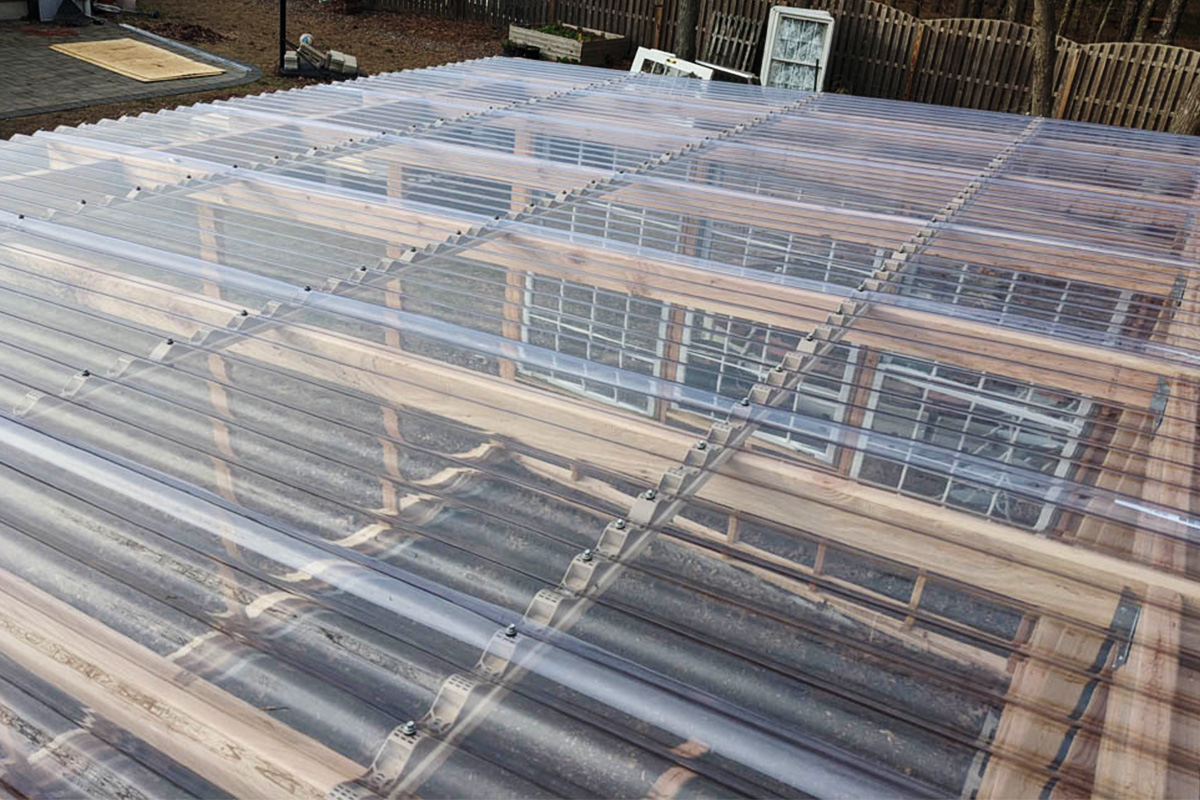
Tucson's food production and distribution infrastructure occupies a unique position at the intersection of the Sonoran Desert's agricultural bounty and the supply chain demands of a mid-sized city serving a diverse population. Sysco Tucson's distribution center supplies food service operators across Southern Arizona, managing temperature-sensitive product in a climate that imposes extreme thermal demands on cold chain infrastructure year-round. Farmer's Investment Co. (FICO), headquartered in Sahuarita south of Tucson, is one of Arizona's largest pecan growers and processors, with handling and storage facilities that require careful moisture and temperature management to protect pecan quality during shelling, processing, and storage. Tohono O'odham commercial farming operations, emerging as significant agricultural producers in the Tucson basin, bring cold storage and processing facility development to communities that are now building food supply chain infrastructure for the first time. Together, these operations represent the breadth of Tucson's food facility roofing market.
Tucson's climate sits at 2,400 feet elevation in the Sonoran Desert, sharing much of Phoenix's extreme heat and low humidity but with some important distinctions. Tucson's higher elevation modestly reduces peak temperatures (typically reaching 104-108°F vs. Phoenix's 115°F+) and its monsoon season delivers more reliable and intense rainfall than Phoenix-roughly 12 inches annually versus Phoenix's 8 inches, with most of it concentrated in July and August. Vapor drive in Tucson is outward from conditioned spaces toward the hot, dry exterior for most of the year, with the same clear warm-side vapor retarder placement that applies throughout the desert Southwest. The monsoon season creates brief periods of elevated exterior humidity that should be factored into assembly design but do not alter the fundamental vapor management strategy for cold storage.
Sysco Tucson's distribution operation handles refrigerated, frozen, and dry goods for food service customers across a large geographic territory, including some of the most remote restaurant and institution customers in Southern Arizona. Cold chain integrity at Sysco Tucson depends on roofing systems that maintain thermal stability in a climate where summer nights bring only marginal cooling-70°F or higher-meaning refrigeration systems run continuously, 24 hours a day, with no overnight recovery period. Freezer rooms at Sysco Tucson operating at 0°F to -10°F require R-45 to R-55 roof assemblies to manage the extreme summer heat load. As with Phoenix, cool roofing is an operational imperative rather than a luxury, and white TPO or PVC membranes with SRI above 100 are the standard specification for new roofing and re-roofing at Tucson food distribution facilities.
Farmer's Investment Co.'s pecan processing facilities in the Sahuarita area present a roofing environment that is less commonly understood than traditional cold storage. Pecan shelling, processing, and storage operations involve fine organic dust that accumulates on rooftop surfaces near exhaust vents, creating a fire and contamination risk if rooftop conditions are not maintained. Pecan oil vapors from processing exhaust can degrade polyurethane-based sealants over time, making silicone sealants the preferred choice at penetrations and flashing terminations near exhaust vents. Stored pecans are susceptible to rancidity from temperature fluctuations and moisture, so controlled-atmosphere and temperature-stable storage areas require roofing assemblies that provide consistent thermal performance year-round-R-30 or better for ambient-controlled storage, and R-40+ for refrigerated post-processing storage.
FSMA compliance at Tucson food facilities is overseen by FDA's Pacific Southwest district, and Arizona Department of Health Services' Food Safety program handles state-level food facility licensing and inspection. ADHS Food Safety inspectors cover food processors, distributors, and storage facilities across Southern Arizona, and their inspection criteria include building envelope conditions that affect food safety. For Sysco Tucson, which operates under SQF or equivalent GFSI food safety certification, roof maintenance documentation is part of the prerequisite program that auditors review annually. Facilities certified to SQF Code Level 2 or 3 are expected to demonstrate proactive building maintenance management, including documented roof inspections, infrared scan results, and contractor qualification records.
Tohono O'odham commercial farming operations south and west of Tucson are developing cold storage and produce processing facilities as part of a broader economic development initiative on Tohono O'odham Nation lands. These facilities face the same desert roofing challenges as other Tucson-area operations but operate within a sovereign nation jurisdiction that has its own building and food safety regulatory framework, separate from Arizona state authority. Contractors working on Tohono O'odham Nation projects must be familiar with tribal contracting requirements and should expect a permitting and inspection process administered by the tribe's regulatory bodies rather than the City of Tucson or Pima County. Roofing system specifications, however, follow the same desert climate principles regardless of jurisdictional differences.
Tucson's monsoon season (July-September) delivers the most intense rainfall this desert city receives, and roof drainage design must account for events that can deliver 1.5 to 2 inches of rain in an hour. For food facilities with flat or low-slope roofs-the standard in Tucson commercial construction-primary and overflow drain systems must be sized for the 100-year storm intensity and maintained free of debris before each monsoon season. The Tucson monsoon is preceded by the dry May-June "dry heat" period, during which dust, plant matter, and rooftop debris accumulate around drain baskets and scupper openings. A pre-monsoon roof inspection and drain cleaning in late June is an annual maintenance requirement for any food facility in Tucson that wants to avoid interior flooding during the first major monsoon storm of the season.
Energy ROI for cool roofing in Tucson compares favorably with Phoenix, though Tucson's somewhat lower temperatures reduce the absolute magnitude of savings. Tucson Electric Power (TEP) serves most of the Tucson metro, and TEP's commercial rate structure includes demand charges that penalize peak consumption during summer afternoons. A white TPO membrane at a 150,000-square-foot Sysco Tucson campus versus an older dark built-up roof can be expected to save $15,000-$35,000 per year in refrigeration and cooling electricity, with payback on incremental cool roof investment typically in the 4-6 year range. Tucson's higher elevation compared to Phoenix also means slightly lower UV radiation intensity, extending membrane service life and improving the long-term economics of reflective membrane investment.
Commercial roofing contractors serving Tucson food facilities must be licensed by Arizona Registrar of Contractors (ROC), carry general liability and workers' compensation insurance appropriate for the project scale, and demonstrate experience with desert-climate roofing challenges-monsoon drainage design, extreme UV exposure, and the installation constraints that hot weather imposes on adhesive-bonded systems. For Sysco Tucson and FICO facilities operating under GFSI or FSMA-compliant food safety programs, contractors must also provide food facility work plans covering debris containment, tool accountability, and rooftop access coordination with facility food safety coordinators. Contractors without food facility experience routinely underestimate these administrative requirements and create compliance risk for the facility owner.
- How does Tucson's monsoon season affect roof drainage design at food facilities?
- Tucson's monsoon (July-September) can deliver 1.5-2 inches of rainfall per hour during intense convective events. Food facility roofs with flat or low-slope profiles must have primary and overflow drain systems sized for the 100-year storm intensity, not annual average rainfall. The dry May-June period before monsoon onset accumulates debris at drain baskets and scuppers, so pre-monsoon inspection and drain cleaning in late June is an annual maintenance requirement to prevent interior flooding during the first major storm of the season.
- What vapor retarder placement is correct for Tucson cold storage roofing?
- Tucson's Sonoran Desert climate creates outward vapor drive from conditioned interior spaces toward the hot, dry exterior for most of the year. The vapor retarder belongs on the warm side below the insulation, at or near the top of the roof deck. The summer monsoon creates brief periods of elevated exterior humidity but does not alter this fundamental placement strategy. Exterior-side retarders would be counterproductive in Tucson's climate, trapping incidental moisture from monsoon events rather than allowing it to escape.
- What roofing considerations apply specifically to pecan processing facilities like FICO in the Tucson area?
- Pecan processing generates fine organic dust and pecan oil vapors that accumulate near rooftop exhaust vents. Silicone-based sealants should be used at all penetrations and flashing terminations near processing exhaust because pecan oil vapors degrade polyurethane sealants. Rooftop dust accumulation from exhaust near light-colored membrane surfaces should be managed through regular washing to maintain SRI values and cool roof performance. Stored pecan areas require consistent thermal performance with R-30 to R-40+ insulation to prevent quality degradation from temperature fluctuations.
- What regulatory body oversees food facility inspections in Tucson and how does roofing fit in?
- Arizona Department of Health Services Food Safety program licenses and inspects food processors and distributors in Tucson, including Pima County operations. FDA's Pacific Southwest district handles federal FSMA oversight. Facilities operating under GFSI schemes (SQF, BRC, FSSC 22000) are also subject to annual third-party audits that include building maintenance documentation review. Roof conditions that create pest entry, moisture contamination, or temperature excursion risks can be cited by both state inspectors and GFSI auditors, with corrective action timelines that can be very short for high-risk findings.
- How does Tohono O'odham Nation jurisdiction affect roofing contractor requirements for food facilities on tribal lands near Tucson?
- Tohono O'odham Nation has sovereign regulatory jurisdiction over facilities on its lands, separate from Arizona state authority. Roofing contractors must comply with tribal contracting requirements, which may include tribal business licensing, tribal employment preferences, and permits issued by the tribe's regulatory bodies rather than Pima County or City of Tucson. Despite different permitting jurisdictions, the technical roofing specifications for desert climate performance-cool roofing, warm-side vapor retarders, monsoon drainage design-are the same as for any Tucson-area food facility.
Frequently asked questions
Can you work on a live Tucson data center without interrupting cooling systems?
Yes, but it requires the facility manager's active involvement in production scheduling. We build our sequence around the cooling system's maintenance windows and planned low-load periods. We never unilaterally shut down or disturb any mechanical penetration without the facility's written approval for that specific action on that specific date. In Tucson's summer, when cooling systems have no thermal margin, we defer work around active cooling infrastructure to the October-through-April window whenever possible.
How do you handle fiber conduit penetrations at a Tucson data center roof?
We log every fiber conduit penetration before production begins. Each one gets stripped to the deck, a properly-sized pitch pan or curb flashing installed to manufacturer specification, and a secondary water stop placed inside the conduit bore to prevent monsoon-season water intrusion through the conduit path itself. We photograph the completed detail and include it in the penetration manifest delivered at closeout. Crew members are instructed to not route tools or equipment across conduit bundles.
Does Tucson's monsoon season create specific risks for data center roofs?
Yes. A data center roof that has been baking under Sonoran Desert heat all summer faces its greatest water-infiltration risk during the first intense monsoon events of July - membrane seams thermally stressed, sealants dried, parapet flashings near the end of their cycle. Pre-monsoon inspection and drain clearing in June is the most cost-effective protective measure for any Tucson data center. We document drain condition, probe-test exposed seams, and produce a written pre-monsoon punch list as part of our annual maintenance program.
Do you handle data centers at the UA Tech Park?
Yes. UA Tech Park buildings on Rita Road range from standard commercial office to mission-critical computing and defense-sector R&D environments. We coordinate work schedules with individual tenant security requirements, obtain required contractor registrations before mobilization, and document access coordination in the project pre-construction record. UA Facilities Management requirements apply to buildings managed under the Tech Park's university oversight framework.
Need a roofing scope for a Tucson data center or tech facility?
Our project managers will walk the roof, inventory penetrations, and produce a written scope that accounts for your
Ready to talk through a roof?
Tell us about the building and the roof problem. We'll document it and put a plan in writing - with an honest repair-vs-replace recommendation and no upsell pressure.
Documented, repair-first commercial & industrial roofing across Tucson and Pima County. Flat and low-slope systems for occupied buildings, planned around your operation.
Services
© 2026 Commercial Roofing Contractors Tucson. All Rights Reserved. Privacy Policy · Terms of UseSite Map