
Roof Condition Reports in Tucson, AZ
Written commercial roof condition reports for Tucson buildings - zone diagram, photo log, and prioritized scope in three depth tiers matched to insurance, transaction, and institutional lender requirements.
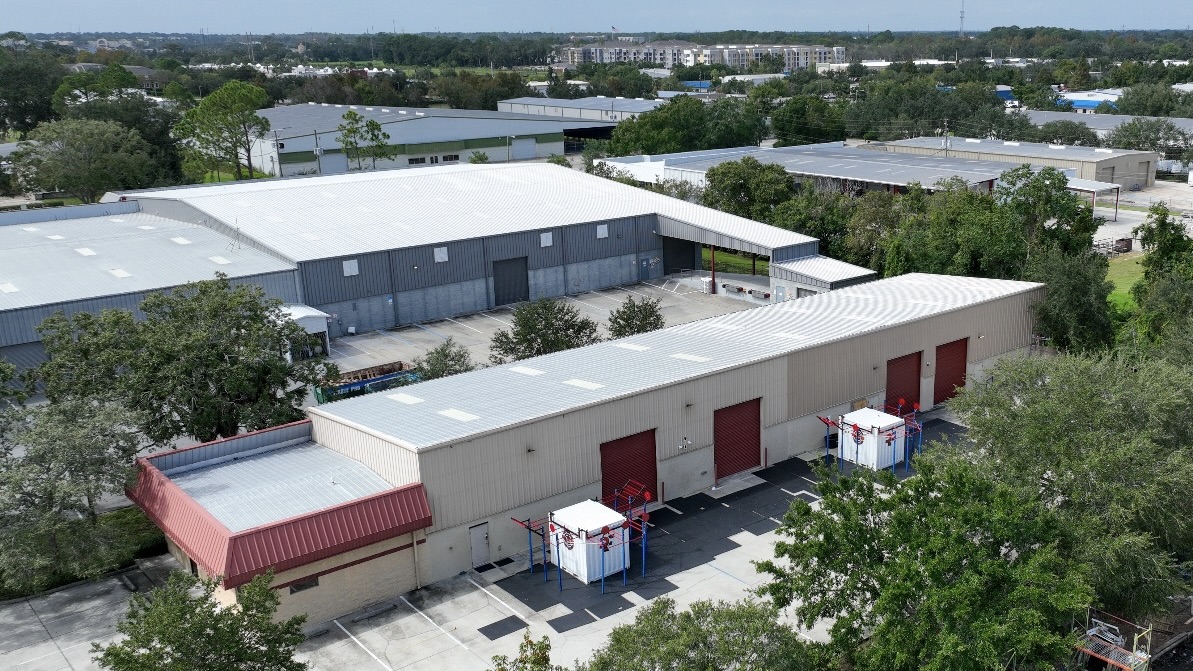
A roof condition report is a written, photo-documented assessment of a Tucson commercial roof's current state - what system is on the roof, what the Sonoran Desert has done to it, what it needs, and how long it reasonably has before capital replacement. We produce three report depth tiers matched to what the owner, buyer, lender, or institution actually needs from the document.
The most common request we get from Tucson commercial real estate attorneys, property managers, and institutional facilities teams is for a roof condition report that is actually useful - not a one-page checklist with generic language. A useful report tells the reader what system is on the roof, when it was installed, what condition it is in across every zone of the building, what repairs or actions are needed and on what timeline, and what the roof's remaining service life estimate is under Tucson's specific UV and monsoon cycle. It should be readable by someone who has never been on a flat roof.
We produce condition reports in three depth tiers. The basic tier covers single-building inspections needed for insurance renewal, quick facility manager documentation, or pre-lease roof disclosure. The comprehensive tier covers due diligence on asset sales, insurance claims, or ownership transitions where a complete written record is required. The capital-grade tier covers institutional lenders, UA Facilities Management documentation requirements, CMBS portfolio reviews, and any situation where the report will be reviewed by multiple parties over multiple years and where methodology and defensibility matter as much as findings.
Every tier shares the same physical inspection: a complete roof walk with the zone diagram, photo log, pre-monsoon punch list, and condition rating scale. What differs between tiers is the depth of the written narrative, the scope of historical documentation, the capital horizon analysis, and the report certification.
What Every Tucson Condition Report Contains
Zone diagram: a to-scale plan of the roof divided into inspection zones, with all drains, scuppers, overflow drains, penetrations, rooftop equipment, parapets, and access hatches marked. Every finding and every photo is keyed to a location on the diagram so the reader can orient condition findings spatially. We produce the zone diagram in the field during inspection and refine it from satellite imagery and field measurements before delivering the report. On Tucson campus buildings with complex multi-zone roofs - the UA research buildings, the Banner UMC Tucson complex - the zone diagram is the document that makes the rest of the report navigable.
Photo log: every material finding is documented with a wide-shot establishing the location and a close-up showing the condition detail or deficiency. Photos are labeled with the zone reference and the finding description. A comprehensive Tucson condition report on a 50,000 sq ft building typically produces 80-130 photos; parapet flashings and penetration flashings receive individual photo coverage given their elevated UV degradation risk in the Sonoran Desert. Every photo carries an embedded timestamp.
Scope columns: findings are organized into three priority columns - Immediate (repair within 30 days, typically open seams, failed flashings, or blocked drains before monsoon season), Near-Term (repair within 90 days), and Capital (replacement planning within 1-5 years). The Immediate column on a Tucson pre-monsoon report carries particular urgency; an open flashing in May becomes a significant water infiltration event by July.
Report Depth Tiers for Tucson Institutions and Property Owners
Basic condition report: physical inspection, zone diagram, photo log, one-to-two-page written summary with scope columns. Turnaround three to five business days after site visit. Appropriate for insurance renewal documentation, quick asset review, internal facility manager documentation, and pre-lease roof disclosure. Not formatted or certified for lender underwriting or institutional asset-sale due diligence.
Comprehensive condition report: everything in the basic tier plus a full written narrative - system description, installation history where available, condition analysis by zone, deficiency descriptions with cause analysis, repair recommendations with methodology, and remaining service life estimate under Tucson's Sonoran Desert exposure. Eight to fifteen pages of report plus photo log and zone diagram. Turnaround seven business days. Appropriate for asset-sale due diligence, This is the tier we produce for most Tucson commercial property transactions.
Capital-grade report: everything in the comprehensive tier plus: documentation of the inspection methodology, chain of custody on all physical samples, historical system research including permit records from the City of Tucson Development Services Center's online portal and Pima County records, capital replacement cost estimate prepared to a specified accuracy level, and a signed certification of the inspector's qualifications. Turnaround ten to twelve business days. Used by institutional lenders, CMBS servicers, buyers' due diligence teams, and UA Facilities Management on major campus building assessments. Formatted to ASTM E2018 standard when the lender or institution specifies it.
When a Condition Report Is Needed in Tucson
The most common triggers in the Tucson market: commercial real estate transactions (a buyer or their lender requires an independent roof assessment before closing), insurance renewals where the carrier requires documented roof condition as a policy condition, post-monsoon storm damage documentation for insurance claims, and capital planning exercises where a UA facilities committee or Banner Health facilities management team needs a third-party assessment to support a capital replacement request.
Property management companies taking on new Tucson buildings commonly request condition reports at portfolio entry - establishing a baseline protects the property manager from being responsible for pre-existing conditions they inherited. For Tucson properties acquired from owners who deferred maintenance during Tucson's recent commercial market cycles, the as-found condition report at acquisition is the starting document for every subsequent capital conversation.
Tucson-specific records note: the City of Tucson Development Services Center maintains permit records online, but records prior to approximately 2005 require requests through the Development Services counter and have variable retrieval times. For capital-grade reports on Tucson buildings built before 2000 - the Congress Street downtown corridor, the older UA campus structures, the midtown Broadway medical-office buildings - we recommend allowing additional time for records research. Older installation documentation is frequently unavailable, and remaining-life estimates must be based on field evidence and physical condition rather than documented installation date.
Frequently asked questions
How long does a Tucson commercial roof condition inspection take?
Field time depends on building size and roof complexity. A straightforward 30,000 sq ft single-story flat roof with standard penetration count and good access: two to three hours in the field. A 120,000 sq ft multi-zone institutional roof with heavy HVAC equipment, complex parapet sections, and multiple access points - common on UA campus and hospital buildings: five to seven hours. We quote field time before scheduling and confirm access requirements and any facility-specific protocols with the facility contact.
Can your condition report be used by an institutional lender or the University of Arizona Facilities Management?
A comprehensive or capital-grade report, yes. Basic reports are not formatted or certified for institutional review. If the report is for CMBS underwriting, a UA capital project review, or a Banner Health facilities approval, specify the capital-grade tier and give us the institution's documentation requirements - we will tailor the format, certification language, and methodology documentation to what the institution's review process requires.
What if the inspection finds problems the owner did not know about?
We report what we find, without softening findings to protect a transaction or a relationship. If the Tucson roof has active flashing failures heading into monsoon season or wet insulation across a significant portion of the field, we document it completely and present it clearly - including the immediate-action scope and the capital implications. A condition report that omits significant problems serves no one who relies on it.
Need a written roof condition report for a Tucson commercial building?
Tell us the building, the purpose of the report, and your timeline - we will scope the right tier, schedule the inspection, and deliver the written report within the agreed turnaround.
Ready to talk through a roof?
Tell us about the building and the roof problem. We'll document it and put a plan in writing - with an honest repair-vs-replace recommendation and no upsell pressure.
Documented, repair-first commercial & industrial roofing across Tucson and Pima County. Flat and low-slope systems for occupied buildings, planned around your operation.
Services
© 2026 Commercial Roofing Contractors Tucson. All Rights Reserved. Privacy Policy · Terms of UseSite Map