
Parapet Wall Repair in Tucson, AZ
Commercial parapet wall repair for Tucson buildings - coping cap replacement, counterflashing and reglet repair, base flashing rebuild, and masonry sealant restoration on flat-roof commercial buildings across Pima County.
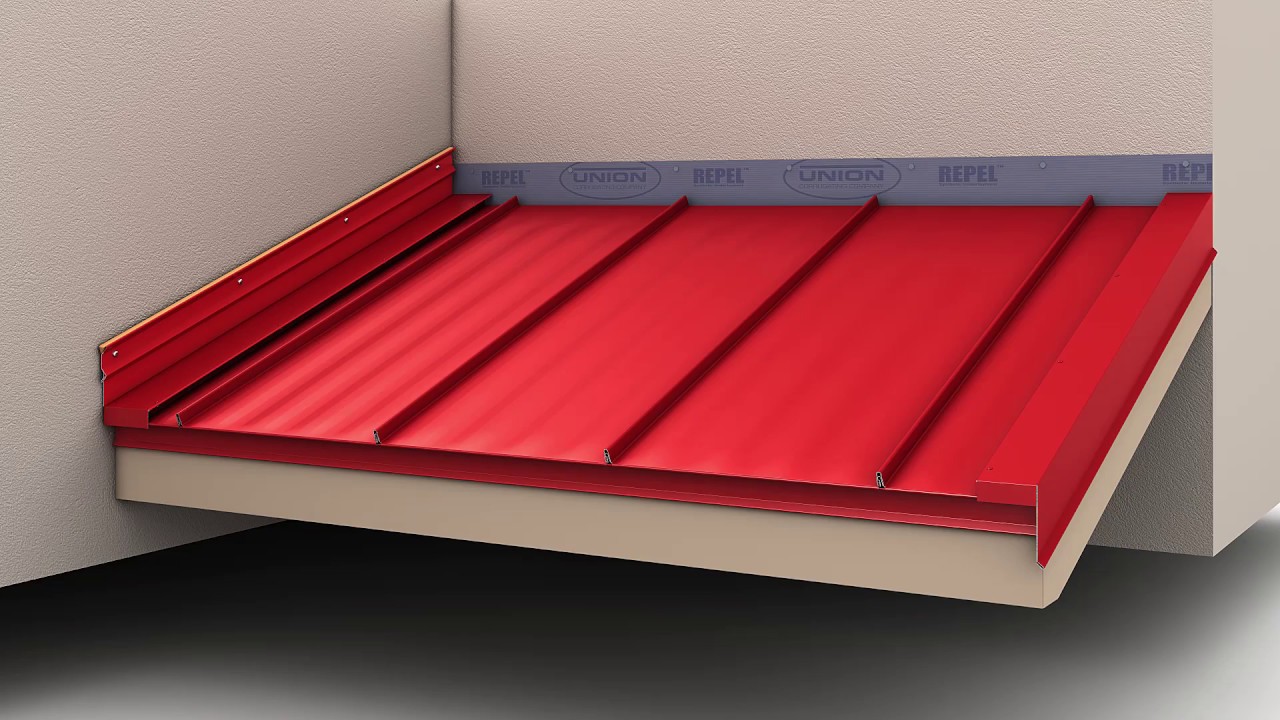
The parapet is where most Tucson commercial flat roofs fail. UV desiccates the base flashing sealant, coping joints open under thermal cycling, and the first monsoon event of the season enters at every gap the summer left open. We repair the full assembly - not just the component that is visibly failing.
The parapet wall is the vertical perimeter of a commercial flat roof, and it is the highest-probability leak zone on most Tucson commercial buildings. It sits at the intersection of three systems - the roof membrane, the wall cladding, and the structural framing - and it is exposed to UV on two faces, extreme thermal cycling across its full height, and the directional wind load that the Santa Catalina and Rincon mountain corridors channel across the Tucson basin. In the Sonoran Desert, parapet flashings receive direct solar radiation from the low-angle morning and afternoon sun that horizontal membrane surfaces avoid - making them the first component on any Tucson commercial roof to show UV degradation.
Parapet repair is not a one-trade job. The coping cap is typically sheet metal or precast concrete. The base flashing is the roofing membrane's vertical run up the parapet face. The counterflashing or reglet terminates the base flashing into the wall face. Doing the repair correctly means addressing all three together, not patching the component that is visibly failing while leaving the adjacent components in degraded condition.
We have repaired parapets on industrial buildings in the Tucson Airport Authority corridor along Tucson Boulevard, on medical office buildings in the Broadway-Alvernon medical corridor, and on retail and office buildings from the Downtown core to the Oro Valley commercial district. The Sonoran climate varies across those locations, but the repair sequence - assess the full assembly, strip the failed components, restore the primary barrier, restore the secondary termination - does not change.
Coping Cap Repair and Replacement
Metal coping caps on Tucson commercial buildings fail most often at the end laps and at the clip anchors. Lap joints rely on a two-inch overlap and a clip that holds the upper panel against uplift - the thermal cycling from 40°F winter nights to 105°F summer afternoons fatigues those clips over time, the lap opens, and water enters the parapet wall assembly. We pull the failed coping sections, inspect the wood nailer below for UV-driven deterioration or insect damage (both occur in the Sonoran Desert environment), replace the nailer where needed, and reinstall with a continuous-clip system that closes the end-lap gap permanently.
Precast concrete coping on older Tucson commercial buildings - particularly in the midtown medical corridor and the downtown government district, where commercial construction from the 1960s through 1980s is common - fails at the mortar joints between units. Original mortar joints that are four or five decades old have carbonated and cracked through Tucson's thermal cycling. We rake and repoint the joints with an elastomeric polyurethane sealant compatible with the concrete substrate, then apply a penetrating masonry sealer to reduce water absorption through the coping surface.
Any coping replacement also triggers an assessment of the cap's drainage slope. Water should drain off the coping toward the roof, not toward the building exterior face. Coping that has settled level or tilted outward drives water against the wall assembly and accelerates the deterioration of the counterflashing below. We correct the slope during coping replacement work when the existing cap is being removed.
Base Flashing Rebuild
The base flashing is the most labor-intensive component of a Tucson parapet repair because it requires stripping the existing termination, cleaning and priming the substrate, and installing the new flashing in strict accordance with the membrane manufacturer's published detail. On TPO systems, the base flashing runs the membrane up the parapet face a minimum of eight inches above the finished roof surface, with a heat-welded termination bar at the top sealed with manufacturer-compatible caulk into the reglet. On PVC systems, the base flashing is heat-welded to the field membrane and mechanically terminated.
We do not patch base flashings that have separated from the parapet face by more than a quarter inch. Separated flashing re-adhered without stripping carries residual stress from the prior failure and will re-open - often before the first monsoon event. The correct repair strips back to a solid bond point, typically two to four feet below the failure, and installs new membrane from that point up.
Parapet height relative to roof drainage matters on Tucson buildings. Low parapets on buildings without sufficient positive drainage can allow ponding water to reach the base flashing termination point during a sustained monsoon event. When we see this condition, we document it and discuss solutions - tapered insulation to improve drainage, or a raised base flashing detail - at the same time we are doing the flashing repair, because repairing the flashing without addressing the ponding creates the same failure on a shorter timeline.
Masonry Sealant Restoration
CMU and brick parapet walls on Tucson commercial buildings absorb water through the face when the masonry sealer has failed or was never applied. In the Sonoran Desert, masonry sealer fails faster than it would in a northern or coastal market - the UV load and thermal cycling break down the silane-siloxane chemistry faster, and buildings here often go ten or twelve years between applications rather than the five to seven years the manufacturer recommends. Absorbed moisture cycles through the parapet wall, produces efflorescence, and eventually reaches the base flashing through the wall assembly rather than over the top of the coping.
We apply penetrating masonry sealers to parapet wall faces that show efflorescence, spalling, or deteriorated mortar after any repointing work and after verifying the masonry has dried to below 12% moisture content. In Tucson's dry climate, masonry typically dries faster after a rain event than in humid markets, but we do not apply sealer over freshly wetted masonry regardless - trapping residual moisture in a parapet wall accelerates deterioration that the sealer was meant to prevent.
Efflorescence on a Tucson parapet wall is a reliable indicator that water is entering the wall assembly somewhere. It does not always mean the coping or flashing is the entry point - in some cases, the wall face itself is absorbing monsoon rainfall and wicking it through the masonry. We investigate the efflorescence source before specifying the repair, because a base flashing replacement that leaves the wall face unsealed will produce efflorescence again within two monsoon seasons.
Frequently asked questions
How do I know if my parapet is the source of a roof leak versus the field membrane?
Water testing establishes this during the diagnostic walk. If flooding the area immediately below the coping - without wetting the roof field - produces interior water, the leak path is through the coping or counterflashing. This distinction matters because the repair is different, the cost is different, and the warranty implications are different.
Can you repair just a section of coping rather than the full perimeter?
Yes. If the failure is isolated, we repair that section. We do recommend a full-perimeter condition assessment while we are on the roof - it is common on Tucson buildings to find one failing section and two or three more that are one monsoon season from the same failure. Whether you repair them now or plan for them next year is your call, but the information should be in your capital file.
Does parapet repair require a building permit in Tucson or Pima County?
Coping replacement and base flashing repair typically fall below the permit threshold for repair work in the City of Tucson and Pima County. Parapet reconstruction - where the masonry wall itself is being rebuilt rather than just the cap and flashing - requires a permit and structural review. We advise on permit requirements before any work begins.
Parapet leaking or showing visible coping damage in Tucson?
We assess the full assembly - coping, counterflashing, base flashing, and masonry face - and repair the components that are failing, not just the one that is most visible from the roof walk.
Ready to talk through a roof?
Tell us about the building and the roof problem. We'll document it and put a plan in writing - with an honest repair-vs-replace recommendation and no upsell pressure.
Documented, repair-first commercial & industrial roofing across Tucson and Pima County. Flat and low-slope systems for occupied buildings, planned around your operation.
Services
© 2026 Commercial Roofing Contractors Tucson. All Rights Reserved. Privacy Policy · Terms of UseSite Map