
Church and Religious Building Roofing in Tucson, AZ
Commercial roofing for churches, worship centers, and religious facilities throughout Tucson, AZ.
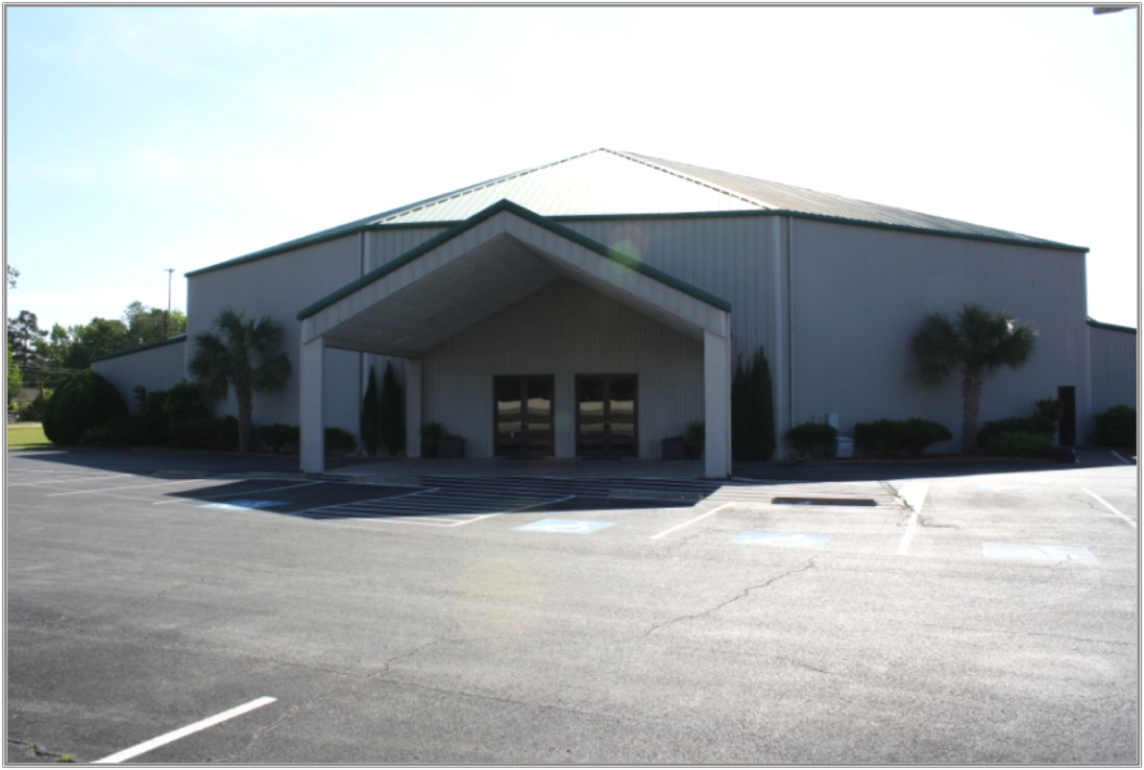
Tucson's religious communities maintain some of the most architecturally ambitious buildings in the region, and few face roofing challenges as demanding as those encountered by congregations like St. Augustine Cathedral, the historic Catholic landmark anchoring downtown Tucson since the 1800s. When a church roof fails in the Sonoran Desert, the consequences extend far beyond a Sunday service disruption-it threatens irreplaceable stained glass, historic timber framing, pipe organs, and the comfort of thousands of worshippers who rely on a properly sealed and insulated envelope year-round.
The Tucson climate presents a paradox that catches many roofing contractors off guard. Summers bring intense monsoon rainfall concentrated into brief, violent downpours capable of dumping two inches in under an hour. The same building that bakes at 108°F in June may need to shed standing water in July within minutes to prevent ponding damage on low-slope sanctuary roofs. Commercial roofing crews who lack desert experience consistently underestimate the expansion and contraction cycles that Tucson's diurnal temperature swings impose on membrane seams, metal flashings, and parapet copings.
Church roofing in Tucson demands specific material compatibility decisions. Modified bitumen and TPO membranes both perform well here, but installation timing matters enormously-adhesives cure differently at extreme temperatures, and manufacturer warranties can be voided by application outside specified temperature windows. We coordinate installations during the cooler morning hours of spring and fall whenever possible, and we maintain strict quality-control documentation that satisfies both manufacturer requirements and the City of Tucson's commercial building permit process.
Many Tucson congregations are housed in Spanish Colonial Revival structures with clay tile roofing on the pitched sections and built-up or single-ply membranes on flat fellowship hall additions. These hybrid systems require a contractor experienced in both traditions. Matching historic tile profiles for repairs, sourcing compatible mortar mixes, and integrating modern flashing systems without altering the appearance of a landmark façade are skills that generalist roofing companies rarely possess. Our crews have worked on missions-era buildings throughout Pima County and understand what historic preservation guidelines require.
Religious organizations in Tucson frequently operate on restricted budgets with deferred maintenance cycles driven by congregational giving patterns. We work with church facility committees to develop phased maintenance plans that prioritize water infiltration risks without requiring a full roof replacement in a single budget year. Core seam repairs, drain replacements, and parapet cap resealing can often extend a membrane's effective life by five to seven years, buying time for a congregation to build reserves for a comprehensive replacement project.
Roof access and logistical planning take on special significance at active houses of worship. Weekend services, Wednesday evening programs, vacation bible school sessions, and daily Mass schedules at larger parishes mean the building is rarely empty. We conduct pre-project site walks with facility managers to map equipment placement around stained glass openings, identify noise-sensitive service times, and plan material staging that avoids blocking accessible parking required by ADA compliance for congregants with mobility limitations.
Ventilation improvements are frequently bundled into church reroofing projects in Tucson because original construction rarely accounted for the mechanical loads of modern HVAC systems added in subsequent decades. When we remove an existing roof assembly, we assess the condition of underlying insulation, vapor retarder placement, and the adequacy of intake and exhaust ventilation. Improving the thermal envelope at the time of reroofing reduces long-term cooling costs-a significant benefit for a congregation funding operations entirely through weekly offerings and endowment draws.
Emergency roof repair response is a genuine need for Tucson churches after major monsoon events. When a flash storm pushes water through a failed flashing or lifts a section of membrane, congregations cannot wait three weeks for a scheduled repair crew. Our Tucson operation maintains an emergency response protocol with same-day tarping and temporary waterproofing capability, followed by a documented damage assessment suitable for submission to the church's property insurer. We assist facility teams with the insurance claim process because we understand that navigating commercial property claims is unfamiliar territory for most volunteer facility committees.
Long-term roof asset management begins with a thorough condition assessment that documents the current state of every roof section, drain, penetration, flashing, and parapet on the property. For multi-building church campuses common in Tucson's growing suburban parishes, this creates a prioritized replacement schedule that the board of trustees can review and approve. We deliver condition reports in plain language, supported by photographs and elevation maps, so that congregational leadership without construction backgrounds can make informed stewardship decisions about one of their most valuable physical assets.
- How do monsoon storms affect church roof warranties in Tucson?
- Most commercial membrane warranties cover material defects and workmanship but exclude damage from extreme weather events classified as acts of nature. We help congregations document pre-storm conditions so that post-storm claims can clearly distinguish between pre-existing wear and storm-caused damage, protecting warranty coverage on recently installed systems.
- Can you match historic clay tile on Spanish Colonial church buildings?
- Yes. We source mission and S-profile clay tiles from regional suppliers who stock profiles compatible with early-twentieth-century Tucson construction, and we use lime-based mortars appropriate for historic masonry substrates rather than modern Portland cement mixes that can crack surrounding historic material.
- What permits are required for a church reroofing project in Tucson?
- The City of Tucson requires a commercial roofing permit for replacements and significant repairs. Projects on buildings listed on the Tucson Historic Landmark inventory or within a historic district also require review by the Historic Preservation Office. We handle permit applications and coordinate any required reviews as part of our project scope.
- How long does a typical church reroofing project take?
- A single-building sanctuary of moderate size typically takes two to three weeks from mobilization to final inspection. Multi-building campuses are phased to keep at least one primary assembly space operational at all times during construction.
- Do you offer financing or deferred payment options for congregations?
- We work with several commercial roofing finance partners who specialize in nonprofit and religious organization clients. We can structure progress-payment schedules aligned with congregational giving cycles and provide documentation required for capital campaign or endowment committee approvals.
Frequently asked questions
Can you coat a BUR roof instead of replacing it?
Sometimes - and in Tucson it is often the right call when the substrate qualifies. We pull moisture cores before making any recommendation. If the insulation is dry, the gravel contact is intact, and there is no active blistering, a silicone coating system with the appropriate BUR primer is frequently the most cost-effective path: typically one-third the cost of tear-off and replacement, with a 10-15 year warranty from the coating manufacturer. If the insulation is wet, coating is not the answer and we say so.
How does Tucson's climate affect BUR faster than other markets?
Sustained UV at Index 11-plus for roughly five months of the year oxidizes the surface bitumen at a faster rate than in northern or coastal markets. The monsoon season then stress-tests seams and flashings that have been UV-cycled all summer. The combination accelerates alligatoring, flashing degradation, and gravel contact breakdown faster than manufacturer service-life tables - which are typically calibrated to moderate-climate exposure - predict. Annual inspection and maintenance is not optional on Tucson BUR systems; it is what determines whether the system reaches the end of its useful life on a planned schedule or fails on a monsoon emergency.
Is new BUR installation an option for Tucson commercial buildings?
Rarely, and we do not recommend it as a first choice. New BUR installation in the Tucson market has been largely supplanted by TPO and silicone coating systems that provide better reflectivity performance in the IECC Climate Zone 2B compliance environment. We can spec and install new BUR where a building's situation specifically requires it - but for most Tucson commercial buildings, a reflective single-ply system or a silicone restoration coating is the more defensible recommendation.
Aging BUR on a Tucson commercial building?
We will walk the roof, pull core cuts, and produce a written assessment - replace vs. coat vs. recover - with system options, installed cost bands, and warranty paths. No obligation.
Ready to talk through a roof?
Tell us about the building and the roof problem. We'll document it and put a plan in writing - with an honest repair-vs-replace recommendation and no upsell pressure.
Documented, repair-first commercial & industrial roofing across Tucson and Pima County. Flat and low-slope systems for occupied buildings, planned around your operation.
Services
© 2026 Commercial Roofing Contractors Tucson. All Rights Reserved. Privacy Policy · Terms of UseSite Map