
Roof Asset Management Program in Tucson, AZ
Multi-building roof asset management for Tucson commercial portfolios - condition data over time, Sonoran Desert degradation tracking, and capital horizon planning for institutional and commercial property owners.
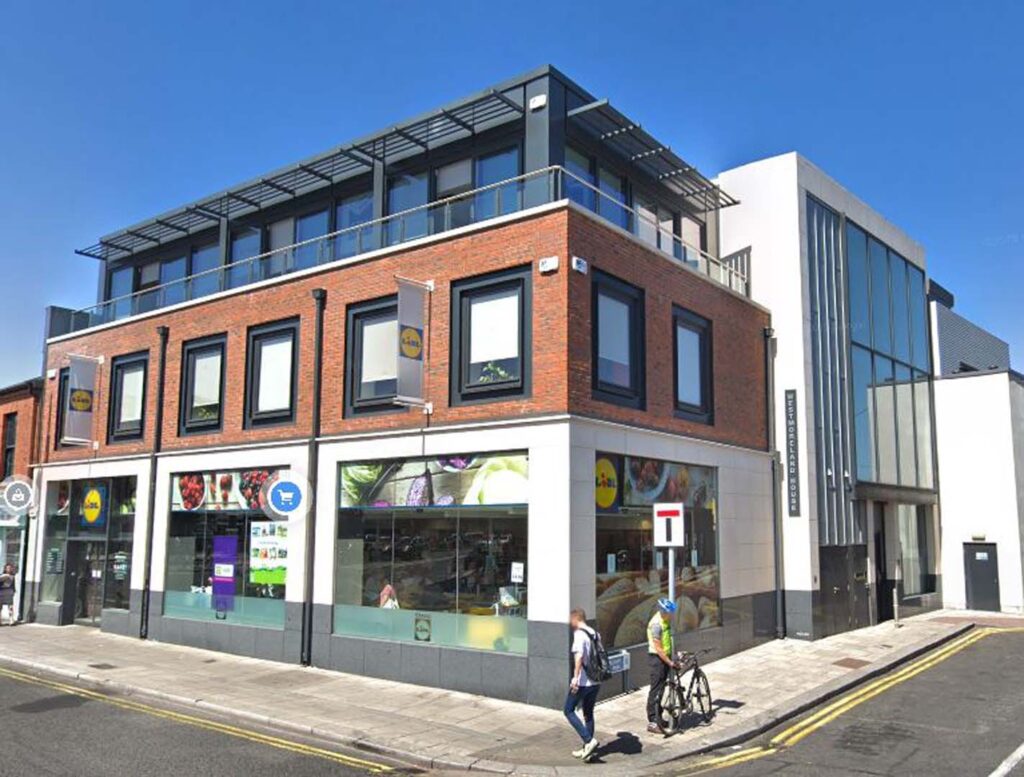
Managing a portfolio of Tucson commercial buildings means managing roof assets that the Sonoran Desert degrades faster than manufacturer service-life tables predict, that monsoon season stress-tests once a year, and that require documented maintenance to keep manufacturer warranties active. Our asset management program replaces reactive roof spending with a planned, data-driven capital approach.
Reactive roofing is expensive roofing in any market. In Tucson, it is more expensive than most: a roof failure that arrives as a surprise during monsoon season creates emergency response costs, interior water damage, disrupted tenants, and a replacement project scoped on urgency rather than conditions - which increases the chance that a recover or coating option is missed in favor of a rushed full replacement. For a property manager with five Tucson buildings, this is an occasional problem. For one managing twenty-plus buildings across the Pima County institutional and commercial portfolio, it is a budget and reporting challenge that recurs every monsoon season.
Our roof asset management program systematically replaces reactive with planned. We inspect every building in the portfolio on a cadence matched to its lifecycle stage - annual for buildings in the last five years of expected service life, biennial for mid-life assets, triennial for new or recently replaced roofs - document condition consistently across all buildings, track condition trends over time, and produce the capital horizon estimates that let ownership plan replacements on a five-to-ten-year forward schedule rather than a sixty-day emergency timeline.
The Tucson institutional portfolio context matters: the University of Arizona campus contains dozens of large-footprint buildings in active reroof cycles. Pima Community College's multi-campus portfolio spans buildings from the 1970s through 2010s. Raytheon's manufacturing and engineering facilities across the Tucson metro, the Davis-Monthan AFB contractor facilities, and the Banner Health campus buildings all carry large roof inventories that benefit from systematic tracking rather than individual reactive inspection. These are the ownership profiles the program serves.
What We Inspect and Document on Each Visit
Every inspection produces a structured condition record for the building's roof asset file. Field inspection covers: membrane condition across all zones - field, flashings, seams, penetrations, parapets - with the parapet flashings rated separately given their elevated UV degradation rate in the Sonoran Desert; drainage performance including drain bowls, overflow drains, scupper condition, and any active ponding zones identified from surface evidence or prior monsoon-season documentation; rooftop equipment condition including curb flashings and foot-traffic impact; and all condition ratings on a consistent scale (Good / Fair / Poor / Failed) with photos keyed to location on the building's zone diagram.
For portfolio accounts running 10 or more Tucson-area buildings, we use a standardized data capture template so condition records are directly comparable across buildings and across inspection years. A property manager overseeing buildings from the Oracle Road corridor, the midtown Broadway/Speedway medical-office strip, and the UA Tech Park can compare condition across properties on a common scale - not three different formats from three different inspection events.
Post-inspection reporting is delivered within five business days of the site visit: the updated condition record, all photos keyed to the zone diagram, any deficiencies found with priority classification (Critical - repair within 30 days / Significant - repair within 90 days / Watch - monitor at next inspection), and the updated remaining-life estimate for each roof zone. Critical items on Tucson buildings include any open seam or flashing failure that the approaching monsoon season will stress.
Capital Horizon Planning - 5 and 10-Year Windows
After two or more inspection cycles on a building, the asset file supports meaningful capital horizon planning. Condition trend data - is the membrane degrading faster or slower than projected under Tucson's UV and monsoon cycle? - combined with the manufacturer's expected service life and current condition rating produces a projected replacement window: not a pinpoint date, but a two-to-three-year range the owner can plan capital budgets against.
For Tucson portfolio owners, we produce a five-year and ten-year capital schedule showing every building in the portfolio, its current condition rating, its projected replacement window, and a rough capital estimate in current-year dollars with a construction cost escalation assumption. This is the document that goes to institutional ownership, university facilities committees, or lenders for capital planning conversations - not a contractor bid, but a professionally documented asset assessment that supports the capital conversation.
Tucson-specific factor in the capital model: silicone coating candidacy is assessed for every building approaching its replacement window. Buildings where the substrate qualifies for coating restoration are flagged in the capital schedule with an alternative cost line - the coating path versus the replacement path - so ownership can evaluate both options at the capital planning stage rather than only at the urgent-replacement stage.
Monsoon Season Preparedness and Warranty Protection
Pre-monsoon inspection is a core annual deliverable in our Tucson asset management program. Every June, before the monsoon season activates, we walk every building in the portfolio: drain bowls and scuppers are cleared, seams and parapet flashings are probe-inspected, any UV-degraded sealants or flashings identified in the prior inspection are confirmed repaired, and a written pre-monsoon punch list is delivered. Blocked drains are the single most common cause of monsoon-season interior water damage on Tucson commercial buildings; clearing them in June eliminates the most preventable failure mode.
Active manufacturer warranties require documented maintenance to stay valid. Most 15-20 year NDL warranty programs from major manufacturers specify annual or biennial inspection and maintenance, with repairs made by a certified contractor within a specified timeframe after deficiencies are identified. We hold manufacturer certifications and produce maintenance records in the format the manufacturer's warranty desk requires - not a generic invoice. For Tucson portfolio owners managing multiple buildings on multiple warranty terms, we track the maintenance calendar and alert the facility contact when each building's warranty maintenance visit is due.
Emergency response for portfolio accounts: buildings in our asset management program receive priority response scheduling after monsoon events. After any Tucson monsoon event producing documented rainfall above one inch at Tucson International Airport, we activate our storm-response protocol for portfolio buildings - we walk the roof, document any water infiltration, and produce a written assessment within 24 hours of the event. Fast documentation matters for insurance purposes; delayed reporting can complicate monsoon-damage claims.
Frequently asked questions
What is the minimum portfolio size for your Tucson asset management program?
We take portfolio accounts starting at three buildings in the Pima County area. Below three buildings, the economics of a structured recurring program are harder to justify against per-project inspection fees. For ten or more buildings, the program delivers the most value: standardized condition data across the portfolio, meaningful Sonoran Desert degradation trend analysis, defensible capital planning documentation, and coordinated pre-monsoon preparedness for the full portfolio every June.
Do you manage roofs you did not install?
Yes. We inspect and asset-manage roofs we did not install, including portfolios acquired with incomplete roof documentation. We establish the as-found condition, request the original warranty documentation from the manufacturer's warranty desk, and integrate existing records into the asset file. For Tucson buildings with no warranty documentation at all - common in commercial property acquisitions - we perform an as-found condition assessment and establish a forward capital plan from that baseline.
Can you handle institutional procurement requirements for the asset management program?
Yes. The University of Arizona, Pima Community College, Raytheon, and Davis-Monthan AFB all operate under procurement and documentation requirements that differ from private commercial property managers. We are familiar with each of those environments - UA Facilities Management's project documentation system, PCC's public procurement compliance requirements, DMAFB's DD Form 254 security clearance coordination - and structure our asset management deliverables to satisfy each institution's requirements.
Managing multiple Tucson commercial buildings without systematic roof condition data?
We will audit your current portfolio - inspect each building, document condition against a Sonoran Desert degradation baseline, and produce a five-year capital horizon estimate - so you are managing on data instead of reacting to monsoon emergencies.
Ready to talk through a roof?
Tell us about the building and the roof problem. We'll document it and put a plan in writing - with an honest repair-vs-replace recommendation and no upsell pressure.
Documented, repair-first commercial & industrial roofing across Tucson and Pima County. Flat and low-slope systems for occupied buildings, planned around your operation.
Services
© 2026 Commercial Roofing Contractors Tucson. All Rights Reserved. Privacy Policy · Terms of UseSite Map