
Manufacturing Roofing in Tucson
Commercial roof replacement and maintenance for Tucson manufacturing facilities - Raytheon Missiles and Defense, Caterpillar Tucson, Bombardier Aerospace, and Roche Tissue Diagnostics - with production-around scheduling, security coordination, and clean-room protection protocols.
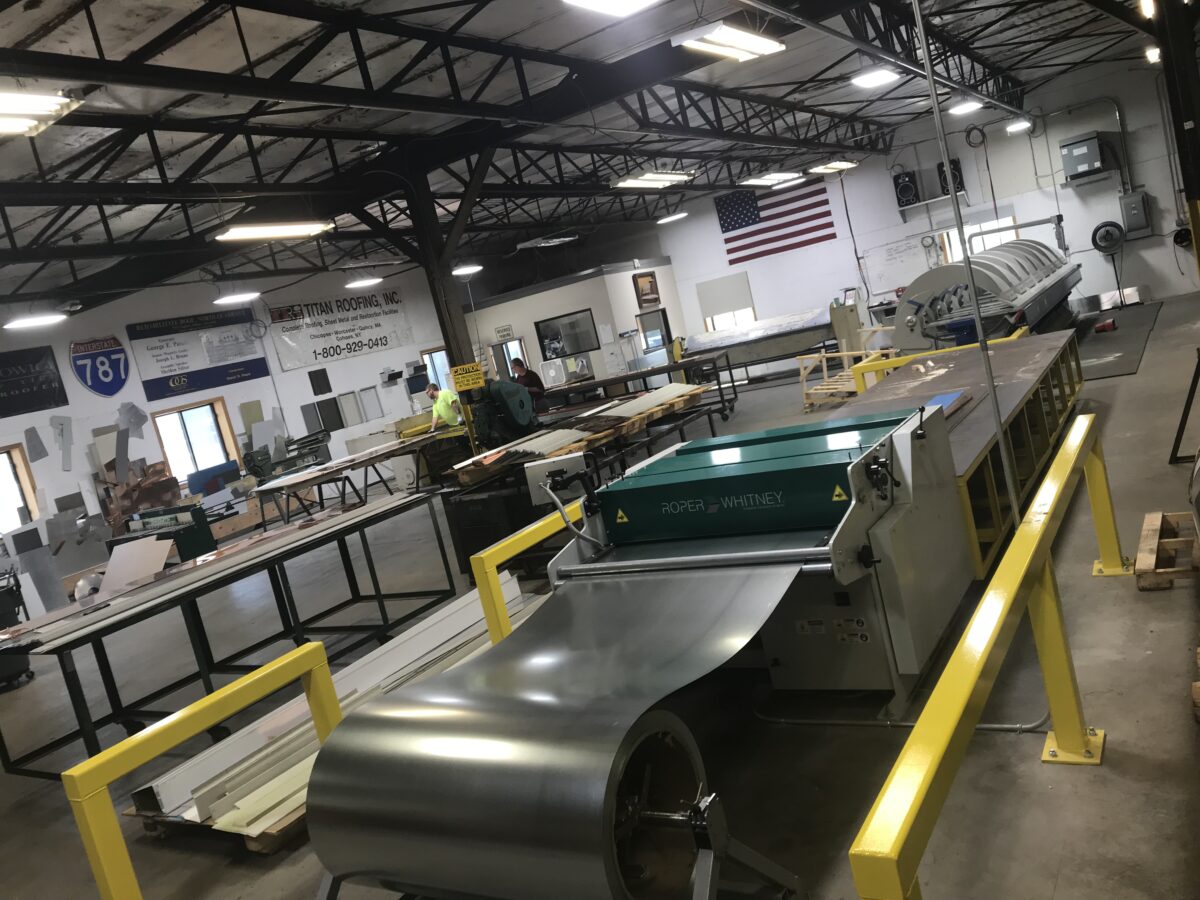
Tucson's manufacturing base includes some of the most operationally demanding facilities in the Southwest: Raytheon Missiles and Defense facilities across the metro, Caterpillar's Tucson manufacturing operation, Bombardier Aerospace's Flight Test Center at Tucson International Airport, and Roche Tissue Diagnostics (Ventana Medical Systems) at UA Tech Park. Roof replacement on active manufacturing facilities requires security coordination, production-line scheduling, clean-room protection protocols, and debris-containment discipline that goes beyond standard commercial practice.
Manufacturing roofing in Tucson is dominated by two sectors: aerospace and defense, and industrial manufacturing. The aerospace and defense sector - powered by Raytheon Missiles and Defense, which employs thousands of engineers and manufacturing personnel across multiple Tucson facilities - presents security requirements, sensitive-equipment environments, and production-schedule constraints that are unique in the Pima County commercial market. Raytheon's facilities require DD Form 254 security clearance documentation for contractor personnel with access to
Caterpillar's Tucson manufacturing facility and Bombardier Aerospace's operations at Tucson International Airport represent a second tier of large-footprint manufacturing buildings on standard industrial flat-roof construction, but with production environments - heavy machinery, precision assembly - that create scheduling and debris-containment requirements above standard commercial practice. Roche Tissue Diagnostics at UA Tech Park operates clean-room laboratory and manufacturing space adjacent to office and R&D buildings; clean-room areas require a contamination-prevention protocol for any roofing work above or near the clean-room zone.
The broader Tucson manufacturing and industrial park inventory - along the I-10 corridor, in the Davis-Monthan adjacent industrial parks on Alvernon Way and Kolb Road, and in the Tucson Airport Authority industrial parks - covers a range of building types from 1970s tilt-up industrial to modern built-to-suit manufacturing. This inventory is in active reroof cycles and represents a significant share of Tucson's large-deck commercial roofing market.
Security and Access Coordination for Defense Facilities
Contractor work at Raytheon Missiles and Defense facilities in Tucson requires advance personnel roster submission to Raytheon's Security team, contractor badge processing at the applicable facility security office, and in some areas, DD Form 254 security-clearance documentation for facility-specific access. The clearance and badge process takes two to four weeks depending on the facility and area involved. We initiate this process as soon as a project scope is agreed - not at contract signing, and not at mobilization.
Raytheon facility work requires coordination with the site Facilities Management team and, in many buildings, the occupying program's operations manager. Production-window approvals may require sign-off from multiple stakeholders - Facilities, EHS, and program operations - and the approval timeline is not within our control. We build this coordination time into the pre-construction schedule and do not commit to a mobilization date until all required approvals are in hand.
Debris containment at Raytheon and similar defense-sector facilities is managed to a stricter standard than standard commercial practice. Fastener and membrane scrap from tear-off must be accounted for and removed daily - a documented debris-removal log may be required at some facilities. We maintain this documentation as part of our daily safety and production records on defense-facility projects.
Production-Line Scheduling and Equipment Protection
Manufacturing production lines cannot pause for roof replacement without significant economic consequences. At Caterpillar Tucson and Bombardier's Tucson facilities, we sequence roofing production in zones that match the building's interior manufacturing layout - starting in areas where production line density is lowest and moving toward active lines as the schedule allows. Interior ceiling and equipment protection - poly sheeting over precision assembly areas and temporary covers over sensitive machinery - is part of our pre-construction scope on any building where the deck condition creates risk of debris or moisture entering the manufacturing space.
Vibration from tear-off equipment is a real concern in facilities with precision measurement, calibration, or assembly operations. We identify vibration-sensitive areas during the pre-construction walk with the facility manager and schedule deck-demolition work during shift changes or during planned maintenance windows when the sensitive operations are offline. This requires the facility's operations team to share their maintenance schedule with us before production starts - we make this request as part of the pre-construction coordination.
HVAC intake management at manufacturing facilities handles not only odor from modified bitumen tear-off but also particulate from demolition work. Manufacturing facilities with controlled-air environments - paint booths, clean rooms, precision assembly - require intake-damper coordination before any demolition begins. We coordinate with the building's HVAC contractor in writing, not as a verbal field call.
Clean-Room and Laboratory Protection at Roche/Ventana and UA Tech Park
Roche Tissue Diagnostics - Ventana Medical Systems - operates clean-room manufacturing and laboratory space at UA Tech Park on South Rita Road. Clean-room classification in this facility requires a contamination-prevention protocol for any roofing work above clean-room zones: no rooftop demolition that generates airborne particulate without a written HVAC-isolation plan, no penetration work above clean-room ceilings without same-day sealing, and a pre-work and post-work cleanliness inspection documented with the facility's EHS team.
UA Tech Park buildings that house defense-sector tenants - Raytheon, Boeing, and others - may have tenant-specific access and debris-containment requirements separate from the building owner's requirements. We identify all tenant-specific requirements during the pre-construction walk with the Tech Park property management team and document them in the project plan before mobilization.
Membrane specification for manufacturing facilities in Tucson follows the same reflectivity-compliance and insulation standards as the broader Tucson commercial market - TPO or PVC for IECC 2018 compliance, high-density polyiso for effective R-value under Sonoran Desert rooftop temperatures. The additional factor on some Tucson manufacturing buildings is chemical exhaust from industrial processes that can degrade standard TPO formulations. We verify exhaust chemistry with the facility's EHS team and specify membrane accordingly when chemical compatibility is a documented concern.
Frequently asked questions
How do you handle security clearance and access for Raytheon facilities in Tucson?
We initiate the contractor personnel roster submission and badge-processing request two to four weeks before planned project start - as soon as the project scope is agreed, not at contract signing. DD Form 254 requirements for specific areas are identified during the pre-construction coordination with Raytheon Security and are factored into the personnel roster before submission. We do not mobilize until all required badges and access approvals are in hand.
Can you sequence roof work around an active manufacturing production line?
Yes, with pre-construction coordination. We request the facility's production and maintenance schedule before setting the zone sequence - starting in lowest-density areas and progressing toward active lines during planned maintenance windows. Interior protection for precision equipment and production lines is part of our pre-construction scope on any manufacturing facility where deck condition creates risk of debris or moisture intrusion.
What is required for roofing work near clean-room areas at Roche/Ventana?
We prepare a written contamination-prevention protocol covering HVAC-isolation for demolition work, same-day penetration sealing above clean-room zones, and pre-work and post-work cleanliness inspections documented with the facility's EHS team. This protocol is reviewed by the tenant's EHS coordinator before any work begins above clean-room areas.
How do you manage modified bitumen tear-off odor at Tucson manufacturing facilities?
We coordinate with the building's HVAC contractor to adjust intake dampers before any tear-off that generates combustion odor or products. At facilities with controlled air environments - paint booths, clean rooms, precision assembly areas - this coordination is in writing and confirmed by the HVAC contractor before demolition begins. We schedule tear-off to move away from active intake zones and identify intake locations during the inspection walk.
Get a manufacturing facility roof scope for your Tucson operation.
Our project managers will walk the facility with your operations and facilities teams, document every constraint, and produce a written scope and production plan that works within your security, production-line, and clean-room requirements.
Ready to talk through a roof?
Tell us about the building and the roof problem. We'll document it and put a plan in writing - with an honest repair-vs-replace recommendation and no upsell pressure.
Documented, repair-first commercial & industrial roofing across Tucson and Pima County. Flat and low-slope systems for occupied buildings, planned around your operation.
Services
© 2026 Commercial Roofing Contractors Tucson. All Rights Reserved. Privacy Policy · Terms of UseSite Map