
Commercial Roof Insurance Claim Assistance in Tucson, AZ
Documented damage assessments, adjuster walkthroughs, and complete-scope reporting for commercial roof insurance claims across Tucson and Pima County.
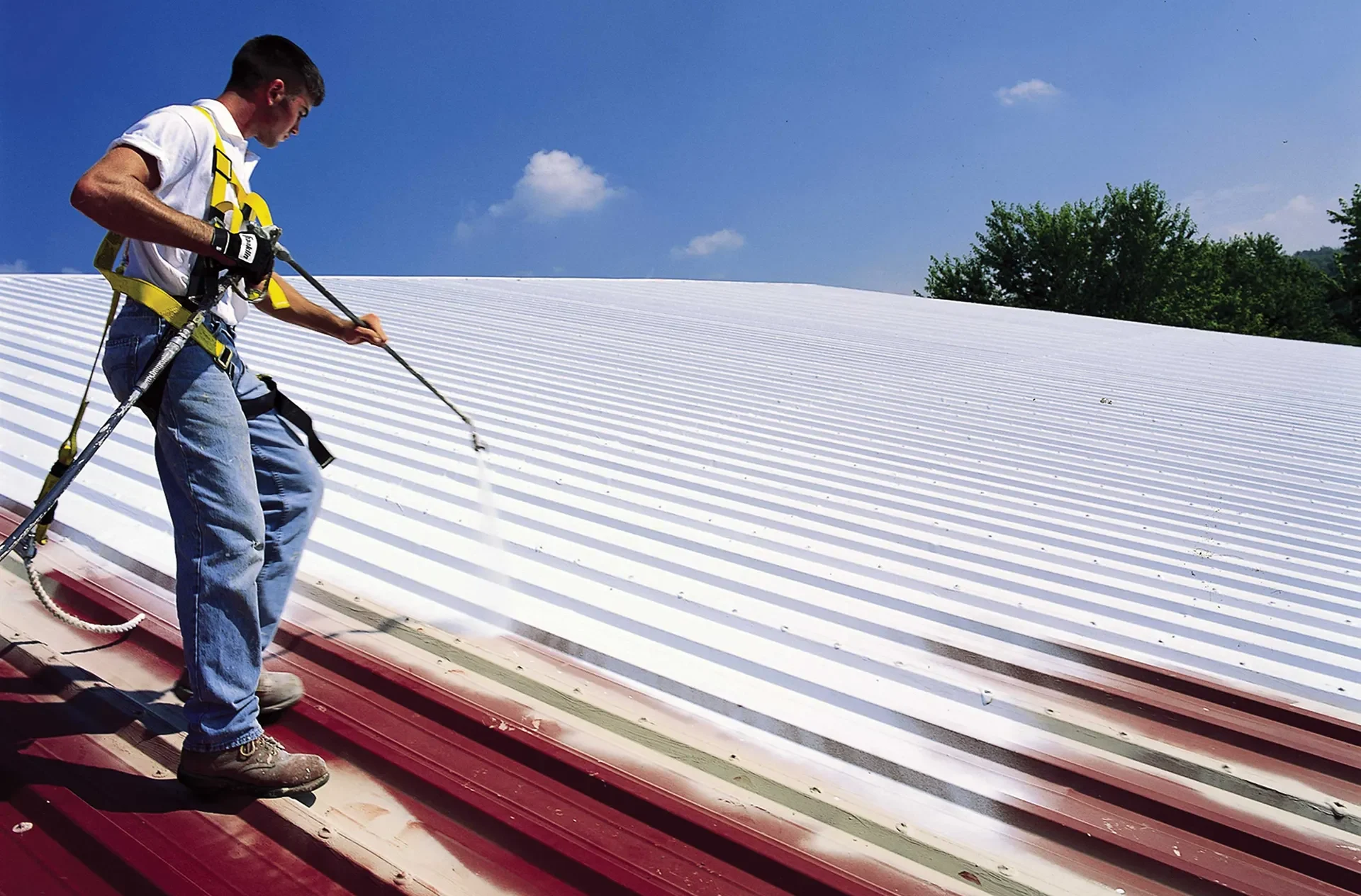
Tucson's commercial roof stock runs from the flat, foam-and-coating systems common on south-side buildings near the aerospace corridor and Davis-Monthan support district to the built-up and modified bitumen roofs on downtown blocks and university-adjacent properties along Speedway and Broadway. When one of these roofs takes storm damage, the insurance claim usually turns on one thing: whether the documentation shows the full extent of the damage, or just the part that's easy to see from the ground. We inspect, measure, and photograph every affected roof section, then produce a written damage assessment formatted the way commercial adjusters expect to see it — so the claim reflects what actually happened to the roof, not a partial picture.
A commercial roof insurance claim starts with a documented site visit, not a phone estimate. We walk the full roof — the whole surface, not only the area where the leak showed up inside the building — because storm damage on a low-slope commercial roof is rarely confined to one spot. Wind uplift at a parapet edge, membrane displacement at a rooftop unit curb, or hail bruising on a foam-coated surface can all be present after the same event, and an incomplete inspection misses the parts that don't leak yet. Our field documentation includes photos of every affected area, measurements of the damaged square footage, and notes on the roof system, age, and repair history — the details an adjuster needs to evaluate the claim.
When your insurer schedules an adjuster to inspect the roof, we meet them on-site. Commercial roof systems — SPF foam with elastomeric coating, TPO, modified bitumen — each fail in different ways, and an adjuster who inspects roofs across every trade doesn't always catch what a roofing contractor catches. We walk the roof with the adjuster, point to what we documented, and make sure the scope under discussion includes the flashing, drainage, and coating work that code and manufacturer specifications require to close the repair out correctly, beyond the single visible failure point.
If a claim comes back denied or the approved scope is narrower than the documented damage, we don't file an appeal or negotiate the settlement — that's between you and your insurer, or a public adjuster if you've hired one. What we can do is go back to the roof, gather additional documentation, and put together a supplemental report that lays out what our inspection found and why it supports a larger scope of repair. Most underpaid commercial roof claims in Tucson come down to incomplete initial documentation rather than a coverage dispute, and a more complete report is often what moves the conversation forward.
Not every storm-damaged commercial roof needs full replacement, and we say so when a repair or partial recover is the honest answer. Foam-and-coating roofs common on Tucson's flat commercial stock can often be repaired at the damaged section and recoated, extending the roof's service life at a fraction of replacement cost — provided the underlying deck and insulation are dry. Where a moisture scan shows saturated insulation across a wide area, or the membrane has multiple failure points beyond the storm event, we document that too, because the claim and the repair plan should both be based on the actual condition of the roof.
We're your roofing contractor, not a public adjuster — we document and substantiate the roof damage so you and your adjuster work from an accurate, complete scope.
- Does insurance cover commercial roof replacement?
- Coverage depends on your policy and the cause of loss. Wind, hail, and storm-related damage are typically covered perils on commercial property policies, though the terms, deductibles, and whether the policy pays actual cash value or replacement cost vary by carrier. We don't interpret policy language — that's a conversation for you and your insurance agent — but we document the physical roof damage clearly enough for that conversation to happen on solid ground.
- What's the process for a commercial roof insurance claim?
- Report the loss to your insurer, then get a roofing contractor on the roof before the adjuster visit if possible. We inspect, document with photos and measurements, and prepare a written assessment. When the adjuster is scheduled, we meet them on the roof so the scope discussion happens with both parties looking at the same documented damage.
- What if my roof claim was denied?
- A denial is a decision for you and your insurer, sometimes involving a public adjuster or attorney if the dispute escalates. Our role is limited to the roof itself — if a denial appears to rest on an incomplete picture of the damage, we can re-inspect and provide additional documentation that more fully describes what we found.
- How do I know if I need repair or full replacement?
- It depends on the extent of the damage, the roof's age and system, and what a moisture scan shows underneath. We give an honest recommendation based on the roof's actual condition, not the largest possible scope.
- Will you negotiate with my insurance company?
- No. We're a roofing contractor, not a public adjuster, and we don't negotiate settlements or represent you in claim discussions. We document the roof so the people handling the claim — you, your agent, your adjuster, or a public adjuster if you've hired one — have accurate information to work with.
- How fast can you get someone on the roof after a storm?
- We prioritize post-storm inspections in Tucson and can typically get a contractor on-site within a few business days of a report, sooner for active leaks where temporary protection is needed.
Ready to talk through a roof?
Tell us about the building and the roof problem. We'll document it and put a plan in writing - with an honest repair-vs-replace recommendation and no upsell pressure.
Documented, repair-first commercial & industrial roofing across Tucson and Pima County. Flat and low-slope systems for occupied buildings, planned around your operation.
Services
© 2026 Commercial Roofing Contractors Tucson. All Rights Reserved. Privacy Policy · Terms of UseSite Map