
Weather watch · Prepare your roof
Prepare for wind advisory conditions in Casas Adobes, Catalina Foothills, Drexel Heights, Marana, Oro Valley, Sahuarita, and Tucson
The National Weather Service has issued a wind advisory covering Casas Adobes, Catalina Foothills, Drexel Heights, Marana, Oro Valley, Sahuarita, and Tucson. Strong winds can loosen roof edges and flashings or affect rooftop equipment. This is a weather exposure advisory; it does not establish damage to a specific roof.
Review your leak-response contacts and existing roof concerns. Arrange drainage checks only when safe. Follow official local weather guidance.
National Weather Service · Updated Oct 15, 2026, 8:29 AM UTC
Hail Damage Roof Insurance Claims in Tucson, AZ
Impact mapping and documentation for occasional but real hail events on Tucson's foam, single-ply, and modified bitumen commercial roofs.
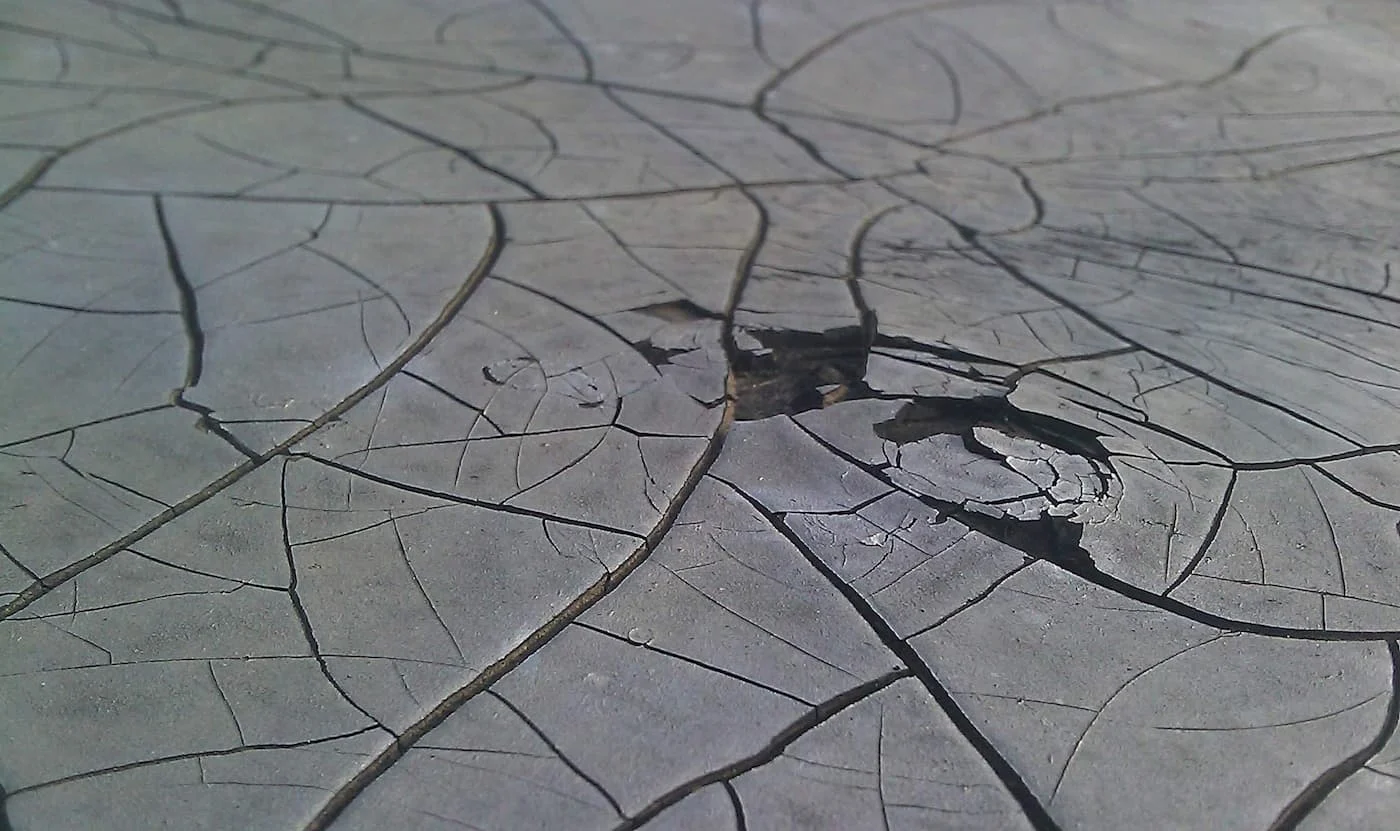
Hail isn't the everyday risk in Tucson that it is in parts of eastern Arizona and the Front Range, but it does occur, usually riding in with a severe monsoon cell or an isolated spring storm system. When it hits, hail damage on a commercial roof is often the least visible storm damage there is — impact marks on a foam-and-coating or single-ply surface don't look dramatic from ground level or even from a casual roof walk, and that's exactly why hail claims get underpaid more often than wind or drainage claims.
Our hail damage assessment starts with a full roof walk, not a spot check. We look for impact bruising across every section of the roof, including areas away from rooftop equipment where impacts are easiest to miss. Documentation includes photos of impact locations, an impact density count per roof section, and, where the surface allows it, close inspection under low-angle light — hail bruising on a light-colored coated surface often shows up as a faint shadow pattern that's invisible in direct overhead sun.
On the spray polyurethane foam and elastomeric coating systems common across Tucson's flat commercial roofs, hail impact compresses the foam at each strike point, sometimes fracturing the coating film without immediately breaking the membrane underneath. That kind of damage doesn't leak right away — it creates a weak point where UV exposure and thermal cycling accelerate coating failure over the following one to two years. TPO and single-ply membranes show impact differently, with circular depressions that stress the membrane at the strike point. We document both patterns and note which system is present on your roof.
Because hail damage on a foam or single-ply roof often doesn't produce an active leak for months, property owners sometimes don't realize a spring or monsoon-season hailstorm caused a claim-worthy event until damage shows up later, in the form of an early coating failure or a leak that seems to appear from nowhere. Insurance policies generally set a window for reporting a loss after it occurs, so a prompt post-storm inspection — even when the roof isn't actively leaking — is what preserves the ability to file a claim at all.
When your insurer schedules a hail inspection, we meet the adjuster on the roof and walk the documented impact locations together. If the initial settlement comes back below the documented repair scope, that's a conversation between you and your insurer, but we can go back out, gather additional close-range documentation, and prepare a supplemental report that lays out what our inspection found. Underpaid hail claims are common when the initial adjuster inspection didn't include a roofing contractor familiar with how hail marks a coated or membrane surface.
We're your roofing contractor, not a public adjuster — we document and substantiate the roof damage so you and your adjuster work from an accurate, complete scope.
- How common is hail damage in Tucson?
- Less common than in many other parts of Arizona and far less frequent than in hail-prone states, but it does happen, typically with a severe monsoon storm cell or an isolated spring system. When it occurs, it's often underdocumented because the damage is subtle on foam and single-ply roofs.
- How do I know if my roof has hail damage if it's not leaking?
- You often can't tell without a close inspection. Impact marks on foam-and-coating or single-ply membranes can be nearly invisible from ground level and only show clearly under close-range, low-angle inspection. That's why we recommend a roof walk after any storm with reported hail in the area, whether or not you've noticed a leak.
- What documentation supports a hail claim on a foam roof?
- Photos of impact locations across the full roof, an impact density count by section, and a written assessment noting the roof system, impact pattern, and expected effect on the coating and membrane's remaining service life. This is the format commercial adjusters use to evaluate hail claims.
- How long do I have to file a hail damage claim?
- That depends on your policy's reporting window, which is a question for your insurer or agent. In general, prompt reporting and inspection after a hailstorm gives you the best chance of a claim being accepted, since damage that isn't documented near the time of the event becomes harder to attribute to a specific storm.
- Will you negotiate my hail claim with the insurer?
- No. We document the roof damage and meet the adjuster on-site when requested, but negotiating the settlement is between you and your insurer, or a public adjuster if you've engaged one.
- Should a hail-damaged roof be repaired or replaced?
- Most isolated hail events on a Tucson commercial roof are repairable — patching and recoating the affected sections rather than a full tear-off. Full replacement becomes the right call when impact density is high across most of the roof or when hail damage compounds existing wear that was already close to the end of its service life.
Ready to talk through a roof?
Tell us about the building and the roof problem. We'll document it and put a plan in writing - with an honest repair-vs-replace recommendation and no upsell pressure.
Documented, repair-first commercial & industrial roofing across Tucson and Pima County. Flat and low-slope systems for occupied buildings, planned around your operation.
Services
© 2026 Commercial Roofing Contractors Tucson. All Rights Reserved. Privacy Policy · Terms of UseSite Map