
Restaurant Roofing in Tucson
Commercial roof replacement and repair for Tucson restaurant buildings - 4th Avenue, downtown TCC area, Foothills, Catalina Foothills, and North Campbell - with grease-exhaust flashing, off-hours scheduling, and food-safety protection protocols.
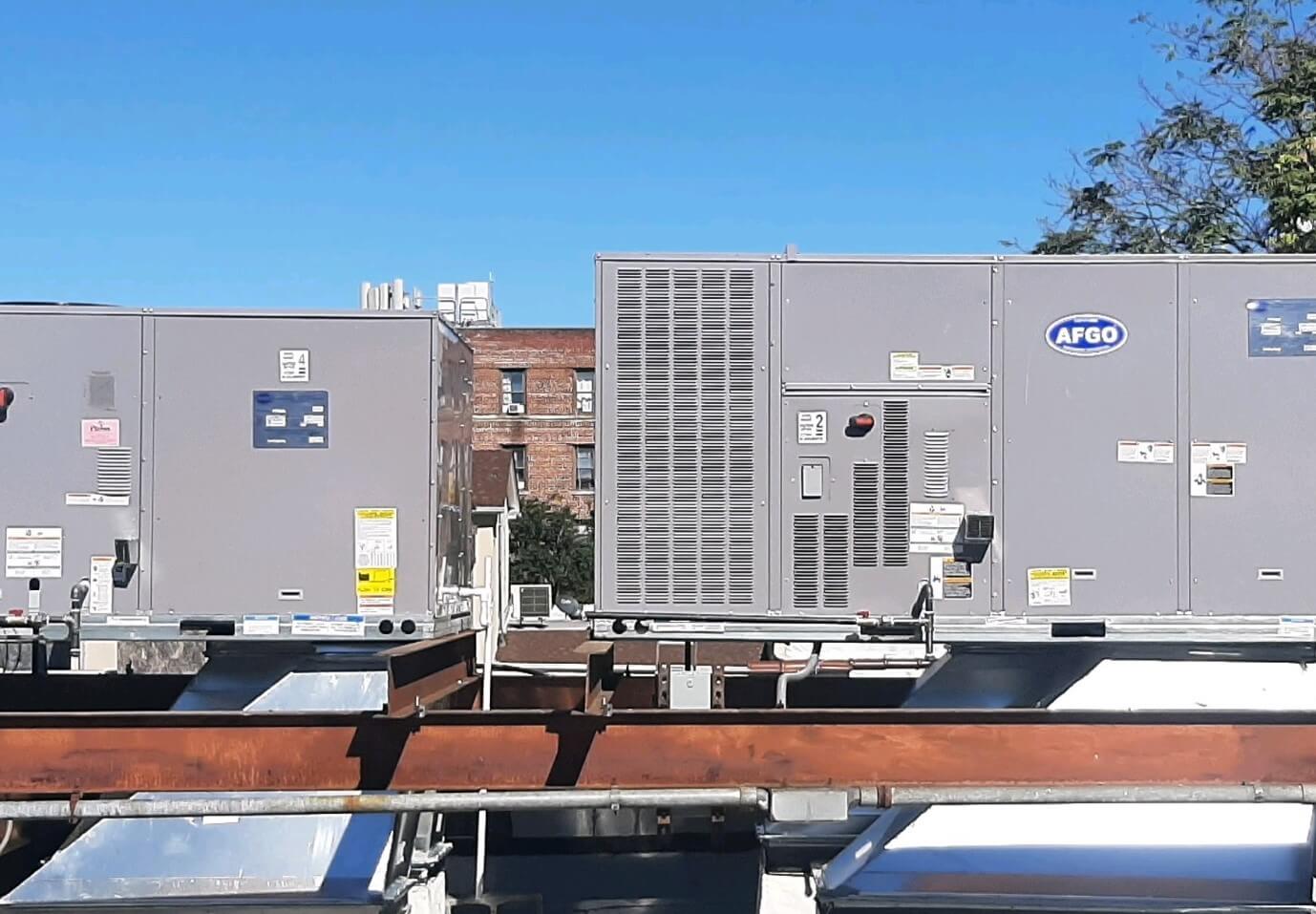
Tucson's restaurant landscape spans from the eclectic independent dining concentrated along 4th Avenue and the downtown TCC corridor to the upscale Foothills and Catalina Foothills destinations along North Campbell Avenue and East Skyline Drive, and the casual dining clusters that serve residential corridors across the metro. Grease-exhaust penetrations, food-safety protection protocols, and off-hours scheduling are the constants across every restaurant roofing project in this market.
Restaurant roofing in Tucson is defined by two technical realities that separate it from standard commercial flat-roof work. The first is grease: commercial kitchen exhaust systems discharge grease-laden air through rooftop penetrations that degrade standard TPO and EPDM flashing boot materials faster than any other building-use type in the commercial market. A restaurant with a fully operational kitchen is a slow-motion flashing-failure machine on a standard membrane system. The second is schedule: restaurants operate during the dinner window and weekend brunch when their customers are present, and they need roof work to happen outside those windows - which often means early morning or late evening production that requires advance planning and neighbor-aware operations.
The 4th Avenue corridor in Tucson is the densest concentration of independent restaurant and bar operations in the city. Buildings in this corridor are a mix of early 20th-century masonry commercial construction, 1970s additions, and more recent infill - with rooftop access constraints, shared party walls, and no adjacent staging area that are unlike anything in the suburban restaurant market. The downtown TCC corridor - the Congress Street and Toole Avenue restaurant district adjacent to the Tucson Convention Center - is a similar urban environment with the added complexity of special events at the TCC that can shut down adjacent right-of-way access for an entire weekend.
The North Campbell Avenue and Catalina Foothills restaurant corridors along East Skyline Drive and East Sunrise Drive serve a different market - upscale dining with property management standards that match the Foothills residential context, visible architectural rooflines in some cases, and guest parking and valet operations that make contractor equipment staging a coordination challenge. Pre-construction planning on Foothills restaurant projects addresses these constraints before any equipment arrives on site.
Grease-Exhaust Penetrations: The Primary Restaurant Roofing Challenge
Commercial kitchen exhaust systems on Tucson restaurants discharge grease-laden air at temperatures that accelerate standard membrane flashing degradation. Standard TPO and EPDM boot materials at grease-producing penetrations are not the right specification - grease breaks down the polymer in standard TPO boots and causes premature flashing failure that sends kitchen grease into the membrane lap joints and ultimately into the building interior or the insulation stack.
We specify stainless-steel grease collars with compatible boot materials at every food-service exhaust penetration on restaurant roofing projects. This is not a premium upgrade - it is the correct specification for the application. We document every exhaust penetration during the inspection walk, confirm which ones are grease-producing kitchen exhausts versus standard HVAC exhaust, and specify the appropriate flashing material in the project scope before contract execution.
Fire-suppression systems for commercial kitchen hoods create a second class of rooftop penetrations on restaurant buildings - Ansul or similar wet-chemical systems run piping through the roof deck that requires penetration flashing compatible with the suppression system's service requirements. We coordinate with the kitchen's fire-suppression maintenance contractor when flashing work touches suppression system penetrations to confirm compatibility and avoid disrupting the suppression system's operational status.
Off-Hours Scheduling and Urban Access on 4th Avenue and Downtown
4th Avenue restaurants and the downtown TCC corridor operate their peak business during evening dinner service (5:00 p.m. to 10:00 p.m.) and weekend brunch (10:00 a.m. to 3:00 p.m.). Loud roofing work - tear-off, mechanical equipment, material delivery - is scheduled for early morning windows outside these peak service hours. We coordinate start times with the restaurant operator to confirm the acceptable window and commit to that window in writing before mobilization.
Material delivery on 4th Avenue requires early-morning street access before pedestrian and dining traffic builds. We coordinate with the City of Tucson Traffic Engineering for any street or sidewalk use during deliveries, and we deploy overhead pedestrian protection - debris netting and hard canopy - along any public sidewalk below active roofing work. This is both a City of Tucson requirement for work above public right-of-way and an operational requirement for a street that stays active through the evening.
The downtown TCC area adds a special-events consideration: major events at the Tucson Convention Center, Hotel Congress, or the nearby music venues can close Congress Street or Toole Avenue to vehicle traffic with minimal advance notice. We monitor the TCC and City of Tucson events calendar and confirm right-of-way availability before scheduling material deliveries in this corridor.
Food Safety Protection During Roofing Operations
Restaurant buildings with active food-preparation operations require debris and particulate containment during roofing work that goes beyond standard commercial practice. Modified bitumen tear-off generates aggregate and granule debris that can enter a commercial kitchen through ventilation systems or open service doors if containment is not part of the pre-construction scope. We review the kitchen's service-door and ventilation layout during the inspection walk and include a written debris-containment plan in the project scope for any restaurant with active food prep adjacent to or below the work area.
Modified bitumen torch-down work and hot-mopped systems generate odor that can infiltrate a restaurant's dining area through HVAC intakes or open windows. We schedule torch-down and hot-mop operations for early-morning windows before restaurant open and notify the restaurant operator the afternoon before torch work is planned. HVAC intake management - coordinating with the restaurant's mechanical contractor to adjust intake dampers during torch operations - is part of our odor-management protocol on every restaurant project.
Health department compliance is the restaurant operator's responsibility, but a roofing contractor who creates conditions that could trigger a health inspection failure - visible debris near food prep, odor-generating work during open hours - creates a liability that both parties want to avoid. Our food-safety protection protocol is documented in writing and shared with the restaurant operator before production begins.
Frequently asked questions
How do grease-exhaust penetrations cause roof failure on Tucson restaurants?
Grease-laden exhaust degrades standard TPO and EPDM flashing boot materials faster than UV or heat alone. The grease breaks down the polymer in the boot, creates a leak path at the penetration, and allows grease to migrate into the membrane lap joints and insulation stack. On a restaurant with a fully operational kitchen, this process can fail a standard flashing in two to three years. Stainless-steel grease collars with compatible boot materials are the correct specification and are part of our standard scope on every restaurant roofing project.
Can roof work happen during off-hours on 4th Avenue or in the downtown TCC area?
Yes. We schedule loud work - tear-off, material delivery, mechanical equipment - for early-morning windows before the dinner service and weekend brunch windows. We coordinate the acceptable work window in writing with the restaurant operator before mobilization. Material delivery on 4th Avenue uses early-morning street access with City of Tucson coordination. Overhead pedestrian protection is deployed before any work above the public sidewalk.
How do you protect a restaurant's kitchen from debris during the reroof?
We review the kitchen's ventilation layout and service-door locations during the inspection walk and include a written debris-containment plan in the project scope for any restaurant with active food prep below or adjacent to the work area. Tear-off debris is contained by vacuum equipment on buildings where aggregate or granule debris could enter service areas. HVAC intake management is in place during any demolition or torch operation.
Do you work on upscale Foothills restaurant buildings with valet operations and visible rooflines?
Yes. Foothills restaurant projects include pre-construction coordination with the property manager or restaurant operator on equipment staging, valet and guest-parking protection, and operating-hours scheduling that avoids conflict with dinner service. For buildings with visible architectural rooflines, we review the proposed membrane and flashing details with the property manager before production to confirm the aesthetic outcome meets the property standard.
Get a restaurant roof assessment for your Tucson food-service building.
Our project managers will walk the roof, document every grease-exhaust and kitchen-hood penetration, and produce a written scope with a scheduling plan that protects your service hours and food-safety compliance.
Ready to talk through a roof?
Tell us about the building and the roof problem. We'll document it and put a plan in writing - with an honest repair-vs-replace recommendation and no upsell pressure.
Documented, repair-first commercial & industrial roofing across Tucson and Pima County. Flat and low-slope systems for occupied buildings, planned around your operation.
Services
© 2026 Commercial Roofing Contractors Tucson. All Rights Reserved. Privacy Policy · Terms of UseSite Map