
Quick-Service Restaurant & Fast-Food Roofing in Tucson, AZ
Commercial roofing for quick-service restaurant & fast-food roofing in Tucson, AZ - specifications, scheduling, and project coordination for this building type.
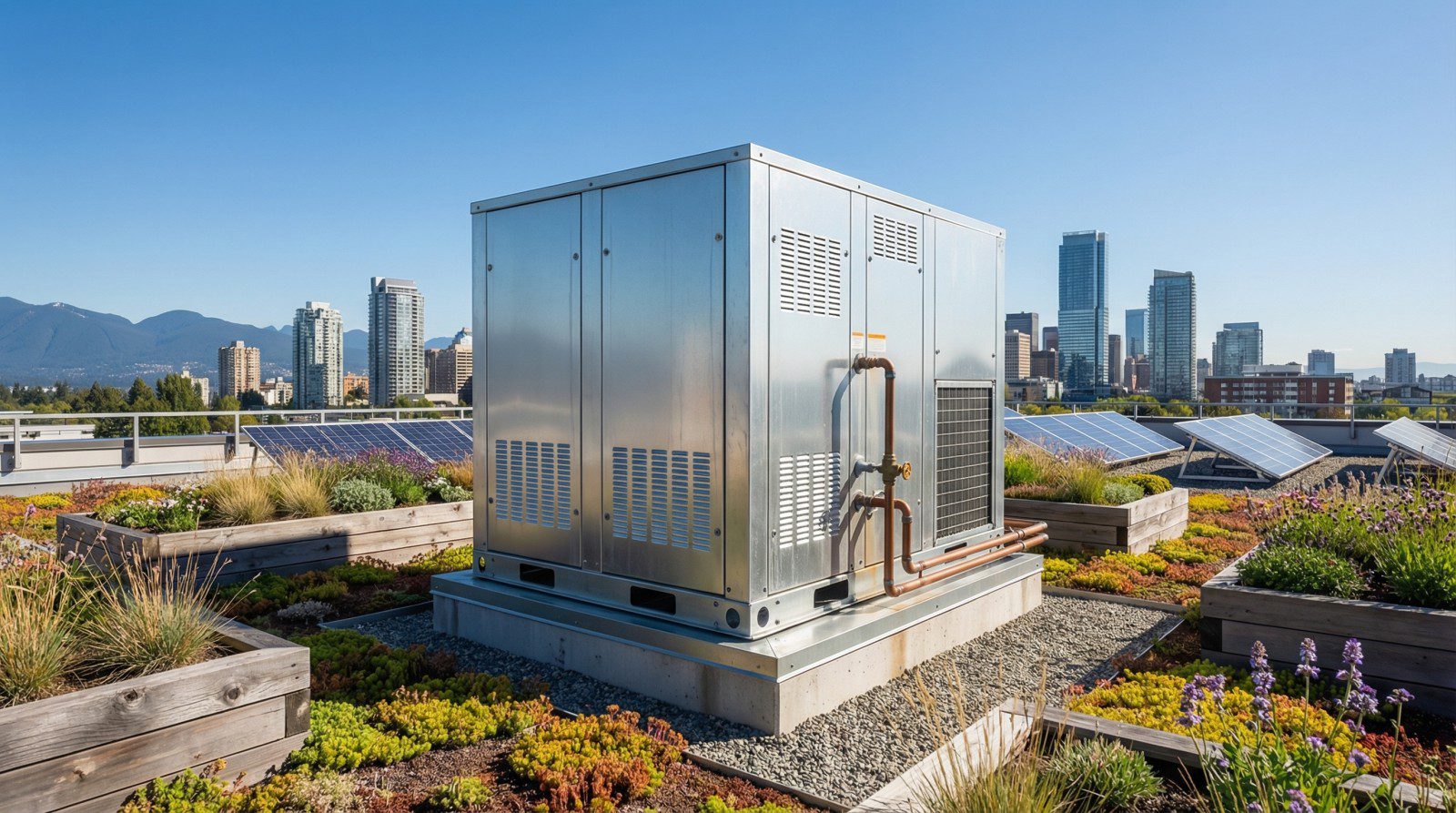
Tucson's commercial corridors span the I-10 and I-19 industrial belts, the Tech Park and UA Tech Launch Arizona campus zone, the Speedway and Broadway retail corridors, and the Raytheon and Davis-Monthan support area. Quick-service and fast-food restaurant properties in this market represent a high-density roofing category - small-footprint buildings with 24-hour operations, grease-exhaust penetration density exceeding standard retail, and franchisor brand compliance requirements that govern product selection and documentation at every brand-owned location.
The 4th Avenue corridor in Tucson is the densest concentration of independent restaurant and bar operations in the city.
Franchise compliance documentation is a standard roofing closeout requirement for QSR locations in Tucson that many property owners don't realize applies to them. Major fast-food brands - whether a burger chain, fried chicken brand, or coffee concept - have corporate facilities departments with approved product lists for roofing systems, required installation photo logs, and warranty registration procedures that close the brand's quality monitoring loop on real property asset condition. A franchisee who completes a re-roof without meeting the brand's documentation requirements may face a franchise compliance notice during the next facilities audit. We know the documentation requirements for the major QSR brands operating in Tucson and include them in our closeout package as a standard deliverable.
Insurance documentation for QSR roofing in Tucson requires attention to the completed operations coverage extension. A cooking exhaust fire or a water damage event caused by a roofing defect after project completion is a completed operations claim - and this coverage must remain active through the full warranty term, not just during construction. We maintain completed operations coverage on all commercial food service facility projects and confirm the policy terms with the property owner at contract signing. A contractor who doesn't maintain completed operations coverage creates a gap in the risk transfer chain that the property owner may not discover until they need to make a claim.
Health department notification in Tucson for QSR re-roofing construction is standard practice in some jurisdictions. Facilities with active food service permits may be required to notify the health authority before major construction that affects the building envelope - because construction activity near food preparation and storage areas has food safety implications. We confirm the notification requirement with the Tucson health department as part of our pre-construction compliance checklist. A health department stop-work order during a restaurant re-roofing project is a recoverable situation; a citation for non-notification in a jurisdiction that requires it is avoidable with a 15-minute phone call.
QSR & Fast-Food Roofing - Documentation Questions
Most major QSR corporate facilities departments require: manufacturer product approval documentation confirming the installed system is on the brand's approved product list, installation photo log at brand-specified stages (typically substrate, insulation, and completed membrane), warranty registration confirmation with the warranty certificate issued to the franchisee or property owner, and in some cases a post-installation inspection report from a brand-approved inspector. We know the requirements for the major brands operating in Tucson and format our closeout documentation accordingly.
Completed operations coverage extends the contractor's general liability insurance to cover claims that arise from completed work - such as a water intrusion event or a grease fire caused by an incorrectly detailed exhaust penetration that manifests 6 months after project completion. Standard GL policies often limit completed operations coverage to 1-2 years; roofing warranty terms run 10-20 years. We confirm completed operations coverage terms with the property owner at contract execution and recommend that the owner verify their own property policy's subrogation terms before accepting a roofing warranty.
Our QSR installation photo log is structured around brand-standard inspection stages: substrate preparation (deck condition before insulation), insulation installation (R-value confirmation, tapered layout), membrane application (seam construction, penetration flashings), and final condition (edge metal, drain installations, penetration protection details). Photos are geo-tagged and timestamped. The log is delivered in both PDF and digital formats - the PDF format matches what most major QSR brands accept for their facilities management systems.
The warranty package for a QSR re-roofing project should include: manufacturer system warranty certificate issued to the property owner (not the contractor), contractor workmanship warranty document, certified applicator documentation from the manufacturer, inspection schedule for warranty maintenance, and the brand compliance documentation confirming the installed system meets the franchise's approved product requirements. For multi-location portfolios, we maintain a digital warranty file for each location and provide the franchisee with a portfolio warranty summary annually.
Yes - re-roofing projects above minimum value thresholds require a building permit in Tucson. For QSR locations, the permit application is straightforward: specification documents, product data sheets, and in some cases a structural letter confirming new assembly loads are within the existing deck capacity. We submit the permit application as part of our pre-construction process and schedule the required inspections - substrate, pre-cover, and final - as part of the construction schedule. A re-roofing project completed without a permit may face complications when the property is sold or refinanced.
Ready to talk through a roof?
Tell us about the building and the roof problem. We'll document it and put a plan in writing - with an honest repair-vs-replace recommendation and no upsell pressure.
Documented, repair-first commercial & industrial roofing across Tucson and Pima County. Flat and low-slope systems for occupied buildings, planned around your operation.
Services
© 2026 Commercial Roofing Contractors Tucson. All Rights Reserved. Privacy Policy · Terms of UseSite Map