
Roof Warranty Coordination in Tucson
Manufacturer warranty maintenance and documentation for Tucson commercial roofs - GAF, Carlisle, Johns Manville, Sika Sarnafil, and Versico systems, maintained through Sonoran Desert conditions and monsoon season with the documentation each manufacturer requires.
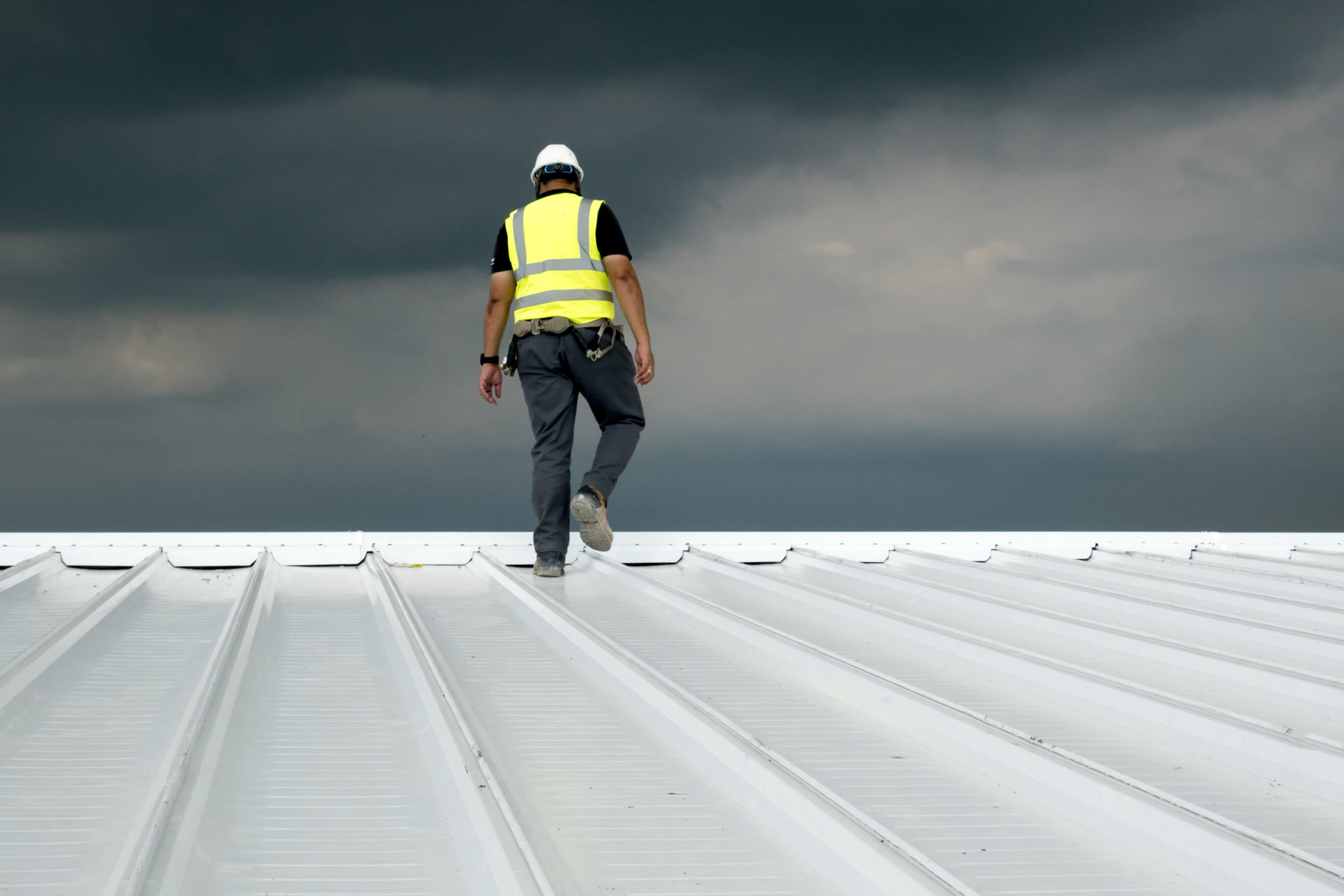
A manufacturer warranty on a Tucson commercial roof is only as good as the maintenance documentation behind it - and Sonoran Desert conditions create specific documentation gaps that get exploited at claim time. We perform the maintenance, produce the required documentation, and keep the warranty from lapsing on a technicality before a monsoon event makes it matter.
We hold active manufacturer credentials with GAF, Carlisle SynTec, Johns Manville, Sika Sarnafil, and Versico. Those credentials are the prerequisite for performing warranty-qualifying maintenance work and for registering warranty claims on each manufacturer's systems. An uncredentialed contractor performing maintenance on a warranted roof in Tucson does not generate documentation that the manufacturer accepts - it generates a gap in the maintenance record that the warranty team will find when the claim comes in.
The most common reason commercial roof warranties get denied in Tucson is not that the membrane failed due to a workmanship defect. It is that the owner cannot produce documentation showing the required annual maintenance was performed by a credentialed contractor. This gap is more damaging in Tucson than in moderate-climate markets because the Sonoran Desert's UV load degrades membranes faster - a warranted TPO system at year 12 in Tucson may be closer to its performance threshold than the same system at year 12 in a northern market, and the manufacturer's warranty inspection that precedes a claim will reflect that. Complete maintenance documentation is what keeps the claim in the workmanship coverage category rather than the wear-and-degradation exclusion category.
Tucson's monsoon season concentrates most warranty-relevant roof failures in a 90-day window. When a failure occurs during monsoon, the documentation timeline is compressed - the manufacturer's warranty department needs to be notified while conditions are documentable, and the maintenance record needs to be producible on short notice. Our warranty coordination program maintains that record in current, organized form so that a monsoon-season claim does not founder on documentation scrambling.
What Each Manufacturer Requires
GAF EverGuard Extreme warranties (TPO and EPDM, 20-year NDL tier) require annual maintenance by a GAF-credentialed contractor, with a maintenance report submitted to GAF within 90 days of the service date. The report format is GAF-specified - a generic inspection report does not satisfy the requirement. For Tucson buildings on GAF systems, the annual maintenance timing is aligned with the pre-monsoon inspection window so that documentation is submitted before the highest-risk season.
Carlisle SynTec SureCast and Sure-Weld warranties require documented seam inspection at a specific protocol level - their maintenance standard requires a documented test of every accessible seam, not just visual inspection. In Tucson, where seam integrity is the primary UV-degradation failure mode, this requirement aligns with the most important inspection item we would perform regardless of the warranty. We follow Carlisle's published maintenance standard for each tier and submit documentation under the building's warranty number.
Johns Manville JM PremiumPlus warranties, Sika Sarnafil, and Versico programs each have specific maintenance frequencies, documentation formats, and contractor-credential requirements. we install all five major programs and submit maintenance documentation under whichever warranty number the building's roof was registered under. For Tucson buildings where the original installer is no longer active in the market - a common situation given contractor turnover in this region - we can assume the warranty maintenance role by demonstrating credentials to the manufacturer and submitting a baseline inspection as the record establishment.
Repair Work During the Warranty Period
Any repair performed on a warranted Tucson roof during the warranty period needs to follow the manufacturer's detail standard and be documented as a manufacturer-compliant repair. This is a specific challenge in Tucson after monsoon events, when building owners sometimes authorize emergency repair work by the first available contractor rather than waiting for the credentialed contractor. Emergency dry-in is appropriate - a tarp or temporary seal that stops active water entry is not a warranty-compliance issue. A permanent repair using non-specified materials or non-manufacturer details on a warranted seam is a compliance issue.
We perform repairs on warranted systems under the applicable manufacturer's repair standard and document every repair against the building's warranty number. For clients on our maintenance program, we are the first call for monsoon-season damage assessment - which means the repairs that occur during the highest-risk season are performed by the credentialed contractor, not by whoever answered the phone first. For buildings where we are assuming warranty coordination from a prior program, we assess any prior non-compliant repairs, note them in the condition record, and advise the owner on specific warranty exposure.
When a Claim Is Needed
When a manufacturer warranty claim is appropriate - typically a membrane failure at a field seam or a flashing failure at a manufacturer-detailed transition - we coordinate the claim process. That means documenting the failure promptly, particularly after monsoon events where secondary damage accumulates quickly, identifying whether the failure is within warranty coverage scope, notifying the manufacturer's warranty department with supporting documentation, and scheduling the manufacturer's field inspection with the maintenance record organized and available.
Claims with complete maintenance documentation behind them settle without extended dispute in most cases. Claims that lack documentation, or where the maintenance was performed by uncredentialed contractors, get reduced to material-only coverage or denied. The monsoon season's compressed timeline makes complete documentation especially valuable - a claim submitted in August after a July storm event needs documentation that is already organized, not documentation assembled under time pressure.
Frequently asked questions
Our Tucson roof has a manufacturer warranty but documented maintenance has been inconsistent. Are we exposed?
Likely yes. Most NDL manufacturer warranties specify that failure to perform documented annual maintenance by a credentialed contractor voids or reduces coverage. In Tucson, where UV degradation runs faster than moderate-climate manufacturer assumptions, the maintenance record is also the documentation that establishes the failure was workmanship-related rather than accelerated-degradation-related. We can review your warranty document, assess the maintenance history, and tell you specifically where the exposure is and whether anything is recoverable.
The contractor who installed our roof is no longer in business. Can you take over warranty maintenance?
Yes. This situation is common in the Tucson market. We contact the manufacturer's warranty department, establish our credentials as the servicing contractor, and conduct a baseline inspection that restarts the documented maintenance record. The manufacturer's response varies by program - some accept the transition immediately, some require a warranty inspection before the program continues. We handle that coordination.
What if emergency monsoon-season repairs were done by a non-credentialed contractor?
Document it and assess the exclusion. Emergency temporary dry-in by any contractor is generally not a warranty compliance issue - stopping active water entry takes priority. Permanent repairs using non-specified materials or non-manufacturer details create a specific exclusion around the repair area. We assess every prior non-compliant repair when we take over an account, note it in the condition record, and advise the owner on where the exposure is so they can plan accordingly.
How long do manufacturer warranties last on Tucson commercial roofs?
NDL warranty terms are the same as in other markets - 20 years on standard 60-mil TPO and EPDM, 25 years on 80-mil systems from some manufacturers, 20-25 years on PVC depending on mil thickness, and 10 to 20 years on silicone restoration coatings depending on applied thickness. What differs in Tucson is the condition of the membrane at year 12 versus year 20 - UV and thermal cycling advance degradation faster than the warranty term implies. Annual maintenance documentation is what keeps the manufacturer from attributing a year-15 seam failure to accelerated wear rather than workmanship.
Find out if your Tucson roof warranty is still in good standing.
We review the warranty document, assess the maintenance history, and tell you exactly where coverage stands - and what it takes to keep it intact through the next monsoon season. Call 520-523-6122 or use the form.
Ready to talk through a roof?
Tell us about the building and the roof problem. We'll document it and put a plan in writing - with an honest repair-vs-replace recommendation and no upsell pressure.
Documented, repair-first commercial & industrial roofing across Tucson and Pima County. Flat and low-slope systems for occupied buildings, planned around your operation.
Services
© 2026 Commercial Roofing Contractors Tucson. All Rights Reserved. Privacy Policy · Terms of UseSite Map