
Freeze Damage Roof Repair in Tucson
Commercial roof freeze damage assessment and repair for Tucson buildings - rare but documented Arizona freeze events, ice-expansion seam damage, and scope packages for building owners and Arizona insurance adjusters.
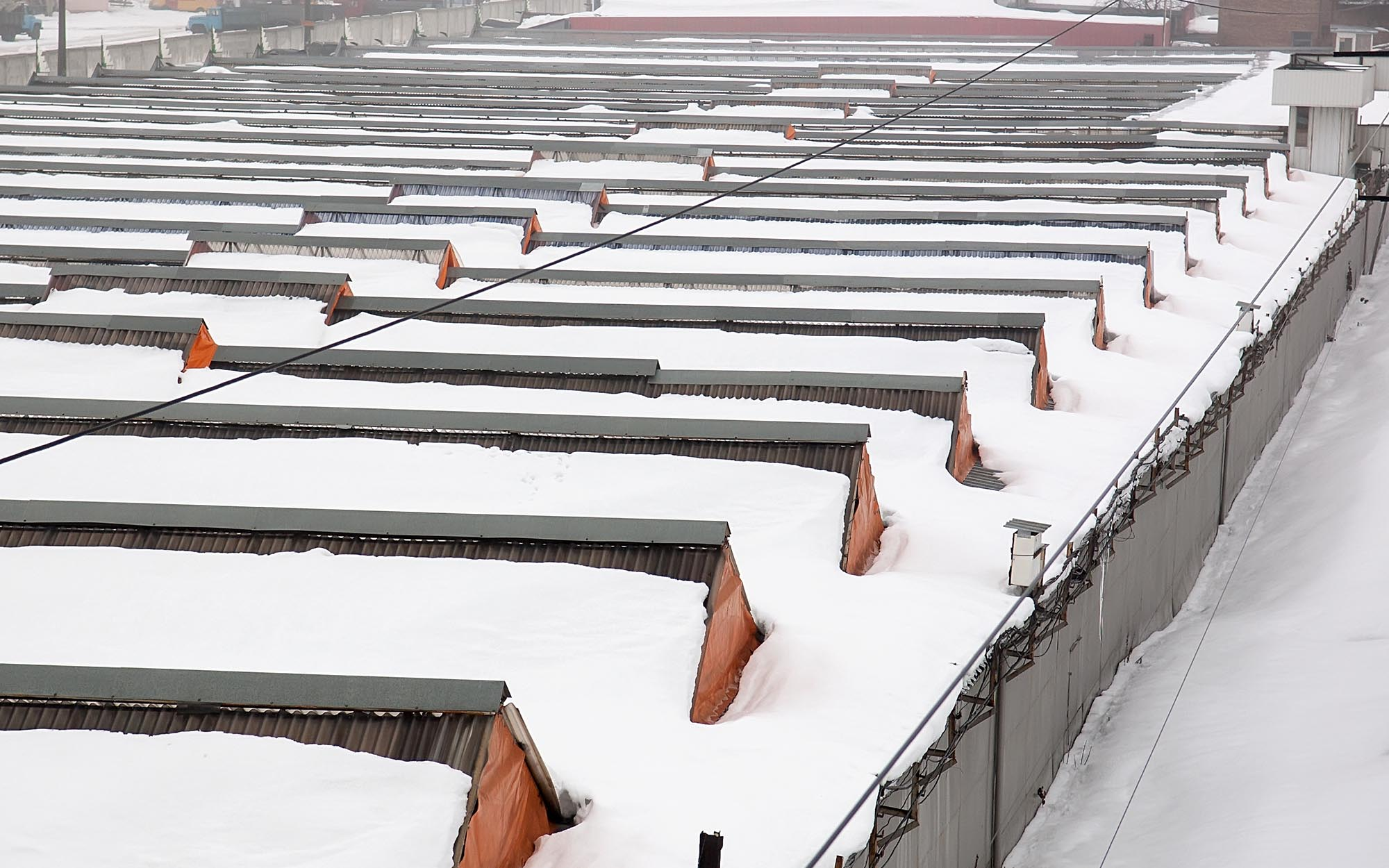
Freezing temperatures in Tucson are infrequent but documented and consequential when they occur. The January 2007 and February 2011 hard freeze events produced pipe and roofing damage across the Pima County commercial market that many building owners and adjusters had not anticipated from an Arizona desert climate. We scope freeze damage on commercial flat roofs when the thermometer surprises the Sonoran Desert.
Tucson's reputation as a warm-weather desert city creates a specific vulnerability: commercial buildings, roofing systems, and building operations that are not designed for sustained below-freezing temperatures. The January 2007 hard freeze event brought several consecutive nights below 28°F to the Tucson metro - a temperature profile that, in a northern market, would produce no unusual consequences for a well-maintained commercial roof, but in Tucson produced membrane ice-expansion damage on systems designed for UV and heat rather than freeze-thaw cycling.
The February 2011 freeze event was more severe: Tucson International Airport recorded temperatures below 22°F, and the Rincon Valley and Vail areas saw overnight lows near 18°F. That event produced documented freeze damage to commercial roofs across Pima County, particularly on older modified bitumen systems where the bitumen compound had embrittled from years of UV exposure and cracked under freeze-expansion stress. Modified bitumen that would flex and seal under a rain event at 50°F cracked through the cap sheet at 20°F when ice expanded in pre-existing seam micro-gaps.
Freeze damage on Tucson commercial roofs is rare but real. We assess it systematically when freeze events occur: infrared mapping of ice-expansion seam damage, probe testing of modified bitumen cap sheet crack patterns, and core pulls where freeze-thaw water cycling has saturated insulation that was dry before the event. The scope we produce is documented in a format your Arizona adjuster can use.
How Freeze-Thaw Cycles Damage UV-Embrittled Tucson Membranes
Sonoran Desert UV exposure progressively embrittles roofing membranes over their service life. TPO membranes that retain their cold-temperature flexibility rating through year 10 may have measurably reduced cold-crack resistance by year 18 if annual inspection and seam maintenance have not been performed. Modified bitumen cap sheets that retain SBS elastomer content when new gradually oxidize under UV Index 11-plus conditions, losing the flexible-at-low-temperature characteristics that distinguish them from APP bitumen.
When a freeze event brings temperatures to 20°F or below on a Tucson commercial roof with UV-embrittled membranes, water that has infiltrated micro-gaps in seam laps or that is present as condensation at the membrane-insulation interface freezes and expands. On a TPO membrane that has lost cold-temperature flexibility, that ice expansion at the seam edge can crack through the membrane rather than stressing it elastically. The crack is often hairline-width and invisible from above under post-freeze conditions - only probe testing and close visual inspection of seam edges reveals the full extent of the damage.
Modified bitumen systems are the most vulnerable Tucson membrane type in a hard freeze event. The oxidized cap sheet surface of a 15-to-20-year Tucson modified bitumen roof can crack through its full thickness at temperatures below 25°F if ice is present in existing surface weathering cracks. We document modified bitumen crack patterns after freeze events with systematic close photography of the cap sheet surface along all seams, at every penetration, and at parapet flashing laps.
HVAC and Mechanical System Interaction with Freeze Damage
A Tucson hard freeze event often produces HVAC-related water damage on commercial rooftops simultaneously with membrane damage. Rooftop condensate drain lines that are not heat-traced - uncommon in Tucson because freezing is rare - can freeze and produce condensate backup into the HVAC unit, which then overflows onto the roof membrane. Condensate overflow during a freeze event deposits water on the membrane surface at exactly the time when the membrane is most vulnerable to ice-expansion damage at existing micro-gaps.
Refrigerant line insulation on exposed rooftop refrigerant lines can crack from freeze events, introducing a secondary maintenance item that is separate from but associated with the roof membrane damage. We note any visible refrigerant line insulation damage in our post-freeze inspection and flag it for the mechanical contractor - we do not scope mechanical repairs, but we identify the issue so it does not create a recurring moisture source after the membrane repair.
HVAC unit drain pans that collect condensate year-round may have standing water in the pan during a freeze event. If that water freezes and the drain pan seal or drain line is compromised, the freeze-thaw cycle can crack the pan or displace the drain connection. We inspect drain pan condition and drain line connection at each rooftop unit during our post-freeze scope walk.
Freeze Damage Documentation for Arizona Insurance Claims
Arizona hard freeze events are documented by the National Weather Service Tucson office with official low-temperature records at Tucson International Airport, the UA campus ATMO weather station, and multiple cooperative observer stations across Pima County. We include the official low-temperature records for the freeze event dates in our scope package - establishing that temperatures reached the threshold for freeze-expansion membrane damage.
The damage pattern documentation distinguishes freeze-event damage from pre-existing UV wear: freeze crack patterns at seam edges are typically in tight, linear crack formations rather than the broad surface checking pattern of UV degradation; ice-expansion damage at penetration flashings is typically at the flashing lap interface rather than on the open flashing surface; and freeze damage correlates with locations where pre-existing micro-gaps allowed water infiltration before the freeze - which the probe test record documents.
Arizona commercial property insurance carriers including USAA, Farmers, State Farm, Allstate, and Auto-Owners have limited historical experience with freeze damage claims from the Tucson market compared to their Great Plains or Midwest books. We build our scope packages to be self-contained - including the NWS temperature records, the damage pattern explanation, and the repair scope with unit quantities - so adjusters unfamiliar with the Tucson freeze damage pattern have the information they need to process the claim.
Frequently asked questions
Does freezing temperature really damage commercial roofs in Tucson?
Yes, under specific conditions. Tucson commercial membranes that have been UV-embrittled over 12 or more years have reduced cold-crack resistance. When a hard freeze brings temperatures below 22 to 25 degrees - as the January 2007 and February 2011 events did - ice expansion at existing micro-gaps in seam edges can crack through UV-embrittled membrane. The damage is concentrated at existing vulnerability locations, not random, which makes it documentable and repairable once identified.
We had no active leaks after the freeze event - does that mean our roof is fine?
Not necessarily. Freeze crack damage at seam edges on a Tucson commercial roof often produces hairline cracks that do not leak immediately - the crack closes partially after the ice melts, and the first active leak from that location may not occur until the first monsoon event several months later. A post-freeze probe-test inspection identifies those crack locations before they produce interior water damage.
Our roofing system was installed before the 2011 freeze - is it at higher risk?
Age combined with Tucson UV exposure is the primary risk factor. A system installed before 2011 that has not had regular seam maintenance and UV-exposed flashing replacement is at higher freeze-crack risk than a newer or better-maintained system. The inspection tells you what the actual seam condition is - which is the data you need to assess risk, not just the installation year.
Does Arizona property insurance cover freeze damage to commercial roofs?
Freeze damage is typically a named peril in commercial property policies, but coverage depends on your specific policy language and any exclusions. We are not coverage advisors. We provide the damage documentation - NWS temperature records, probe-test crack pattern map, photo log, and repair scope - that your Arizona adjuster needs to assess the claim. Carriers including Farmers, State Farm, USAA, Allstate, and Auto-Owners have all processed freeze damage claims from the Tucson market following documented hard freeze events.
Post-freeze roof inspection for a Tucson commercial building?
We probe-test seam edges and parapet flashings for freeze-expansion crack damage, document the pattern against NWS temperature records, and produce a repair scope - with Arizona insurance documentation included if the claim involves a carrier.
Ready to talk through a roof?
Tell us about the building and the roof problem. We'll document it and put a plan in writing - with an honest repair-vs-replace recommendation and no upsell pressure.
Documented, repair-first commercial & industrial roofing across Tucson and Pima County. Flat and low-slope systems for occupied buildings, planned around your operation.
Services
© 2026 Commercial Roofing Contractors Tucson. All Rights Reserved. Privacy Policy · Terms of UseSite Map