
Event Venue & Convention Center Roofing in Tucson, AZ
Commercial roofing for event venue & convention center roofing in Tucson, AZ - specifications, scheduling, and project coordination for this building type.
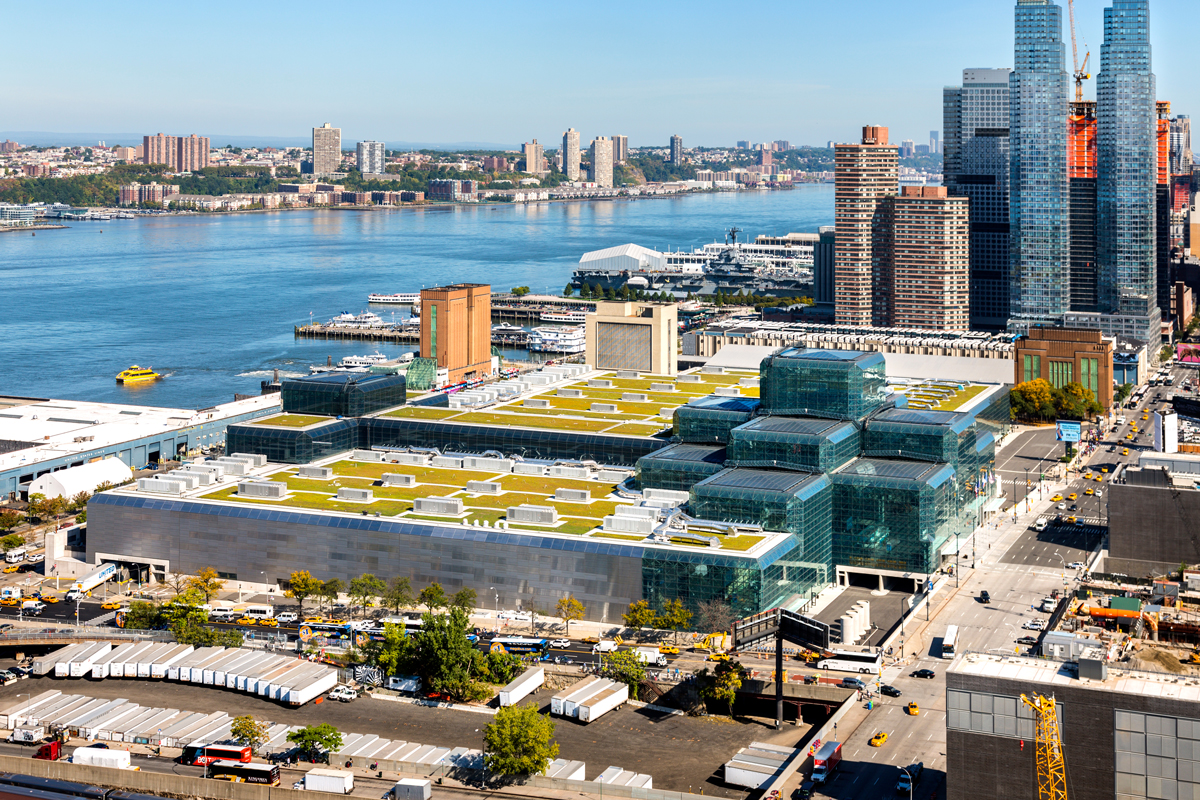
Tucson's commercial corridors span the I-10 and I-19 industrial belts, the Tech Park and UA Tech Launch Arizona campus zone, the Speedway and Broadway retail corridors, and the Raytheon and Davis-Monthan support area. Event venues, convention centers, and banquet facilities in this market have committed event calendars that make roofing scheduling a project management challenge first - finding confirmed dark periods in a facility booked 12 to 18 months in advance requires the booking calendar before any scope is written.
Large event venues, convention centers, and assembly facilities in Tucson carry building code classifications that impose more demanding requirements on roofing than standard commercial buildings. Assembly occupancy buildings - Group A under the IBC - require roofing materials with flame spread ratings consistent with their occupancy classification, life-safety system interfaces that must be maintained during construction, and in some cases structural review of new roof assembly loads by the building's engineer of record. Understanding these requirements before mobilization is the difference between a project that proceeds cleanly and one that gets stopped by the building department mid-phase.
Smoke exhaust systems are the most commonly overlooked code-compliance interface in event venue roofing in Tucson. Large assembly buildings are required by code to have mechanical smoke exhaust capability - fans designed to remove smoke from the occupied space during a fire event. These fans are typically roof-mounted, and any roofing work that temporarily affects their operation requires a documented alternate means of compliance approved in writing by the fire marshal before work begins. We include smoke exhaust coordination as a standard pre-construction deliverable on every assembly-occupancy roofing project.
Historic preservation requirements apply to many landmark event venues and civic auditoriums in Tucson. Buildings on the National Register of Historic Places or subject to local landmark designation require State Historic Preservation Office (SHPO) review before exterior modifications - including roofing replacement. SHPO review timelines run 30-90 days. For historic event venues, we initiate SHPO coordination at contract execution, prepare the required submittal package, and include the review timeline in the project schedule so the permit process doesn't delay the first available work window.
Event Venue Roofing - Compliance Questions
Assembly occupancy buildings require roofing materials with Class A flame spread ratings - the most restrictive classification under the IBC. Insulation products, adhesives, and membrane systems must meet Class A requirements for assembly occupancy applications. Membrane manufacturers publish flame spread test results (ASTM E108) for their products - we verify compliance for the specific product being proposed and include the compliance data in the permit submittal. Some older insulation products used in recover applications may not meet current Class A requirements and would require complete removal.
A building permit is required for all assembly-occupancy re-roofing in Tucson. The permit application requires specification documents, manufacturer product data with fire ratings, and - for buildings over a certain size - a structural engineer's letter confirming the new assembly load is within the existing structure's capacity. In some cases, fire marshal sign-off on the smoke exhaust interface plan is required before the building department will issue the permit. We submit complete permit packages and manage the permit coordination from application through final inspection.
Work on SHPO-listed or National Register properties that involves exterior material changes requires a submittal to the State Historic Preservation Office documenting the existing conditions, the proposed materials, and how the proposed work meets the Secretary of the Interior's Standards for Rehabilitation. For roofing, this typically means demonstrating that the proposed membrane system matches the appearance of the original roofing material as closely as possible, or using approved alternative materials for building types where the original material is no longer manufactured. We prepare SHPO submittals as a standard service for historic venue projects.
Egress routes within assembly buildings - the corridors, stairwells, and exit discharge paths that lead occupants out of the building - must remain fully functional throughout construction. In practice, this means that overhead roofing work above an active egress route requires temporary weather protection that maintains the egress path below in dry, passable condition, and that no debris, equipment, or materials are staged in or adjacent to an egress path. We identify all egress routes in the pre-construction walkover and include egress protection requirements in the phase plan submitted to the fire marshal.
Large-scale re-roofing projects in Tucson generate demolition material - membrane tear-off, insulation, fasteners - that must be disposed of according to AZ's solid waste regulations. Adhesive and solvent use on projects of this scale typically requires notification to the local air quality management district if VOC emissions exceed threshold quantities. We track solvent use by product and quantity, compare against AZ's permit thresholds, and obtain required permits before work begins. Environmental compliance documentation is included in the project closeout package.
Ready to talk through a roof?
Tell us about the building and the roof problem. We'll document it and put a plan in writing - with an honest repair-vs-replace recommendation and no upsell pressure.
Documented, repair-first commercial & industrial roofing across Tucson and Pima County. Flat and low-slope systems for occupied buildings, planned around your operation.
Services
© 2026 Commercial Roofing Contractors Tucson. All Rights Reserved. Privacy Policy · Terms of UseSite Map